
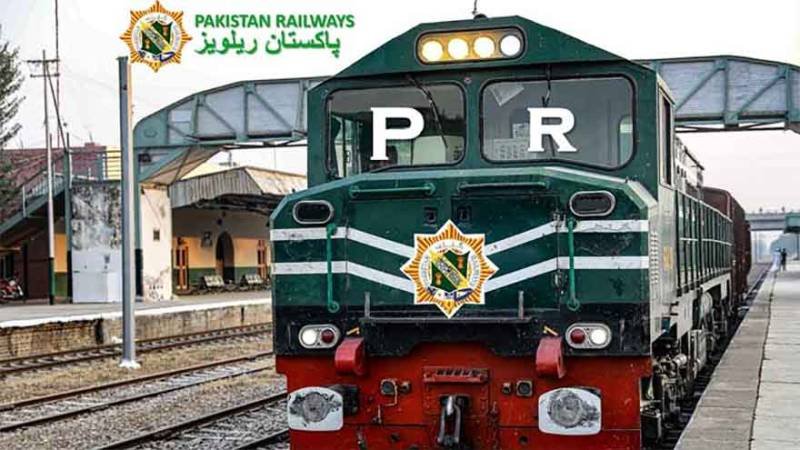

Pakistan is preparing to begin construction on the first phase of the long-awaited Main Line-1 (ML-1) railway project next year, marking a significant step in the country’s transport and infrastructure development plans.
The project forms one of the largest railway modernization initiatives under the China-Pakistan Economic Corridor (CPEC). Once completed, the upgraded rail network aims to strengthen connectivity, improve transport efficiency, and support long-term economic activity across the country.
At the same time, the government has outlined additional infrastructure projects planned for the new fiscal year.
First Phase of ML-1 Project to Begin Next Year
Planning Minister Ahsan Iqbal announced that work on the first phase of the ML-1 railway project is expected to begin early next year.
According to the plan, construction will start from the Rohri–Karachi section of the railway corridor.
The initial phase will receive financial support from the Asian Development Bank (ADB), which has committed approximately $2 billion for implementation.
Meanwhile, the full railway modernization project is estimated to cost nearly $10 billion.
What the ML-1 Railway Project Includes
The ML-1 project involves the complete upgrade of Pakistan’s main railway corridor stretching from Peshawar to Karachi.
The railway line extends approximately 1,680 kilometers and serves as one of the country’s most important transport routes.
Once upgraded, the project is expected to improve operational efficiency and strengthen national connectivity.
Moreover, the railway development forms part of broader infrastructure cooperation under CPEC.
The project has remained a major priority due to its potential impact on trade and transport movement.
Government Announces Additional Transport Projects
Alongside the railway upgrade, the government also plans to launch several major road infrastructure projects during the new fiscal year.
These projects include expansion work on the Karachi–Hyderabad M-9 Motorway.
Authorities will also move ahead with development on the Sukkur–Hyderabad–Karachi M-6 Motorway.
In addition, work is expected to begin on the Chaman–Quetta–Karachi Highway.
These projects aim to improve movement across key economic corridors while supporting future connectivity demands.
Karakoram Highway-II Project Also Planned
The government further announced the launch of the Karakoram Highway-II project.
The initiative will replace nearly 100 kilometers of the existing highway.
This section is expected to be affected by the construction of the Diamer-Bhasha Dam.
As a result, authorities intend to maintain uninterrupted trade connectivity between Pakistan and China.
The project highlights continued focus on preserving strategic transport links while supporting national infrastructure goals.
Social Sector to Receive Additional Attention
Beyond physical infrastructure, the government plans to coordinate with provincial administrations on broader development priorities.
Officials intend to treat the social sector as a national development emergency.
Key areas of focus include child nutrition, healthcare, education, and efforts aimed at eliminating Hepatitis C.
According to the announced plan, progress in these sectors will remain a priority over the next three to four years.
A Major Infrastructure Push Begins
The planned launch of the ML-1 railway project represents an important milestone in Pakistan’s broader development strategy.
With financing secured for the initial phase and additional transport projects in the pipeline, the government aims to improve connectivity and support economic growth.
If implemented according to schedule, these initiatives could reshape Pakistan’s transport network while strengthening long-term infrastructure capacity.

