
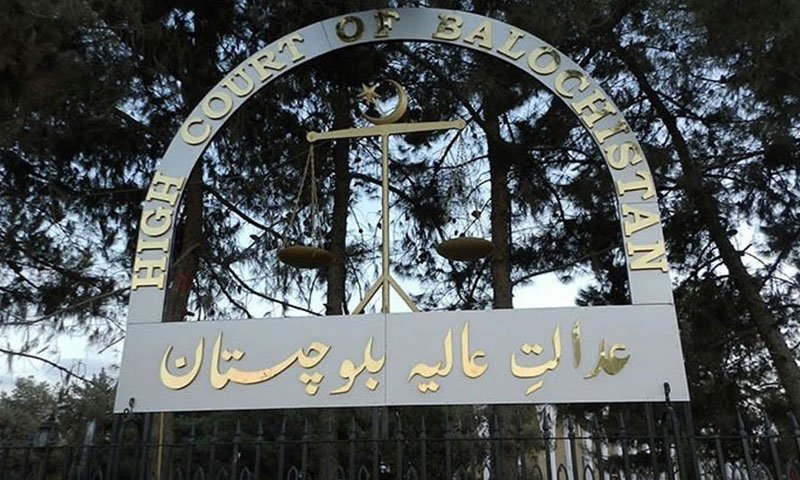

The Balochistan High Court has dismissed a petition filed by Afghan medical students seeking permission to continue their medical and dental education and postgraduate training in Pakistan.
A division bench comprising Justice Muhammad Aamir Nawaz Rana and Justice Abdul Qayyum Lehri issued the ruling in Constitutional Petition No. 1334 of 2026. The court concluded that foreign nationals do not have an unrestricted right to remain in Pakistan for educational purposes against prevailing government policy.
Court Upholds Government Authority on Immigration Matters
In its decision, the bench observed that issues related to immigration, repatriation of foreign nationals, and national security fall primarily within the executive’s authority. Therefore, such matters remain subject to government policy and administrative decisions.
The court held that foreign nationals do not possess an indefeasible right to continue studies or professional training in Pakistan. It further noted that constitutional petitions cannot automatically override state policies governing residence and immigration.
According to the judgment, decisions concerning the stay, repatriation, and immigration status of Afghan citizens remain within the government’s jurisdiction. Consequently, these matters are not enforceable as automatic rights through constitutional proceedings.
Students Advised to Seek Embassy Assistance
The bench acknowledged that Afghan nationals are entitled to humane treatment, dignity, and due process under the law. However, it clarified that these protections do not grant an unrestricted right to remain in Pakistan or continue education contrary to official policy.
The court also emphasized that legal safeguards for foreign nationals must be interpreted within the framework of existing laws and government regulations. As a result, the petitioners could not rely on those protections to secure continued educational status.
Furthermore, the court directed the affected students to approach the Afghan Embassy to seek redress for their concerns. The judges suggested that diplomatic channels may provide an appropriate avenue for addressing their grievances.
After reviewing the arguments and legal position, the bench dismissed the petition in limine, bringing the matter to a close.
For the latest updates, visit and follow The Truth International website (www.thetruthinternational.com) and subscribe to the YouTube Channel.

