
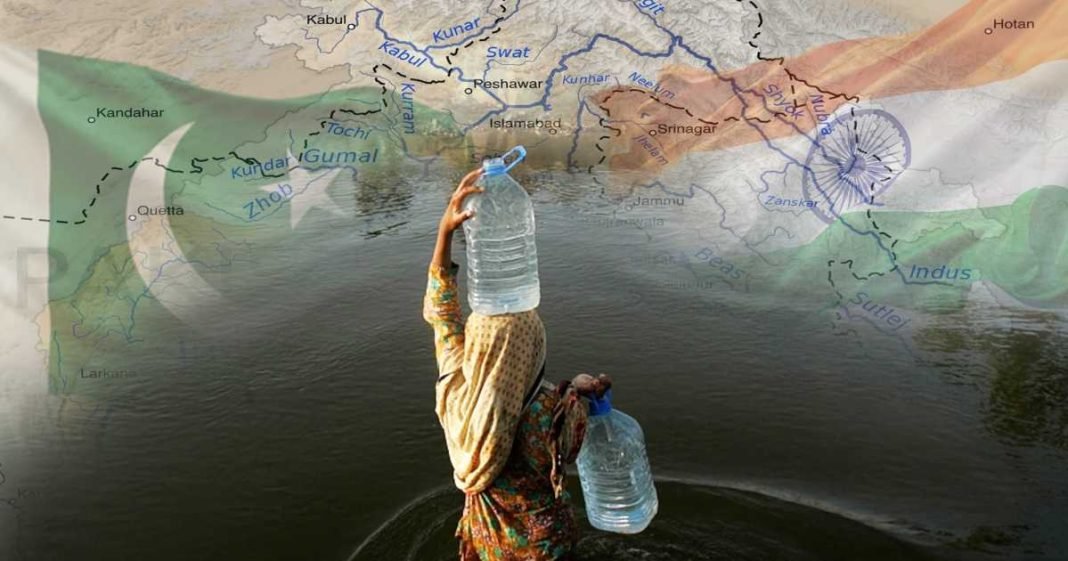

Pakistan continues working alone to keep the Indus Waters Treaty operational despite India’s decision to suspend its obligations. Officials described the treaty as vital for national security and regional stability.
Speaking at an international seminar in Islamabad, Pakistan’s Commissioner for Indus Waters, Syed Mehr Ali Shah, stressed the treaty’s importance. He said more than 240 million people depend on the Indus basin. Additionally, over 80 percent of Pakistan’s arable land relies on its waters.
Shah revealed he sent another letter to his Indian counterpart over unusual Chenab River flow fluctuations. He said the latest communication marked his fourth letter since last year. However, Indian authorities have not responded to any correspondence.
Furthermore, Pakistan has continued sharing technical data and requested meetings, inspections, and project details. It also sought consultations under Article 9 of the treaty. Nevertheless, India has not answered these requests.
Pakistan Raises Concerns Over Chenab River Flows
Shah warned that unpredictable Chenab flows now pose a strategic risk. Without operational data, Pakistan cannot determine whether natural conditions or upstream reservoir operations caused the fluctuations.
He also claimed India reopened low-level outlets at the Marala Barrage. According to Shah, this allows repeated emptying and refilling of reservoirs, potentially affecting downstream water availability.
Shah further raised concerns over the proposed Chenab-Beas link project. He said the project could divert 1.9 million acre-feet of water from the Chenab, which Pakistan considers its allocated river.
Treaty Faces Growing Diplomatic Challenges
Meanwhile, Chenab flow variations have continued since India suspended treaty obligations in April last year. New Delhi took the step after an attack in Indian-administered Kashmir, blaming Pakistan without publicly presenting evidence.
Since then, Indian officials have stated their intention to stop water flowing into Pakistan. Consequently, tensions over the decades-old agreement have continued rising. Pakistan maintains that the treaty remains legally binding and continues seeking dialogue through its established mechanisms.

