
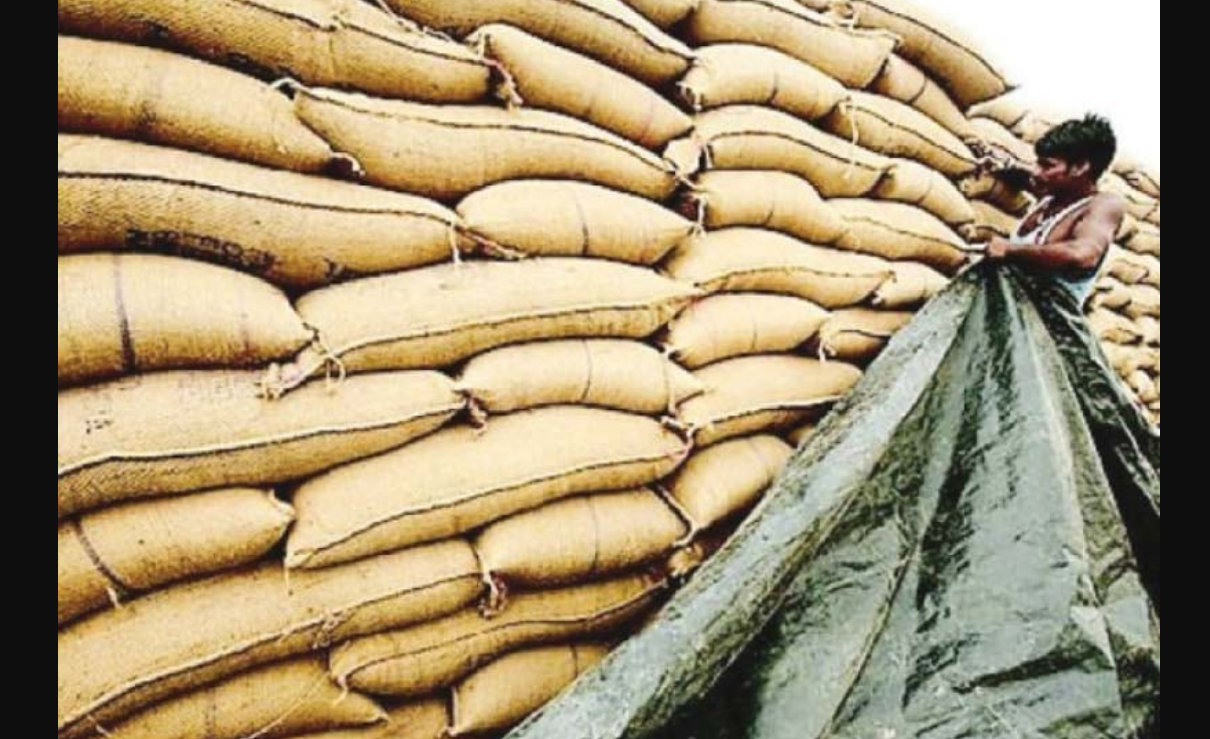

Government Pushes for Market-Based Food Pricing System
Pakistan is preparing major reforms in the wheat and sugar sectors by reducing direct government intervention in pricing and procurement. Officials say the move is part of broader economic reforms designed to improve market efficiency, encourage private investment, and reduce financial pressure on the state.
Under the proposed framework, authorities want market forces to play a larger role in determining wheat and sugar prices across the country. Policymakers believe reducing state involvement will strengthen price discovery mechanisms and help create a more competitive agricultural market.
The reforms come at a time when global food prices remain highly volatile. Economic planners argue that artificial price controls and heavy government intervention have distorted local markets for years, limiting private sector participation and reducing long-term productivity.
Officials say transitioning toward market-based pricing could improve transparency and help align domestic agricultural markets with international trade standards.
The policy changes are also linked to Pakistan’s broader economic restructuring efforts aimed at improving fiscal discipline and encouraging sustainable growth across key industries.
Private Sector Expected to Take Larger Role in Wheat Procurement
One of the biggest proposed changes involves the wheat sector. Under the new framework, strategic wheat reserves will still remain under government oversight to ensure food security during emergencies. However, procurement activities will increasingly shift toward the private sector.
Authorities plan to allow private companies to purchase wheat at prices aligned with international market trends. Government wheat releases would only occur during officially declared emergency situations instead of regular market intervention.
Experts say this approach could reduce the financial burden created by large-scale state procurement and storage operations. Government-backed wheat buying programs have historically required massive subsidies and logistical support.
Supporters of the reforms believe private sector participation may improve supply chain efficiency and reduce wastage. Competitive procurement systems could also encourage farmers to respond more directly to market demand and international price movements.
However, some analysts warn that reducing state involvement too quickly could expose consumers and farmers to sudden price fluctuations. Concerns remain about affordability, especially for lower-income households already affected by inflation and rising food costs.
Agricultural economists say careful implementation will be necessary to balance free market competition with food security and consumer protection.
New Sugar Policy Aims to Remove Restrictions and Boost Competition
In the sugar sector, federal and provincial governments are working on a new national sugar policy expected to be finalized by June 2026. The proposed policy includes several major structural changes aimed at liberalizing the industry.
Officials plan to remove zoning and licensing restrictions that currently regulate sugar mills and production areas. The reforms also propose ending administered pricing systems for both sugarcane and refined sugar.
Authorities say import and export controls would also be eased under transparent and phased implementation rules. The goal is to create a more open and competitive market environment that encourages investment and operational efficiency.
Industry experts believe the sugar sector reforms could improve productivity and reduce long-standing market distortions caused by heavy regulation. The government hopes increased competition will strengthen the industry while reducing fiscal pressure linked to subsidies and administrative controls.
The reforms are expected to significantly reshape Pakistan’s agricultural economy in the coming years. Policymakers say the transition toward market-based systems is necessary to improve efficiency, attract investment, and modernize the country’s food supply sectors.
The success of the reforms will largely depend on implementation, regulatory oversight, and the government’s ability to manage potential risks linked to price volatility and public concerns over food affordability.

