

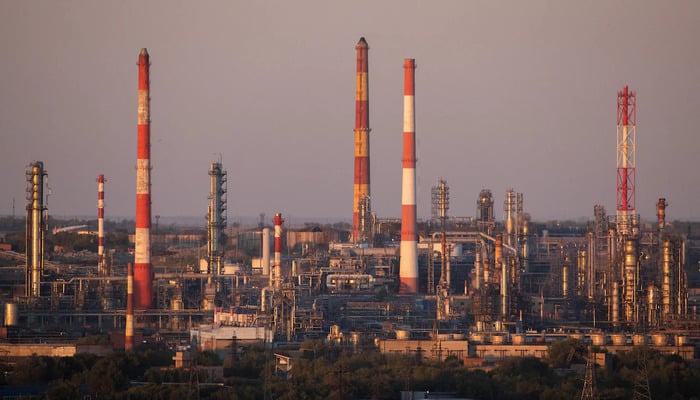
Pakistan’s oil refineries faced heavy financial losses in April as new diesel pricing rules created serious pressure on their margins. Industry officials claim that government-imposed caps on profits ignore real costs and push the sector toward unsustainable operations.
The four major refineries together reported around Rs24 billion in losses during the month. Weekly figures showed consistent red ink, with losses reaching Rs8.5 billion in one week alone. This sharp decline comes after the sector enjoyed its first profit-making period in nearly five years during the first nine months of the fiscal year. For example, Pakistan Refinery Limited earned nearly Rs10 billion in March but saw profits drop to just Rs0.5 billion in April.
Margin Cap Sparks Dispute with Government
Refineries had agreed to a new pricing formula that links diesel prices to imported crude. However, they now accuse authorities of applying an artificial cap on the diesel crack spread at $41.5 per barrel. Industry sources argue that this figure does not reflect actual expenses, including high freight charges, premiums, and war risk insurance due to regional tensions.
Additionally, a 5% customs duty on crude imports further squeezes margins. Refineries recover only a small portion of this extra cost. In reality, market data shows the true crack spread reached nearly $60 per barrel at the end of April, yet refineries receive compensation based on the lower capped rate.
Refineries Call for Fair Support
Petrol margins stay low while furnace oil produces negative returns, adding to the overall burden. A sales tax exemption in the budget also costs the sector billions annually. Refinery officials note that they chose to support domestic consumers by keeping prices lower instead of exporting diesel for higher profits. They contributed Rs7.1 billion from March earnings to help Pakistan State Oil manage its own losses.
Federal Minister Ali Pervaiz Malik stated that the new formula has IMF backing. He added that the government is working to support refinery upgrades and offset losses from the sales tax measure.
Experts stress that refineries play a vital role in national energy security. They kept fuel supplies running smoothly during recent global uncertainties. Without policy adjustments, industry leaders warn that sustained losses could threaten long-term operations and future investments in the sector.

