

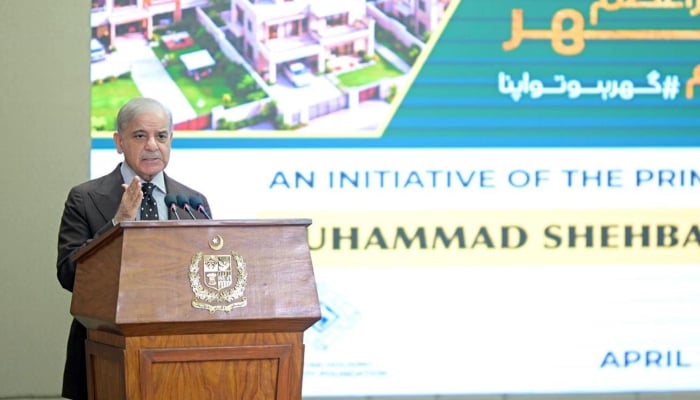
Prime Minister Shehbaz Sharif launched the ambitious Apna Ghar Programme on Thursday to provide housing finance to low-income citizens across Pakistan. The Rs3.2 trillion initiative aims to support the construction of 500,000 housing units over five years. However, experts warn that the scheme may run into a serious constitutional blockade.
The government plans to offer loans of up to Rs10 million with a 20-year repayment period. Officials allocated Rs321 billion in the first year to finance 50,000 units. Yet this interest-based model directly conflicts with the constitutional deadline to eliminate riba from Pakistan’s financial system by January 1, 2028.
Interest-Based Loans Clash with Riba Deadline
The programme extends fresh interest-based lending well beyond the 2028 cutoff. Moreover, the long repayment terms mean that loans issued near or after the deadline will continue collecting interest for decades. Sources familiar with the matter told The News that planners did not fully consider this constitutional requirement.
The scheme offers a fixed 5% markup for the first 10 years, after which market rates apply. This structure not only maintains but actually expands interest-based financing at a time when the Constitution requires the state to phase it out completely. Legal observers believe this approach raises questions about compliance with both the letter and spirit of the law.
Government Pushes Housing Initiative Nationwide
Prime Minister Shehbaz Sharif described the programme as a sacred obligation that will drive economic growth and create jobs in the construction sector. He addressed senior officials, bankers, and industry leaders at the launch event in Islamabad. The scheme targets plots up to 10 marlas and will operate across all provinces, including Azad Jammu and Kashmir and Gilgit-Baltistan.
Information Minister Attaullah Tarrar could not comment when contacted about the constitutional concerns. Sources suggest that authorities must restructure such programmes on interest-free or Shariah-compliant models to avoid legal challenges as the 2028 deadline draws closer.
This housing push comes as the government seeks to stimulate the economy and help citizens build their own homes, but the riba issue now casts a shadow over its long-term implementation.

