
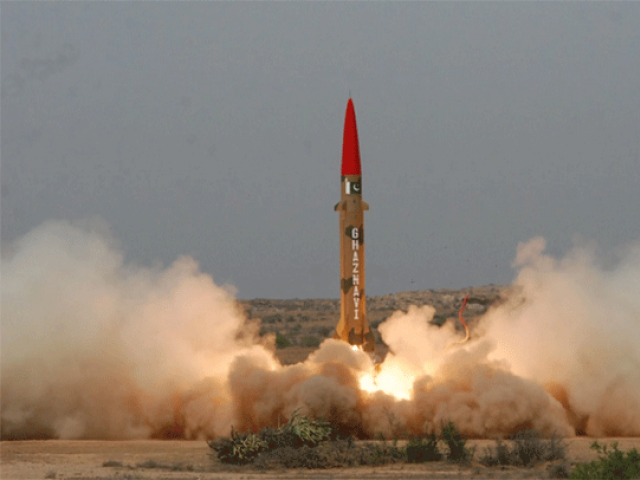

Pakistan remains among the world’s leading arms importers and nuclear powers. The findings appear in the latest SIPRI Yearbook 2026.
Global Security Risks Continue to Increase
The Stockholm International Peace Research Institute highlighted rising global military spending. Additionally, the report pointed to growing geopolitical tensions and expanding nuclear arsenals.
According to SIPRI, the international security environment has become increasingly unstable. The report cited intensifying competition among major powers and rising interstate conflicts. Furthermore, military expenditures reached record levels worldwide during the review period.
The report also examined the military confrontation between Pakistan and India in May 2025. SIPRI identified the conflict as one of six interstate armed conflicts recorded globally. Moreover, the institute described the crisis as a significant regional flashpoint in Asia.
Pakistan Listed Among Leading Arms Importers
SIPRI reported that interstate conflicts doubled from three in 2024 to six in 2025. The report included conflicts involving Pakistan and India, Russia and Ukraine, and Iran and Israel.
One of the report’s key findings concerns Pakistan’s arms imports. According to SIPRI, Pakistan ranked as the fifth-largest importer of major conventional weapons. The country accounted for 4.2 percent of global arms imports between 2021 and 2025.
Only Ukraine, India, Saudi Arabia, and Qatar imported more major weapons systems. Furthermore, SIPRI noted that these five countries collectively represented 35 percent of global arms imports.
The report underscores Pakistan’s continued role in regional security dynamics. At the same time, it highlights broader international concerns regarding military expansion and strategic competition.

