
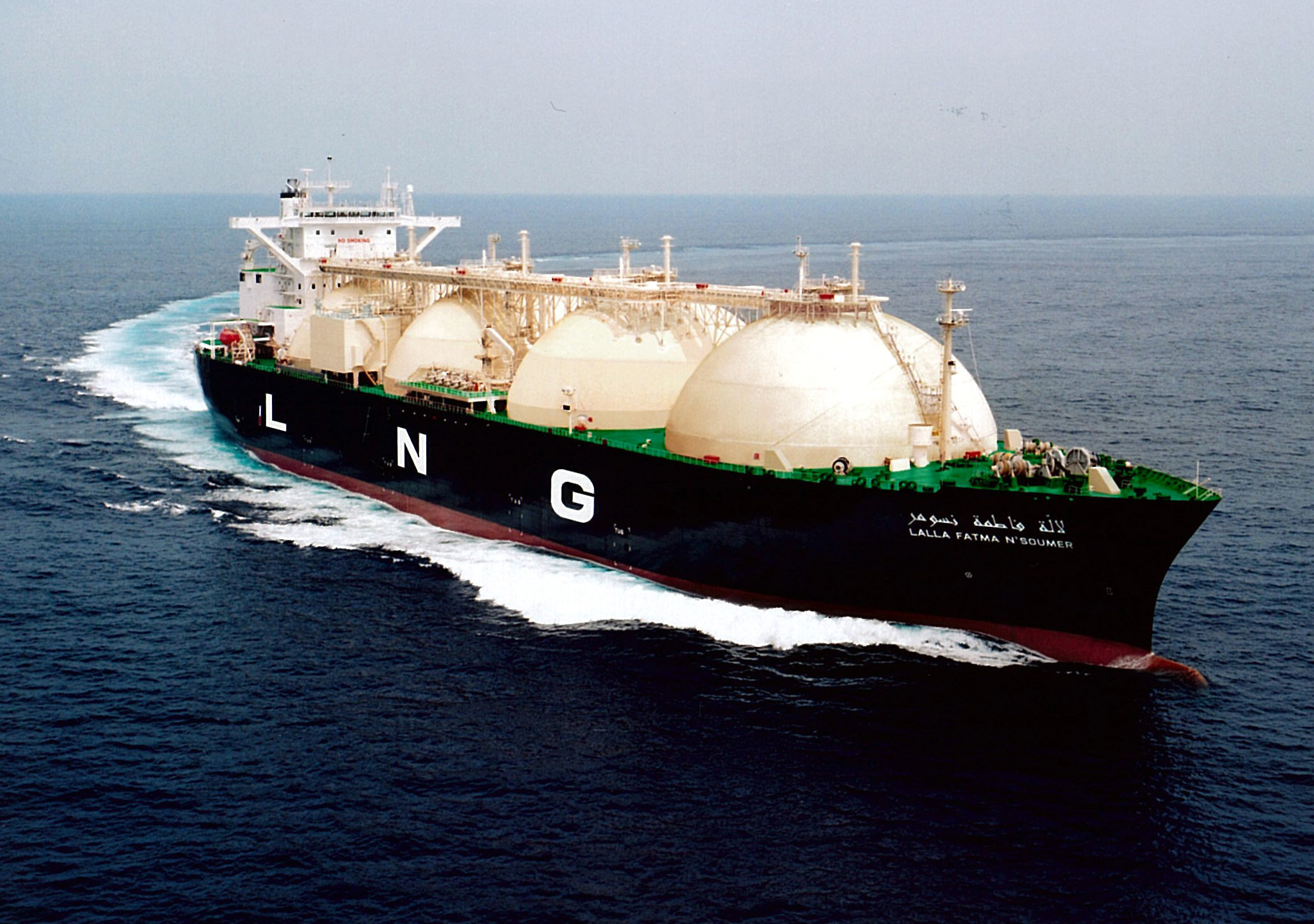

ISLAMABAD: Three liquefied natural gas (LNG) tankers have exited the Strait of Hormuz and resumed transmitting location data after periods of silence, according to ship-tracking information from LSEG and Kpler. The vessels are now heading toward key Asian markets despite ongoing tensions in the Middle East.
Shipping Activity Continues Despite Regional Uncertainty
The development comes as military tensions between the United States and Iran continue to raise concerns about maritime security in one of the world’s most important energy corridors. Although uncertainty remains high, LNG shipments through the Strait of Hormuz have continued.
According to tracking data, two tankers controlled by QatarEnergy, Lebrethah and Rasheeda, reappeared on ship-tracking systems on June 10 after being last detected west of the strait on June 1 and April 30, respectively.
Lebrethah loaded its cargo at Ras Laffan on May 22 and is currently heading toward Pakistan. Meanwhile, Rasheeda, which has carried a cargo since February 27, is approaching Southeast Asia.
Asian Markets Remain Key LNG Destinations
A third vessel, Marigold, managed by the Abu Dhabi National Oil Company (ADNOC), also reappeared on tracking systems on June 10. The tanker was last observed east of the Strait of Hormuz on May 1 while travelling without cargo.
Subsequently, Marigold loaded LNG from Das Island on May 25 and is now indicating India as its destination.
Neither ADNOC nor QatarEnergy immediately commented on the vessel movements.
The latest tanker movements highlight the continued importance of Asian markets for Gulf energy exports. They also demonstrate that LNG shipments are still moving through the strategic waterway despite heightened geopolitical risks.
According to available ship-tracking data, a total of 12 LNG cargoes, including Lebrethah, Rasheeda and Marigold, have exited the Strait of Hormuz since the conflict began earlier this year, underscoring the resilience of regional energy supply chains.
Meta Description: Three LNG tankers reappear after Hormuz transit, heading to Pakistan, India and Southeast Asia despite regional tensions.

