
Vehicle Financing Jumps 38 Percent in One Year
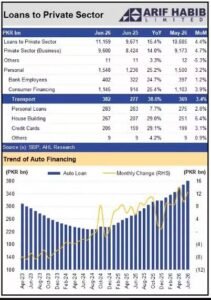
Auto financing in Pakistan reached an all-time high of Rs382 billion in June 2026 as consumers increasingly relied on bank loans to purchase vehicles.
According to an analysis by Arif Habib Limited, outstanding auto loans increased by 38 percent from Rs277 billion in June 2025. The financing portfolio also rose by 3.4 percent from Rs369 billion in May 2026.
The June figure surpassed the previous record set only one month earlier. It reflects the total unpaid balance of vehicle loans held by banks rather than Rs382 billion in completely new loans issued during June.
The latest increase continues a strong recovery in automobile financing. Outstanding vehicle loans had fallen to around Rs225 billion in 2024 after high interest rates and tighter lending conditions reduced demand.
The portfolio has since expanded by nearly 70 percent from that low point. The recovery suggests that more consumers are returning to bank financing as borrowing conditions improve and automobile availability increases.
However, the sharp rise also means households are taking on greater monthly repayment obligations. Future demand will remain sensitive to interest rates, vehicle prices, fuel costs and household income.
Consumer and Business Lending Record Strong Growth
The rise in car loans formed part of a wider expansion in private-sector credit.
Total loans to Pakistan’s private sector reached Rs11.16 trillion in June. This was 15.4 percent higher than the Rs9.67 trillion recorded one year earlier.
Private-sector lending also increased by 4.4 percent compared with May, showing that credit growth accelerated during the final month of the financial year.
Business lending remained the largest part of private credit. Outstanding loans to companies increased to Rs9.60 trillion, rising 14 percent year-on-year and 4.7 percent on a monthly basis.
Consumer financing recorded even faster growth. Total outstanding consumer loans climbed by 25.4 percent from the previous year to Rs1.15 trillion.
Personal loans increased by 7.7 percent to Rs283 billion. Housing finance rose by 29 percent to Rs267 billion, while outstanding credit-card balances increased by 29.1 percent to Rs205 billion.
The figures indicate stronger demand for financing across several household categories. Consumers are borrowing more for vehicles, homes, personal expenses and credit-card spending.
Auto loans accounted for approximately one-third of total consumer financing in June, making vehicles one of the largest areas of household borrowing.
Automobile Production Supports Financing Recovery
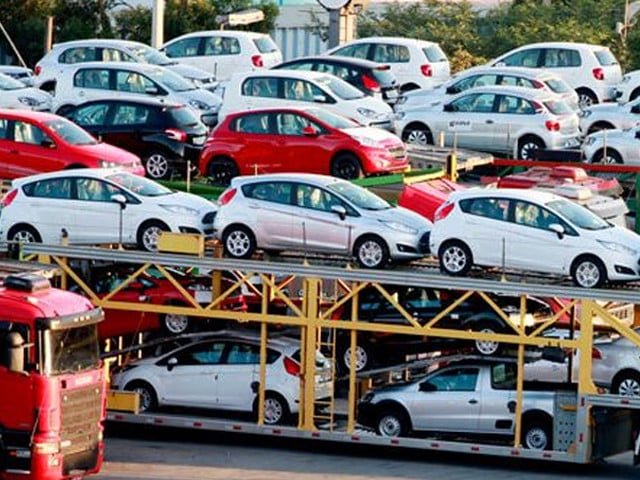
The record level of auto financing comes as Pakistan’s automobile industry experiences a major production recovery.
Official data from the Pakistan Bureau of Statistics showed that automobile output increased by 58.82 percent during the first 11 months of the 2025-26 financial year compared with the same period a year earlier.
Automobile production also rose by 20.81 percent in May compared with May 2025. The sector contributed significantly to the overall 5.77 percent growth recorded by large-scale manufacturing during July-May.
Higher production has improved the availability of vehicles after the industry faced import restrictions, supply shortages and weak demand in previous years.
More available vehicles, improving consumer confidence and easier financing conditions have helped revive both vehicle sales and bank lending.
Banks may also be showing greater willingness to finance car purchases as economic conditions stabilise. However, borrowers still have to meet income, debt-burden and down-payment requirements.
Auto financing remains regulated by the State Bank of Pakistan. Lending rules cover matters such as maximum repayment periods, borrower eligibility and financing limits.
Record Loans Signal Recovery but Carry Financial Risks
The increase to Rs382 billion represents a major turnaround for Pakistan’s car market.
For automobile manufacturers and dealers, rising financing can support sales and production. It may also encourage investment in local assembly and related industries.
For banks, vehicle loans provide another source of consumer lending income. However, rapid credit growth can create risks if borrowers struggle to make repayments.
Monthly instalments may become difficult to manage if interest rates rise, employment weakens or living costs increase.
Consumers should therefore compare interest rates, insurance costs, processing charges and total repayment amounts before obtaining vehicle financing.
The sustainability of the current growth will depend on stable economic conditions, affordable financing and continued improvement in automobile production.
For now, the record Rs382 billion portfolio shows that Pakistan’s auto-financing market has moved decisively beyond its 2024 slowdown and entered a new period of expansion.