
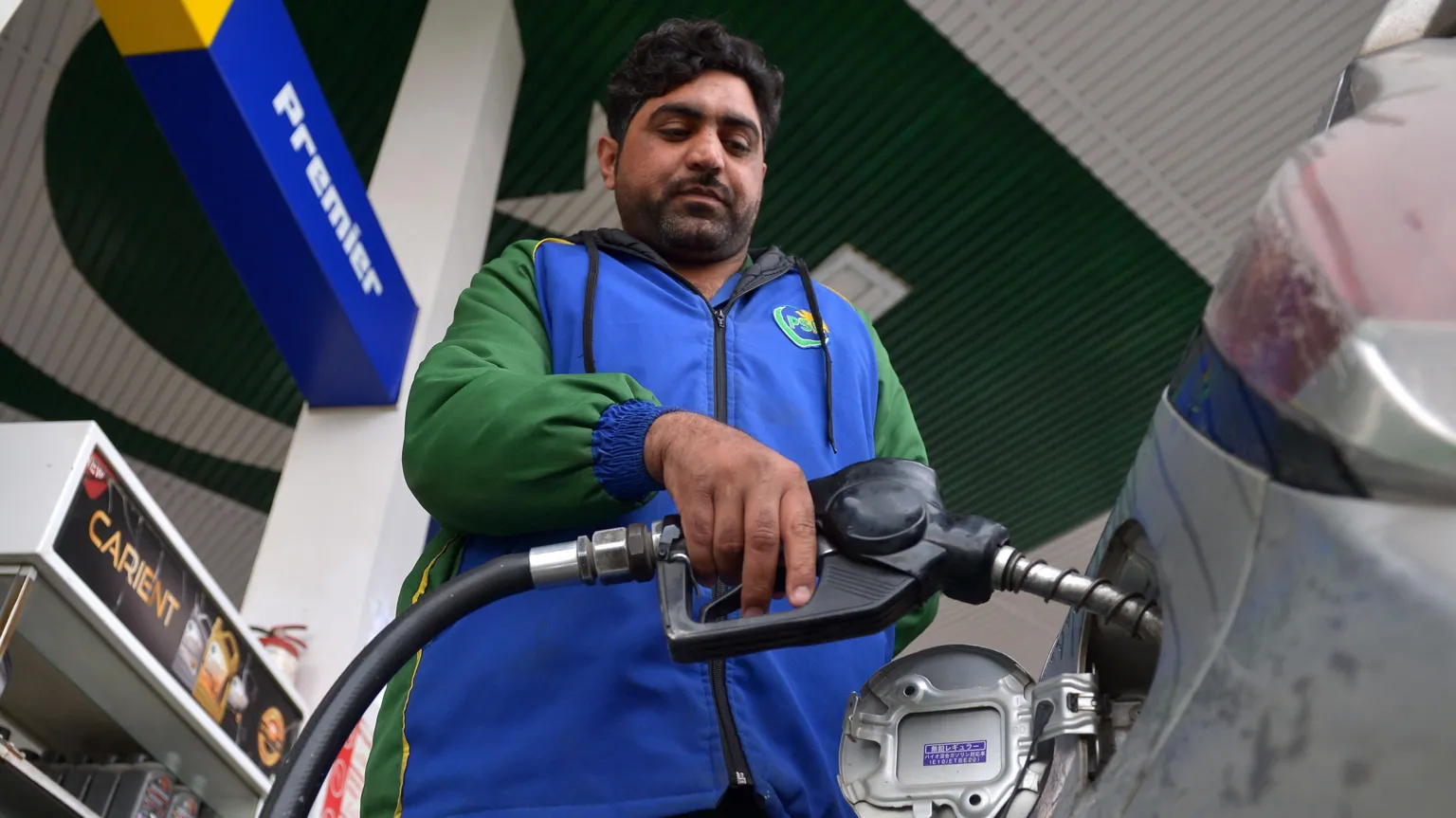

Strait of Hormuz Reopening Eases Energy Supply Concerns
Global oil prices declined sharply on Monday after Pakistan announced a framework agreement aimed at ending the conflict between the United States and Iran, raising hopes for the reopening of the strategically vital Strait of Hormuz.
Brent crude, the international oil benchmark, fell 4.3 percent to $83.55 per barrel, while US crude dropped 4.9 percent to $80.74 per barrel. The decline followed statements from Pakistani Prime Minister Shehbaz Sharif, who said an official signing ceremony for the agreement would take place in Switzerland on June 19.
Meanwhile, Iranian Deputy Foreign Minister Kazem Gharibabadi confirmed on state television that a deal with Washington had been finalized. US President Donald Trump also welcomed the development, posting on social media that oil should begin flowing again.
The Strait of Hormuz has remained largely closed since the conflict escalated after US and Israeli strikes on Iran in February. During the crisis, Tehran repeatedly threatened vessels operating through the key shipping corridor, which normally handles nearly 20 percent of global oil and liquefied natural gas exports.
Experts Warn Recovery May Take Time
Despite market optimism, analysts cautioned that uncertainty remains due to the limited details released about the agreement. Energy market experts noted that restoring normal shipping operations could take weeks or even months.
Industry specialists said naval mines must first be cleared from the waterway, while a backlog of oil tankers waiting to transit the strait may further delay a full recovery. Additionally, oil production facilities and export terminals will require time to return to pre-conflict operating levels.
Asian Markets Rally on Positive Developments
Investor confidence strengthened across Asia as stock markets reacted positively to the breakthrough. Japan’s Nikkei 225 surged 4.7 percent, while South Korea’s Kospi gained more than 5.2 percent.
Market participants believe lower energy prices could ease inflationary pressures globally, particularly in Asia, where many economies rely heavily on Middle Eastern oil and natural gas supplies.

