
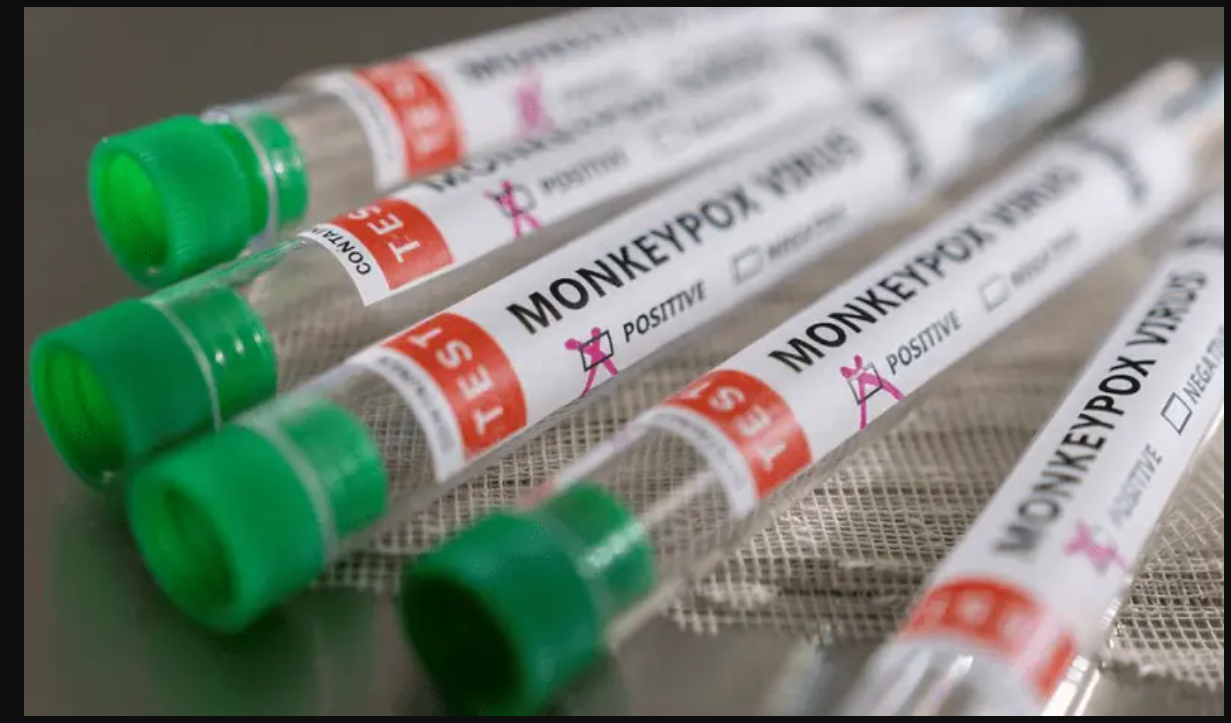

Health officials in Pakistan are increasingly concerned as recent Mpox cases show possible signs of local transmission. The situation suggests the virus may no longer be limited to imported infections linked to international travel.
Khyber Pakhtunkhwa has reported 28 confirmed Mpox cases since August 2024. These include eight cases recorded in 2026 and one reported death.
The pattern of infections has raised concern among health experts. Earlier cases were mostly linked to travel history, especially from Gulf countries. However, newer cases show no clear travel connection in several patients.
Evidence of possible local transmission
A recent confirmed case, reported on April 16, involved a one-and-a-half-month-old infant. Authorities considered it a locally transmitted infection, raising concerns about household or community-level spread.
This case has become a key indicator of potential local transmission. Health officials now believe the virus may be spreading through close contact within families or communities.
Moreover, some recent patients have no identifiable source of infection. This has made tracking transmission chains more difficult for health authorities.
Mpox situation across other provinces
The concern is not limited to one region. Sindh and Punjab have also reported a growing number of cases.
Sindh had recorded 25 confirmed Mpox cases and nine deaths by mid-April. Khairpur has emerged as a major hotspot within the province.
Punjab has also reported dozens of confirmed cases in 2026. Several infections have been detected in Lahore, further increasing concern among public health officials.
As a result, health experts are closely monitoring inter-provincial spread patterns to understand how the virus is circulating.
Shift from imported cases to community spread
Experts note a potential shift in the transmission pattern. Earlier infections were mostly imported through international travel. Now, a growing number of cases suggest local spread after the virus enters households or close-contact environments.
This shift raises the risk of wider community transmission. It also increases pressure on healthcare systems to detect and isolate cases more effectively.
Strengthening of surveillance and response systems
In response to the evolving situation, health authorities have intensified monitoring efforts. The National Institute of Health, along with provincial health departments, is working to improve screening and surveillance systems.
Training programs have also been expanded for healthcare workers. These efforts aim to improve early detection and response to new cases.
International health partners are also supporting preparedness measures. These include strengthening outbreak response capacity and improving diagnostic support across regions.
Public health outlook
While the situation remains under observation, officials continue to stress vigilance. The combination of imported and locally transmitted cases highlights the need for continued monitoring.
Health authorities are focusing on early identification, isolation, and contact tracing. These steps are seen as essential to prevent further spread and control potential outbreaks in affected areas.

