
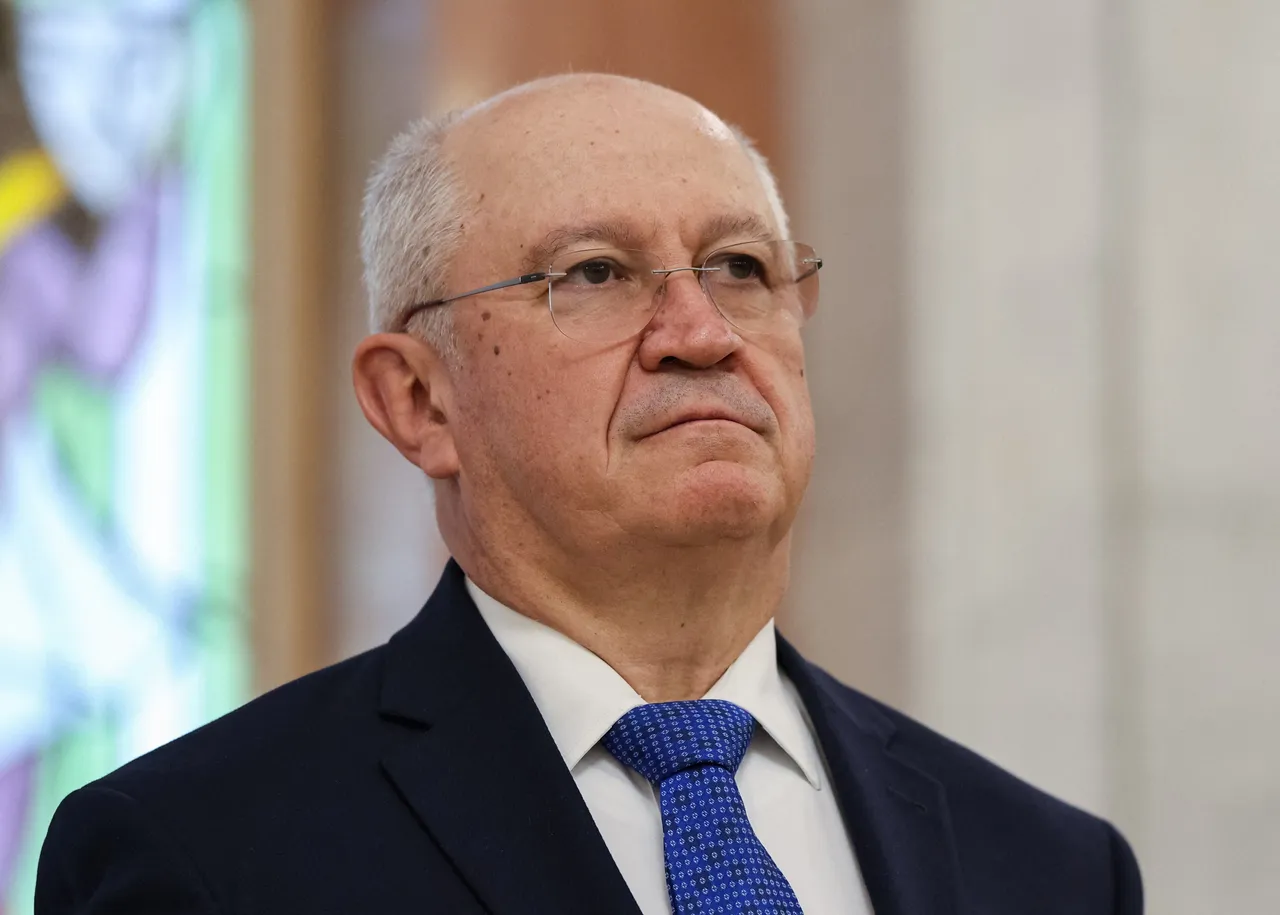

Moldovan Prime Minister Alexandru Munteanu announced his formal resignation on Friday. Consequently, his departure brought down his entire government under the country’s strict constitutional framework. The surprise decision stems directly from growing political fallout surrounding a high-profile corruption scandal. The controversy centers on the state-owned air navigation and air traffic safety company, MoldATSA. Munteanu explained his departure in a statement posted on social media. He emphasized that he could no longer continue in office without severely compromising his personal principles and deep-seated convictions.
Furthermore, Munteanu noted that he initially accepted the leadership role with a firm belief that he could change things for the better. However, he chose to step down the moment he realized he could no longer exercise his mandate effectively. This sudden political exit cuts short his tenure after serving just eight months in office. Meanwhile, President Maia Sandu confirmed that Munteanu will temporarily remain as acting prime minister. He will hold this position until parliament nominates and elects a new head of government.
The MoldATSA Controversy Triggers Systemic Overhaul
The ongoing MoldATSA scandal has severely shaken public trust and triggered a wave of high-level institutional resignations across the country. The crisis escalated rapidly following local investigative media reports. The investigations exposed massive irregularities, including forged credentials by top agency management. Even more damaging were reports regarding astronomically high salaries given to public employees. For instance, reports revealed that one government spokesperson received a monthly remuneration that was nearly four times the president’s salary. Consequently, these financial disclosures provoked massive public outcry.
Therefore, President Maia Sandu promised to initiate an extensive “general cleanup” of state institutions to eliminate widespread governance abuses. She explicitly stated that these financial irregularities are completely incompatible with her administration’s values. At the same time, Moldova’s parliament established a special investigative committee to deeply examine the management of all state-owned companies. The legislative panel will aggressively review recruitment procedures, board compositions, and cases of illegal dual employment. This systemic overhaul remains critical as the former Soviet republic works to protect its official status as a candidate for European Union membership.

