
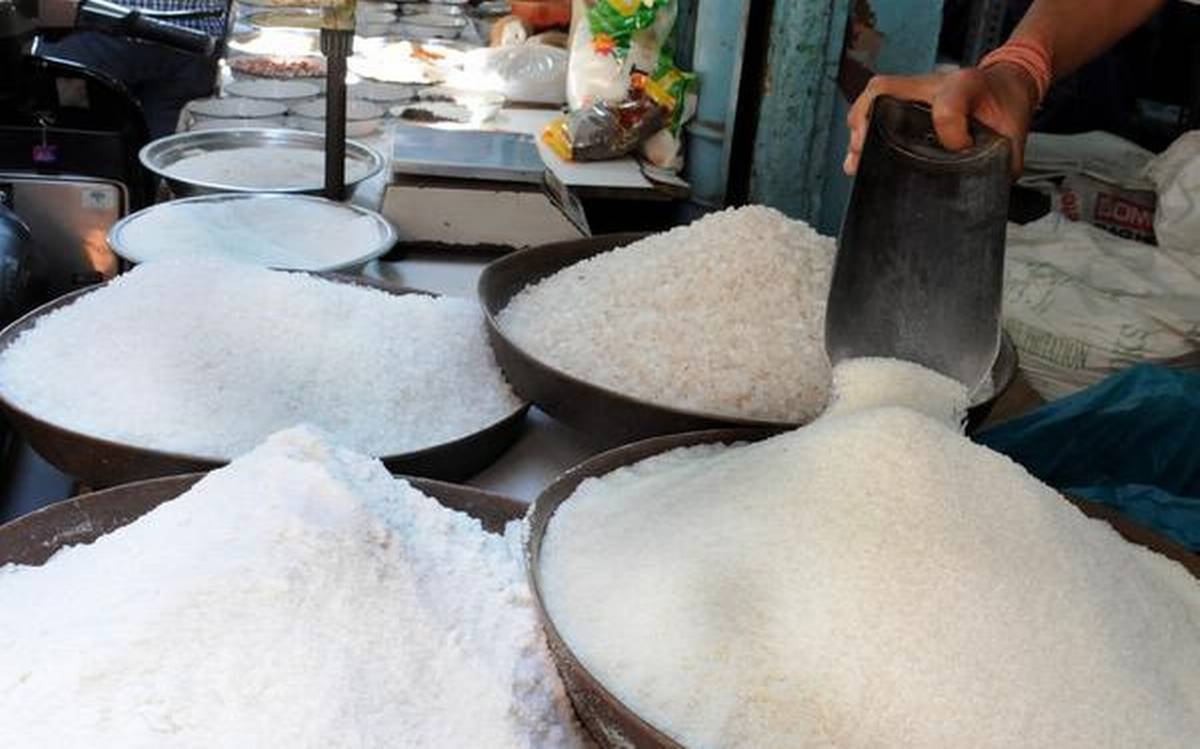

The federal government has approved the export of 108,000 metric tons of imported sugar. Officials said the move will not affect domestic prices. However, opposition leaders criticized the decision and questioned the government’s sugar management policies.
Federal Minister for Food Security Rana Tanveer defended the export decision during a television interview. He stated that Pakistan currently holds sufficient sugar stocks. Moreover, he said authorities want to benefit from favorable international market prices.
Government Defends Export Decision
Rana Tanveer assured consumers that local sugar prices would remain stable. He emphasized that the government carefully reviewed available stocks before granting approval. Furthermore, he said the export would help secure better returns from international markets.
According to the minister, the country has enough reserves to meet domestic demand. Therefore, officials believe the export will not create shortages. The government also expects the move to generate valuable foreign exchange earnings.
Opposition Questions Sugar Policy
Meanwhile, Awam Pakistan Party leader Miftah Ismail strongly criticized the government’s approach. He argued that repeated policy changes have placed unnecessary burdens on citizens. Additionally, he claimed authorities first exported sugar and later imported excessive quantities.
Miftah said ordinary consumers ultimately bear the costs of these decisions. He maintained that policy reversals have created uncertainty within the sugar market. As a result, he urged the government to adopt a more consistent strategy.
The decision follows months of lobbying by the sugar industry for export permission. Industry representatives argued that surplus stocks justified overseas sales. Nevertheless, critics warned that frequent shifts in policy could increase market instability.
Analysts noted that the government aims to capitalize on stronger global prices. However, they cautioned that export, import, and re-export cycles may fuel inflation. Consequently, many observers continue monitoring the potential impact on local consumers and sugar prices.

