
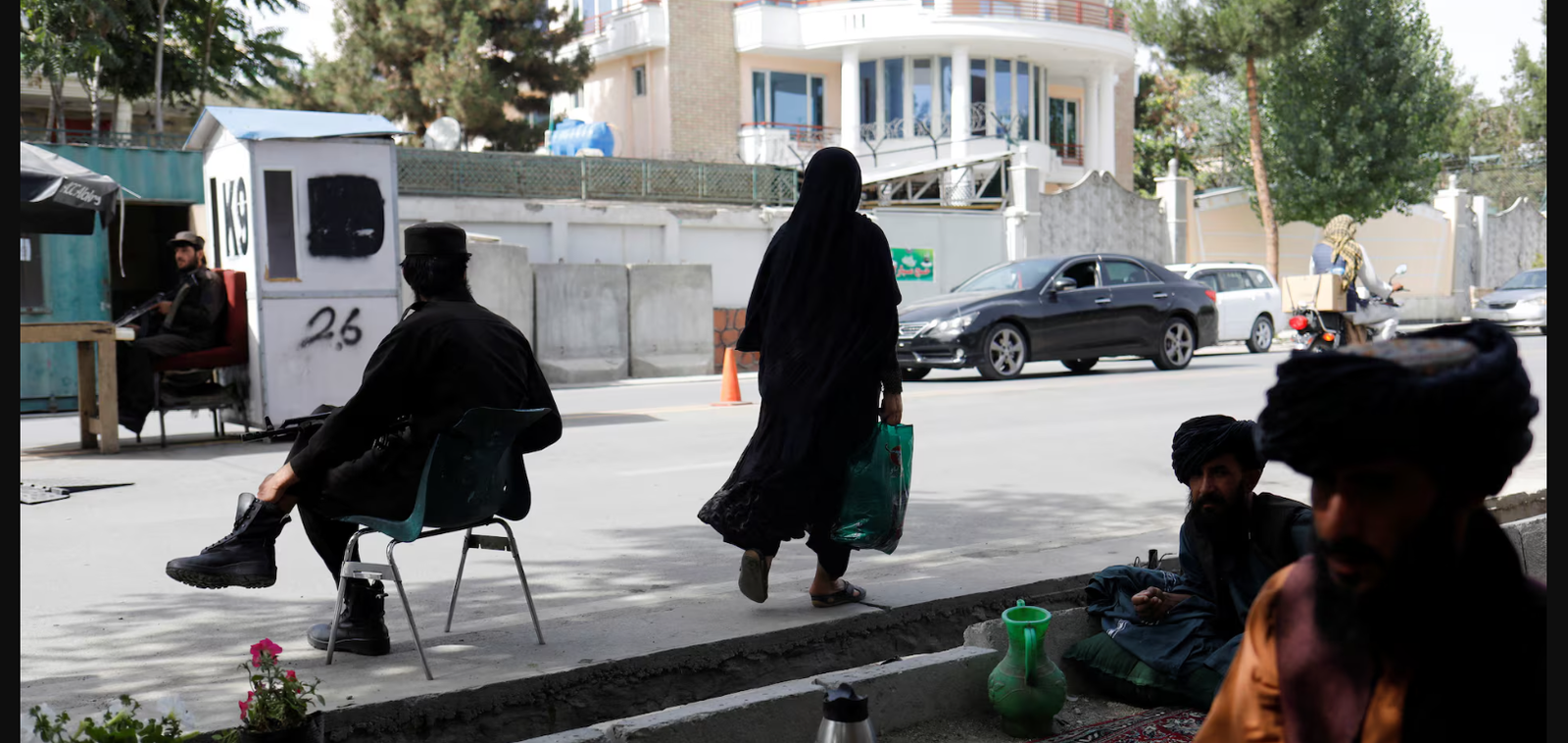

The International Criminal Court (ICC) has revealed more details about arrest warrants issued against two senior Taliban leaders.
The warrants concern the Taliban’s supreme spiritual leader, Haibatullah Akhundzada, and Abdul Hakim Haqqani, the group’s chief justice since 2021. The court had announced the warrants in July 2025, but their precise contents remained sealed until now.
Who Are the Taliban Leaders Named in the Warrants?
The ICC issued the warrants against Haibatullah Akhundzada and Abdul Hakim Haqqani. Akhundzada serves as the Taliban’s supreme spiritual leader, while Haqqani has served as chief justice since 2021.
The court previously said both men faced accusations linked to the alleged persecution of people based on gender. The accusations involve girls, women and others who did not conform to Taliban policies.
What Did ICC Judges Find?
According to details released by the court, judges found that the suspects “implemented a governmental policy that resulted in severe violations of fundamental rights and freedoms of the civilian population of Afghanistan, in connection with acts of murder, imprisonment, torture, rape and enforced disappearance”.
The court said Taliban authorities have imposed strict rules and restrictions across Afghanistan. However, judges found that women and girls faced specific restrictions under these policies.
These restrictions include limits on education, freedom of expression and freedom of movement. As a result, the ICC has linked the alleged conduct to persecution on gender grounds.
Why Were the Arrest Warrants Previously Sealed?
The ICC had confirmed the existence of the arrest warrants in July 2025. However, the court did not initially disclose their precise contents.
The latest information provides greater detail about the findings behind the warrants. Therefore, the disclosure offers more insight into the allegations and the judges’ assessment of the Taliban policies.
Restrictions on Afghan Women and Girls
The ICC’s latest details come as restrictions on Afghan women and girls remain a major international concern. The court specifically highlighted limits on education and movement.
According to UN figures cited in the report, half of Afghan women now leave their homes only once or twice a month. Taliban restrictions have also affected their participation in public life.
Moreover, UN Women says Afghanistan remains the only country where girls face a ban on secondary education. Women are also barred from attending universities under the current restrictions.
What the ICC Disclosure Means
The latest disclosure clarifies the allegations behind the ICC arrest warrants against the two Taliban leaders. It also outlines the judges’ findings concerning alleged violations of fundamental rights in Afghanistan.
Meanwhile, the court’s focus on women and girls highlights the gender-based nature of the allegations. The newly released details provide further context about why the ICC judges issued the warrants in the first place.
For the latest updates, visit and follow The Truth International website (www.thetruthinternational.com) and subscribe to the YouTube Channel.

