
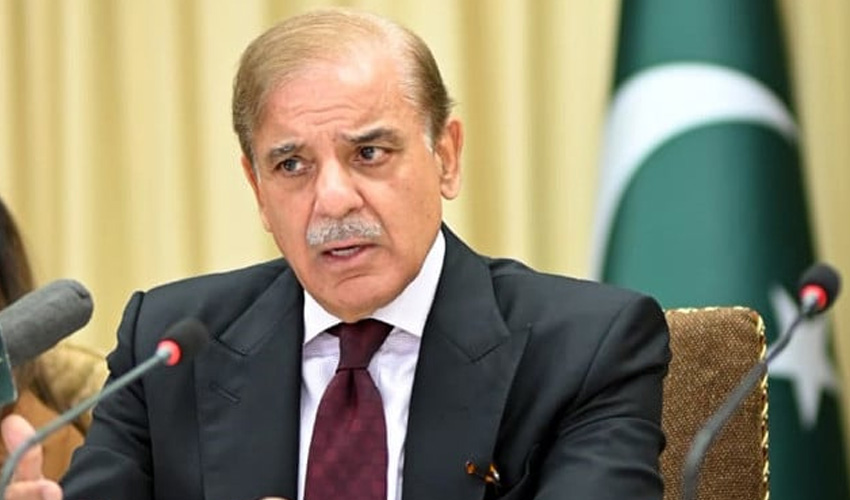

Shehbaz Sharif has warned that the Middle East conflict has damaged Pakistan’s economic gains. He said the progress made over two years now faces serious risks.
While addressing a federal cabinet meeting, he described the situation as extraordinary. He noted that global markets have become highly unstable due to the conflict.
Oil Prices Surge, Import Bill Jumps
The prime minister highlighted a sharp rise in global oil prices. He said Brent crude has climbed to $114.64 per barrel.
As a result, Pakistan’s financial burden has increased significantly. The weekly oil import bill has surged from $300 million to $800 million.
Therefore, these rising costs are directly affecting economic stability efforts. The pressure on foreign reserves has also intensified.
Government Activates Monitoring and Response
Shehbaz said a task force is closely monitoring the evolving situation. It reviews developments daily to guide policy decisions.
Meanwhile, the government has started consultations with provincial authorities. These discussions aim to continue subsidies in key sectors.
Public transport and essential services remain top priorities. These measures seek to shield citizens from rising costs.
Call for Collective Efforts
The prime minister stressed the need for unity. He urged all institutions to work together to address the crisis.
He said efforts must continue day and night. This approach, he added, is necessary to overcome economic challenges.
Debt Repayment and External Support
Despite the crisis, Pakistan has managed to repay $3.5 billion in external debt. This step reflects ongoing financial discipline.
Shehbaz also expressed gratitude to Saudi leadership. Their support has helped Pakistan manage economic pressures.
Pakistan’s Role in Regional Peace Efforts
The prime minister highlighted Pakistan’s diplomatic role. He said the country made sincere efforts to promote regional stability.
Talks between Iran and the United States began in Islamabad on April 11. These negotiations lasted for 21 hours.
He noted that a ceasefire between both sides is currently holding. This development offers some hope amid rising tensions.
Ongoing Engagement With Iran
Shehbaz shared details of continued diplomatic engagement. He referred to discussions with Abbas Araghchi.
“Iran’s Foreign Minister Abbas Araghchi arrived in Pakistan with his team for the second phase of the negotiations. Important meetings were held with them. Before the Iranian foreign minister visited Russia, I spoke with him on the phone, in which he assured me that all his meetings in Oman were held with sincerity of intent, and after consultation with his leadership, Insha’Allah, he will give a positive response soon.”
This statement reflects cautious optimism about future progress.
Hope for Stability and Peace
The prime minister expressed hope that the conflict will end soon. He said lasting peace is essential for regional and economic stability.
He also appreciated Mohsin Naqvi for supporting peace efforts.
A Defining Moment for Pakistan’s Economy
Pakistan now faces a critical test. External shocks continue to challenge its recovery path.
However, the government remains focused on managing the situation. With coordinated efforts, it aims to protect recent gains.
The coming weeks will play a decisive role. Economic resilience and diplomatic success will shape the country’s future direction.

