

Fresh Military Strikes Deepen Regional Crisis
The Middle East has witnessed a sharp escalation in fighting as the United States and Iran exchanged large-scale attacks around the Strait of Hormuz, raising fears of a prolonged regional conflict.
The latest violence marks one of the most significant escalations since the April ceasefire. As military operations intensified, concerns also grew over global energy supplies and regional stability.
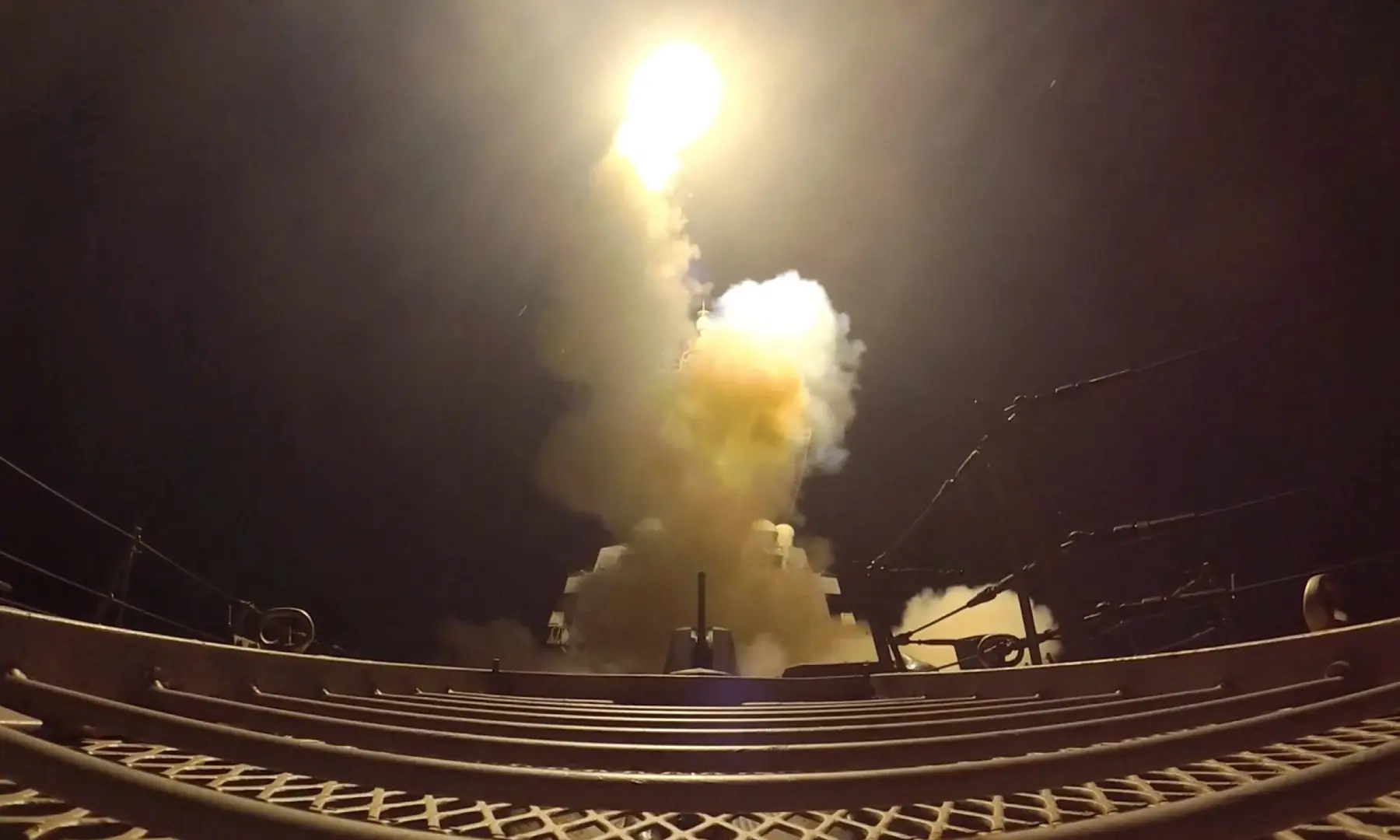
The US Central Command (CENTCOM) confirmed that its forces carried out a new round of strikes on dozens of Iranian military targets.
According to CENTCOM, US aircraft, naval vessels, and drones used precision-guided weapons to target military sites linked to attacks on international shipping in the Strait of Hormuz.
The latest operation followed another wave of strikes conducted less than 24 hours earlier, further increasing pressure on Iran.
Iran Questions Peace Agreement but Continues Talks
Iran responded by warning that it could stop complying with the Islamabad Memorandum of Understanding, which was signed in June to reduce hostilities.
Foreign Ministry spokesperson Esmaeil Baqaei said, “There is no doubt that this document is in crisis.”
He also stated, “Each time that the other party has failed to meet its obligations, we did not uphold ours.”
Despite these remarks, Baqaei confirmed that Iran continues discussions with mediators from Pakistan, Qatar, and Oman to prevent further escalation.
Meanwhile, Pakistan has urged both sides to exercise restraint. Deputy Prime Minister and Foreign Minister Ishaq Dar also called for de-escalation during a phone conversation with Iranian Foreign Minister Abbas Araghchi.
Iran Launches Counterattacks Across Gulf Region
In response to the US strikes, Iran’s Islamic Revolutionary Guard Corps (IRGC) announced missile and drone attacks targeting military sites in Bahrain, Jordan, and Kuwait.
The IRGC claimed it struck Prince Hassan Air Base in Jordan, Sheikh Isa Air Base in Bahrain, and Ali Al Salem and Ahmad Al Jaber military bases in Kuwait.
Authorities in Bahrain activated air raid sirens, while Jordan reported intercepting four Iranian missiles. Kuwait also confirmed that its air defense systems intercepted hostile aerial targets.
Iranian state media also reported that an air defense unit destroyed a US military drone near the port city of Bandar Abbas.
At the time of reporting, US officials had not publicly responded to these claims.
Strait of Hormuz Remains at the Center of Dispute
The Strait of Hormuz has become the focal point of the conflict because it serves as one of the world’s most important oil shipping routes.
Iran maintains that it controls access to the waterway, while the United States insists that international shipping remains free to pass through.
Following recent attacks, Iran stated that continued US military activity had undermined regional security and complicated diplomatic efforts.
The IRGC also warned that ending US military operations in the Strait of Hormuz was necessary to restore normal maritime traffic.
Shipping Slows as Oil Prices Rise
Commercial shipping through the Strait of Hormuz has slowed significantly as security concerns continue to grow.
Shipping data showed that oil and gas tanker traffic dropped to its lowest level in two months. Additionally, several vessels reportedly switched off public tracking systems because of safety concerns.
Some companies also increased ship-to-ship oil transfers outside the Strait to reduce exposure to the conflict.
The uncertainty has affected global energy markets. Oil prices climbed by as much as 4.5 percent, reflecting fears that prolonged instability could disrupt international supplies.
Industry analysts warned that an extended disruption in the Strait of Hormuz could tighten global energy markets and increase transportation costs.
Diplomacy Faces Growing Challenges
Although military operations continue, diplomatic efforts have not completely stopped. Pakistan, Qatar, and Oman remain engaged in mediation to reduce tensions between Washington and Tehran.
Analysts believe that both countries continue seeking stronger negotiating positions before returning to formal talks.
However, the ongoing exchanges of military strikes have made a lasting agreement more difficult to achieve. As fighting continues around the Strait of Hormuz, governments and global markets remain closely focused on developments in one of the world’s most strategically important waterways.

