


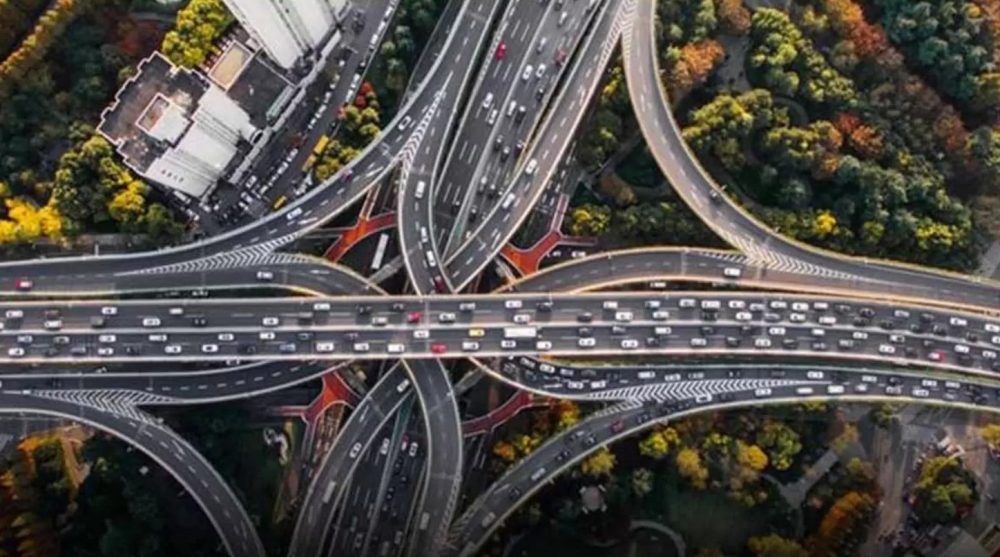
Punjab Chief Minister Maryam Nawaz officially opened the much-awaited signal-free corridor project at Rawalpindi’s busy Kutchery Chowk on Sunday. She renamed the iconic junction as Marka-e-Haq Square and declared it open for public use. Commuters now enjoy smoother travel through one of the city’s most congested traffic points.
The project brings major relief to daily travellers who previously faced long delays at this busy intersection. Officials completed the work ahead of schedule, which delighted local residents and regular users of the route.
Massive Infrastructure Project Eases Daily Traffic Woes
Transitioning from old signals to modern flow, the Rs19 billion Kutchery Chowk Remodeling Project features two flyovers, three underpasses, and a state-of-the-art pedestrian bridge. Provincial Minister for Communications and Works Sohaib Ahmed Bharath briefed the chief minister during her visit. He revealed that the corridor can handle more than 200,000 vehicles every day.
Maryam Nawaz inspected the overhead bridges and surrounding roads after the inauguration. She also reviewed progress on the nearby Annexe Chowk to GPO Chowk signal-free project. The chief minister expressed confidence that this development would transform Rawalpindi’s urban traffic culture and save valuable time for citizens.
New Names Honour Historical Significance
Under the project, authorities named the Kutchery Chowk flyover and underpass as Marka-e-Haq. They designated the Jinnah Park flyover and underpass after Quaid-e-Azam, while the third underpass received the name of Iftikhar Janjua. These namings add a patriotic touch to the infrastructure.
The signal-free corridor connects several important routes in Rawalpindi and significantly reduces congestion. Local drivers already report faster journeys and fewer traffic jams during peak hours. The project also includes improved pedestrian facilities that enhance safety for people crossing the busy area.
This timely completion demonstrates the provincial government’s focus on delivering key infrastructure projects that directly benefit citizens. Residents of Rawalpindi now look forward to even better connectivity as more signal-free corridors take shape across the city.

