
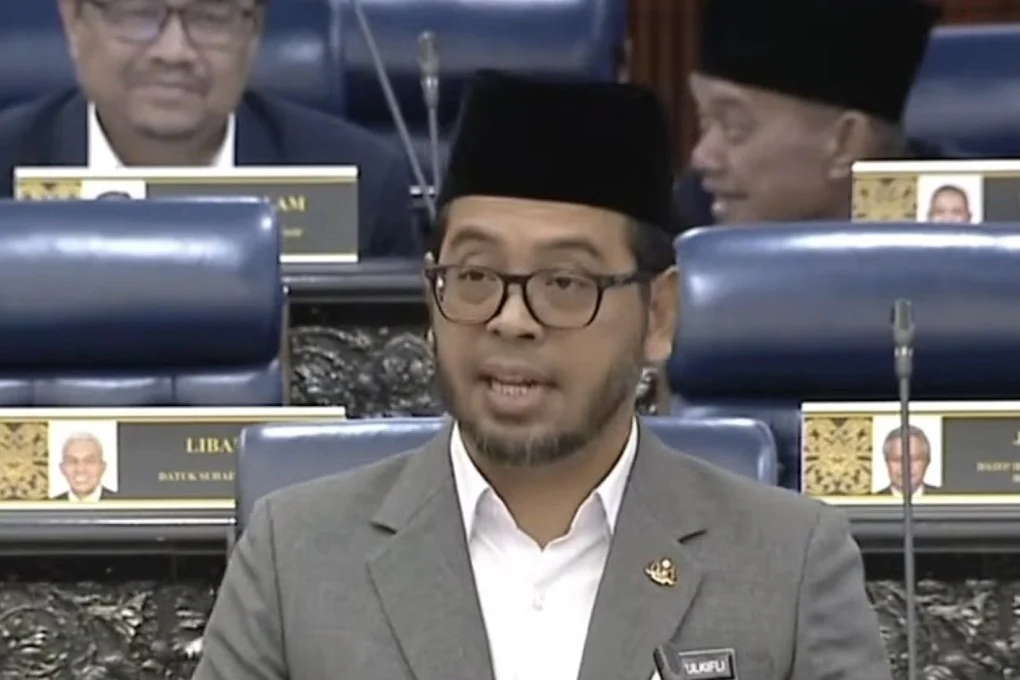

Minister Cites 2017 Study in Parliamentary Response
Malaysia’s Minister for Religious Affairs, Dr Zulkifli Hasan, has faced criticism after linking work-related stress with LGBT-related behaviour.
The minister made the claim in a written response submitted to parliament earlier this year.
He said work pressure, social influences, sexual experiences and limited religious practice may contribute to involvement in what he described as an “LGBT lifestyle.”
Zulkifli referred to a 2017 study by Sulaiman and other researchers. He said the study identified several social and personal factors that could influence LGBT-related behaviour.
The comments were made in response to a question from lawmaker Datuk Siti Zailah Mohd Yusoff.
The lawmaker had requested updated information about LGBT trends in Malaysia. She also asked for data covering age groups, ethnic backgrounds and possible contributing factors.
However, the minister acknowledged that the Malaysian government does not maintain official statistics on the country’s LGBT population.
This means authorities do not have verified national figures showing the number, age distribution or ethnic composition of LGBT people in Malaysia.
Comments Trigger Debate Across Social Media
The minister’s remarks quickly attracted criticism from activists, social media users and groups supporting same-sex relationships.
Critics said the statement could reinforce harmful assumptions about sexual orientation.
Many argued that workplace pressure and religious practice should not be presented as direct causes of a person’s sexual orientation.
Others questioned the use of an older study to make broad claims about a diverse population.
The absence of official government data also raised concerns about the evidence supporting the minister’s response.
Some critics said public officials should rely on updated scientific research when discussing sensitive health and social issues.
Supporters of LGBT rights called for greater awareness and stronger protection against discrimination.
They also warned that unverified claims could increase social pressure on people already facing stigma.
The debate reflects wider disagreements in Malaysia over religion, cultural values, personal identity and legal protections.
Global Health Organisations Reject Illness Classification
Major international medical and mental health organisations do not classify homosexuality as a disease or mental disorder.
The World Health Organization removed homosexuality from its classification of mental disorders in 1990.
The American Psychological Association also describes sexual orientation as part of human diversity.
Medical organisations generally reject the idea that sexual orientation can be explained by a single factor such as work stress, social pressure or lack of religious practice.
They also oppose efforts aimed at changing a person’s sexual orientation through coercive or harmful methods.
Acceptance of same-sex relationships varies widely across the world.
Many Western countries legally recognise same-sex relationships and provide protections against discrimination.
However, several Asian countries maintain strict social, religious or legal restrictions on LGBT communities.
Malaysia remains socially conservative on the issue. Religious and political debates continue to shape official policies and public attitudes.
The minister’s comments have renewed discussion over how governments should address LGBT issues while respecting scientific evidence, religious beliefs and human rights.

