
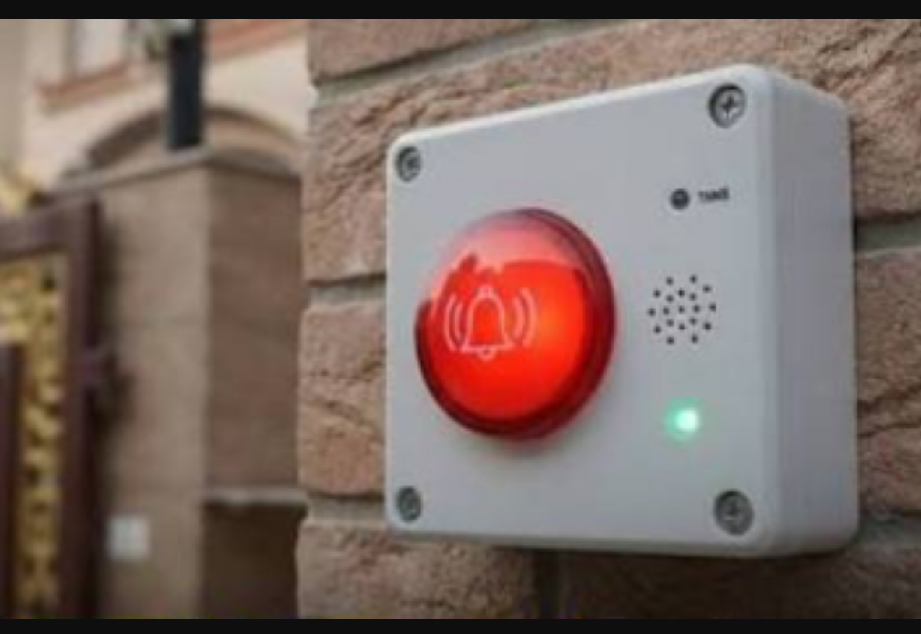

More than 40,000 QR panic buttons have been installed across Lahore’s rickshaws, ride-hailing cabs and public transport vehicles.
The initiative follows special directives from Punjab Chief Minister Maryam Nawaz Sharif. It aims to improve passenger safety while bringing public transport services into the legal framework.
QR Panic Buttons Installed Across Lahore
Chief Traffic Officer Lahore Syed Abdul Rahim Shirazi said traffic teams are installing QR panic buttons at 45 locations.
Meanwhile, teams have been deployed across every traffic sector to support the installation process. In addition, 12 dedicated teams are working specifically with rickshaws.
The QR panic buttons have been made mandatory for public transport vehicles. The measure seeks to strengthen emergency response while providing greater protection for passengers.
The initiative also forms part of broader efforts to introduce modern technology into Lahore’s transport system. Consequently, authorities expect technology-based safety measures to improve public transport services.
New Driving Licence Centres for Rickshaw Drivers
Lahore traffic police have also established four new driving licence centres following requests from rickshaw unions.
The new centres aim to make licensing and related services more accessible for rickshaw drivers. This step could also support efforts to bring more public transport operators within the formal system.
Shirazi said authorities were working to promote smart traffic management across Lahore. He also highlighted the importance of modern security features for public transport.
According to him, technology can make transport services safer, more reliable and more efficient. Moreover, these measures can benefit both passengers and drivers.
Online Cabs Face Safety Compliance Measures
Modern tracking systems in online cabs have also improved the monitoring of passengers and drivers, according to Shirazi.
These systems allow authorities and service providers to respond more effectively to safety concerns and emergencies. Therefore, technology is becoming an increasingly important part of Lahore’s public transport management.
Traffic authorities have also decided to take action against online cab services that fail to adopt required safety features.
The move seeks to ensure that ride-hailing services operating in Lahore meet basic passenger safety standards.
Shirazi said technology-based measures were contributing to improvements in traffic discipline and public safety. He added that the government remained committed to using modern technology for safer transport services.
The broader initiative is focused on providing citizens with safer, more reliable and better-quality public transportation across Lahore.

