
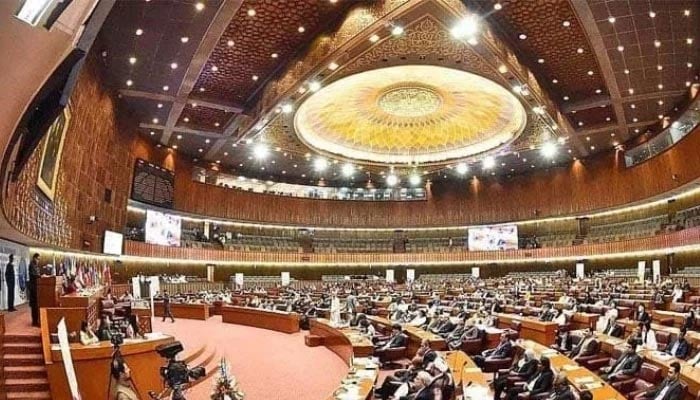

The provincial government recently passed a major law. This reform changes the legal rules for local lawmakers. The Khyber Pakhtunkhwa Assembly Privileges Act 2026 grants brand new powers. Consequently, these updates give provincial politicians extreme authority.
New Legal Safeguards and Security Upgrades
The new legislation introduces broad legal protections. Lawmakers receive immense protection during assembly meetings. Under specific conditions, authorities can release an arrested member to attend sessions.
Furthermore, the law strictly limits how police interact with legislators. Police cannot detain any member without the Speaker’s prior permission. The Speaker can also demand official reports. He retains the power to investigate any arrest directly.
Physical safety is another major focus of this update. Security personnel will provide at least B-category protection to everyone. If a lawmaker faces direct threats, they receive A-category security instead.
Elite Perks and Travel Benefits
Beyond legal immunity, the act provides premium lifestyle benefits. Members enjoy free stays at government rest houses. They also receive total exemption from all toll plaza taxes.
Travel will become much easier for families of lawmakers. Lawmakers and their spouses get lifetime official passports. Additionally, they can access VIP airport lounges across the country.
The law grants eight non-prohibited bore arms licenses to each politician. Four licenses are entirely free, while four require standard fees.
Furthermore, members can now legally inspect government schools, hospitals, and jails. They also receive the powers of a Justice of the Peace. Finally, they can use special MLA number plates and tinted car windows.
Extensive Power for Assembly Committees
The draft law drastically increases the institutional power of committees. Committees can summon any individual to request records. If a person refuses to comply, the committee can issue an arrest warrant.
New Restrictions for Media Personnel
Local journalists face strict guidelines under this new law. Publishing false or banned reporting now counts as a breach of privilege. Leaking committee reports before an official hearing is also illegal.
The Speaker holds the power to ban any media representative from entering the premises. Violating assembly privileges constitutes a regular crime now. A special judicial committee will hear these media cases. The Speaker can appeal decisions, making his final choice binding.
A Shift in Governance
These sweeping reforms grant politicians massive authority. Citizens continue to discuss the long-term impact of these privileges. The new laws fundamentally reshape provincial power dynamics.

