
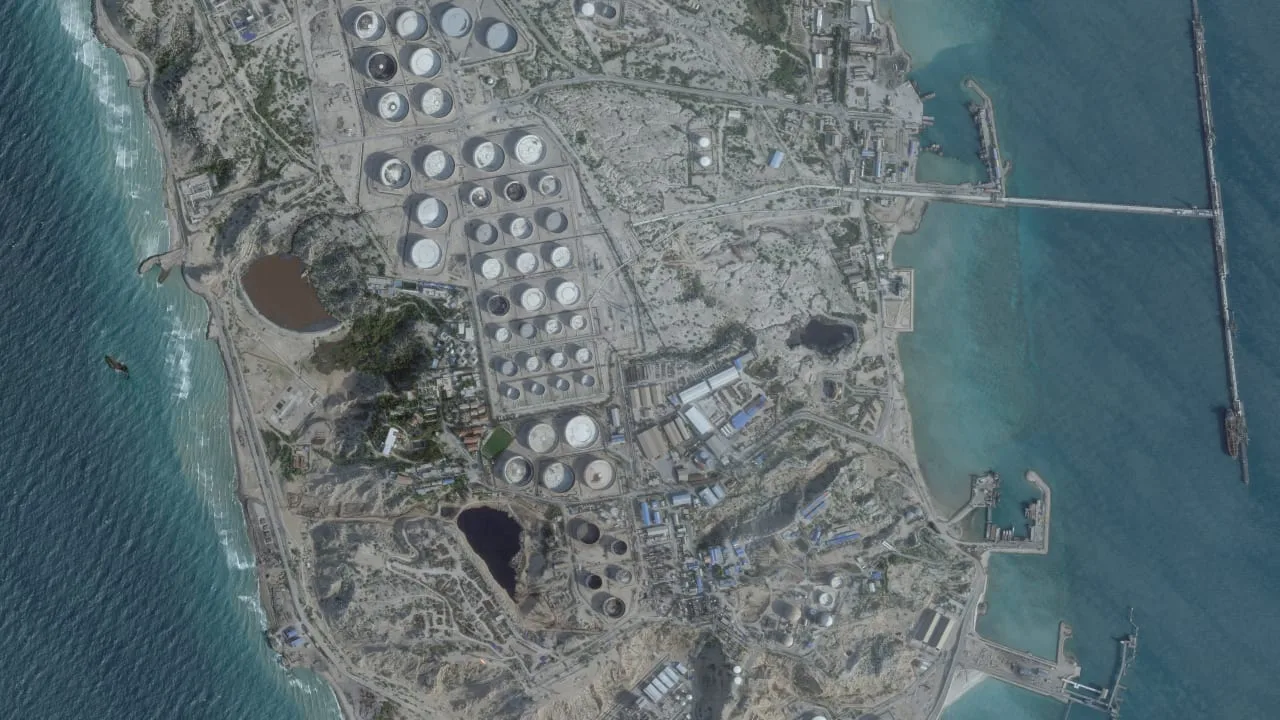

Satellite Monitoring Reached Unprecedented Levels During Operation
JERUSALEM: Israeli satellites reportedly photographed Iran more than 50,000 times during the roughly 40-day Operation Roaring Lion, highlighting the scale of surveillance conducted throughout the conflict.
According to reports, the figure represents a dramatic increase compared to the approximately 12,000 satellite images collected during the June 2025 conflict. The latest numbers indicate that Israeli satellites captured well over 1,000 images per day during the operation.
Officials said the extensive imaging campaign provided intelligence coverage across large portions of Iranian territory during both daytime and nighttime operations.
Furthermore, analysts noted that the volume of imagery gathered during the conflict significantly exceeded previous surveillance efforts, reflecting the growing role of space-based intelligence in modern warfare.
Air Campaign Targeted Thousands of Sites
In addition to the satellite operations, military data released after the conflict showed that Israeli forces conducted an extensive air campaign.
Reports indicated that approximately 18,000 bombs were dropped over 38 days, representing a substantial increase compared with previous military operations. The strikes were carried out through around 1,000 waves of aircraft missions and roughly 8,500 separate sorties.
Military officials stated that these operations resulted in approximately 10,800 attacks against around 4,000 targets. Many of the targets reportedly consisted of multiple facilities, structures or strategic components within larger military complexes.
Consequently, the campaign became one of the largest aerial operations conducted in the region in recent years.
Regional Operations Divided Between Allied Forces
Meanwhile, reports suggested that operational responsibilities were distributed across different regions during the conflict.
Israeli forces primarily focused on western, northern and central areas of Iran, including locations around Tehran. At the same time, US-led operations reportedly concentrated on southern regions and strategic maritime routes.
Observers noted that both surveillance and air operations played a significant role in shaping battlefield intelligence and targeting decisions throughout the conflict.
The reported figures underscore the growing importance of satellite reconnaissance, aerial surveillance and precision-strike capabilities in contemporary military operations and regional security strategies.

