
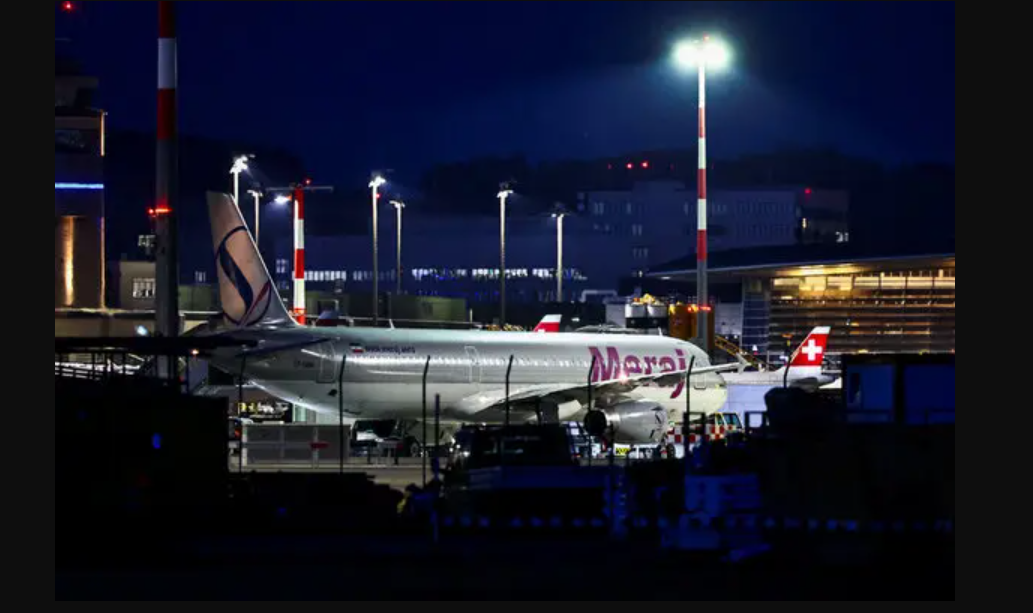

The next phase of diplomatic efforts between the United States and Iran is set to begin in Switzerland, as delegations arrive to push forward negotiations aimed at reducing regional tensions and advancing a broader peace framework.
The latest round of discussions is expected to focus on implementing the recently agreed memorandum of understanding and addressing unresolved issues linked to regional security.
Iranian Delegation Arrives for New Round of Talks
Iran’s delegation arrived in Switzerland ahead of scheduled discussions at the Burgenstock resort, marking another stage in ongoing diplomatic engagement.
Swiss authorities confirmed the delegation’s arrival and stated that the meetings would support the implementation phase of the understanding reached between Tehran and Washington.
The upcoming discussions are being viewed as an important opportunity to maintain diplomatic momentum and strengthen efforts aimed at long-term regional stability.
US Delegation Heads to Switzerland
US Vice President JD Vance departed Washington to participate in the negotiations and outlined the priorities expected during the talks.
Before leaving, Vance said, “I think we’re going to hopefully make progress on the nuclear issue, make progress on the Lebanon ceasefire issue. Those are the two big things that I think we’re to be focused on.”
He also noted that his visit would likely be brief and could last “for a day or two.”
According to officials, discussions are expected to focus on nuclear-related matters and maintaining the recently announced ceasefire framework linked to Lebanon.
US representatives handling technical aspects of the negotiations had already reached Switzerland ahead of the broader diplomatic meetings.
Delayed Negotiations Return to the Table
The talks had originally been expected earlier but were delayed after renewed military developments affected regional conditions.
Following further tensions, both Israel and Hezbollah accused each other of violating the ceasefire framework connected to the preliminary agreement.
Despite concerns, diplomatic engagement continued.
Commenting on the regional situation, Vance said conditions in Lebanon were “actually getting better.”
He further explained:
“It’s going to be something we’re just going to have to continuously manage to ensure that… Israel and Lebanon are both safe and secure.”
Discussing the challenge of maintaining calm, he added:
“The big problem is that you have somebody will shoot and then somebody will respond, and you kind of have a chicken and egg problem where you’ve just got to stop the shooting for long enough to get the ceasefire to keep hold.”
Pakistan Expected to Play a Mediation Role
Pakistan is expected to remain actively engaged during this stage of negotiations.
Prime Minister Shehbaz Sharif is expected to participate alongside a senior Pakistani delegation.
Field Marshal Syed Asim Munir is also expected to attend the discussions as diplomatic efforts continue.
Qatari representatives are anticipated to join the meetings as well, reflecting wider regional involvement in the process.
The Iranian delegation is expected to be led by Speaker Mohammad Baqer Qalibaf.
Officials view the negotiations as an important step toward advancing dialogue and maintaining progress under the broader diplomatic framework.
Earlier Diplomatic Engagements Continued Momentum
Before the Switzerland meetings, Interior Minister Mohsin Naqvi visited Tehran and held discussions with Iranian officials regarding recent developments and the next phase of engagement.
During those meetings, both sides described the agreement as an important development for regional stability and continued diplomatic coordination.
Iranian officials also noted that Pakistan’s engagement remains focused on supporting ongoing dialogue and encouraging continued negotiations.
As attention shifts to Switzerland, the coming discussions are expected to shape the next phase of regional diplomacy and determine whether current momentum can translate into lasting progress.

