
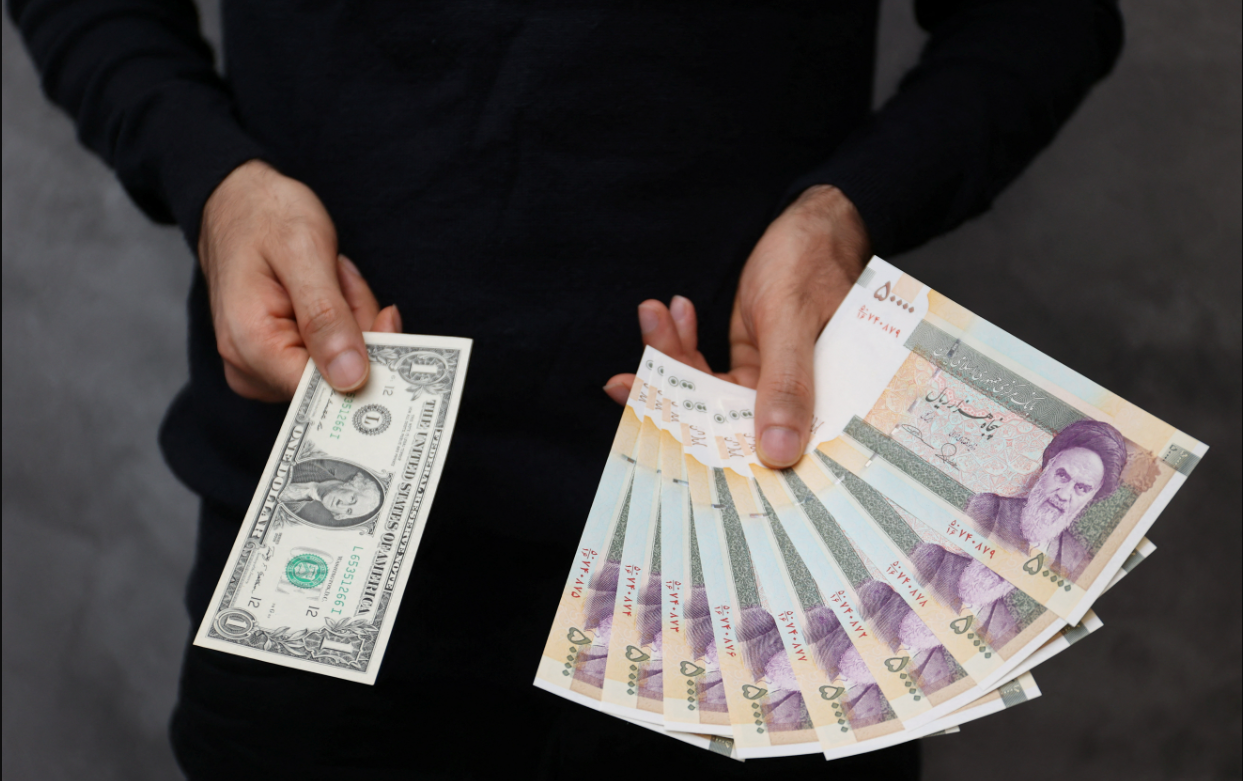

A sharp rise in demand for Iranian rials has been recorded in Pakistan following the recent US-Iran peace agreement. Currency exchange activity has surged significantly within just a few days of the deal.
Massive Surge in Iranian Rial Demand
According to exchange market data, approximately Rs2 trillion worth of Iranian rials were purchased across Pakistan within four days of the agreement.
The sudden spike reflects increased market activity following the easing of geopolitical tensions between Iran and the United States.
On the first day alone, around 40 billion Iranian rials were purchased, showing immediate market response to the peace development.
Exchange Market Observations
Malik Bostan, Chairman of the Exchange Companies Association of Pakistan, highlighted the sharp increase in demand for the Iranian currency.
He noted that trading activity picked up rapidly after the announcement of the US-Iran agreement.
Market participants responded quickly, leading to higher circulation and purchase volumes of Iranian rials across currency exchange networks.
Rising Demand and Price Movement
Alongside the surge in purchasing volume, both demand and price of the Iranian rial have continued to increase in the local market.
Exchange companies report growing interest from traders and individuals engaging in cross-border financial activity.
This trend reflects shifting market sentiment following improved diplomatic relations between the two countries.
Impact of Geopolitical Developments on Currency Markets
Currency markets often respond quickly to geopolitical events, and the US-Iran peace deal has had an immediate impact.
The agreement has improved confidence in regional financial stability, contributing to increased trading activity in Iranian currency.
As a result, exchange companies have witnessed heightened transactions involving the rial across multiple cities in Pakistan.
Outlook for Iranian Rial in Pakistan
Market observers suggest that demand for the Iranian rial may remain elevated in the short term.
Future movement will depend on the stability of the peace agreement and broader regional economic conditions.
For now, the sharp rise in transactions highlights how quickly currency markets react to international diplomatic developments.

