
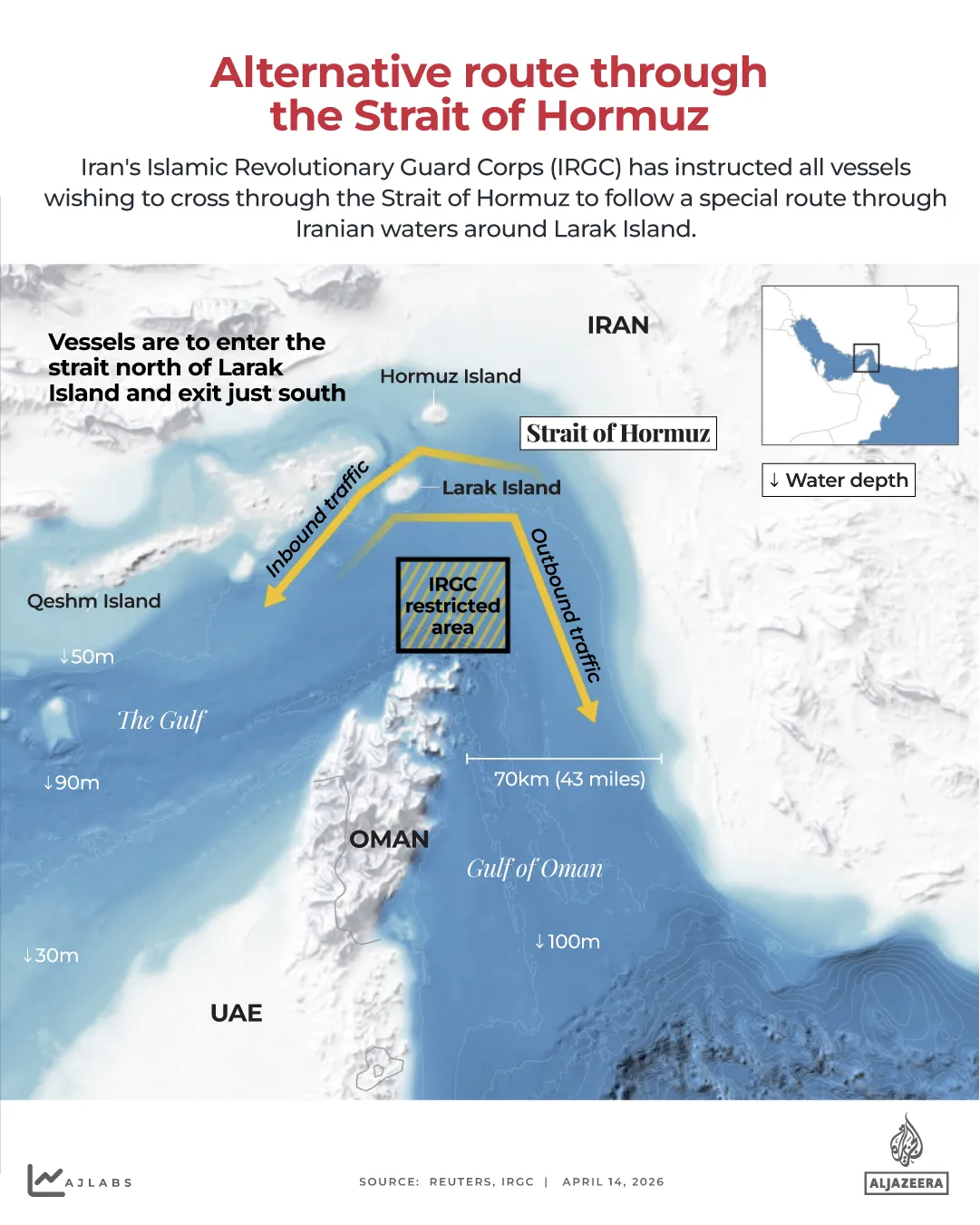

Iran has once again imposed strict control over the strategic Strait of Hormuz. The move comes amid rising tensions with the United States over ongoing naval blockades and regional disputes.
A spokesperson for Iran’s Khatam al-Anbiya Central Headquarters confirmed that transit through the key waterway has returned to a restricted state. According to Iranian state media Press TV, the decision follows what Tehran described as repeated violations by US forces.
Officials stated that the strait is no longer open for free passage. Ships must now seek approval from Iranian authorities before crossing. This marks a significant escalation in maritime tensions.
Dispute Over Agreements and Military Control
Iran claims that it had earlier agreed to allow limited shipping access. This arrangement was part of ongoing diplomatic efforts. However, officials say the United States failed to meet its commitments.
According to Islamic Republic of Iran Broadcasting, Iranian authorities accused Washington of breaching the understanding. They also alleged “piracy under the guise of blockade.”
As a result, Iran has reinstated full military oversight of the Strait of Hormuz. The route is one of the world’s most important oil transit corridors. Any disruption here can impact global energy markets.
The renewed restrictions mean that commercial shipping faces uncertainty. Tankers and cargo vessels may experience delays or diversions. This could increase transportation costs and disrupt supply chains.
Strategic Importance of the Strait of Hormuz
The Strait of Hormuz connects the Persian Gulf to international waters. A large portion of the world’s oil supply passes through this narrow channel.
Control over this route gives Iran significant strategic leverage. Analysts say Tehran often uses this influence during periods of conflict. The latest move is being seen as a pressure tactic against US policies.
Global markets are closely monitoring the situation. Any prolonged disruption could lead to higher oil prices. It may also increase volatility in international trade.
Energy-importing countries are particularly vulnerable. They rely heavily on stable shipping routes. Even short-term restrictions can have widespread economic effects.
Experts Warn of Escalation Risks
Experts say the situation remains fluid and unpredictable. Mohamed Elmasry described the developments as a sign of rising tensions.
He noted that Iran is using control of the waterway as leverage. According to him, the US blockade of Iranian ports may have triggered this response. He called the move a possible “miscalculation” by Washington.
Elmasry also warned that ongoing negotiations could collapse. Diplomatic efforts may be at risk if tensions continue to rise. He stressed that conflicting messages from both sides are adding to uncertainty.
The current standoff could impact broader regional stability. It may also affect ongoing talks related to Iran’s nuclear programme.
Observers believe that both sides need to act carefully. Any further escalation could lead to serious consequences. Diplomatic channels remain crucial in avoiding conflict.
For now, the situation in the Strait of Hormuz remains tense. The global community is watching closely. The coming days will be critical in determining the next steps.

