

Tehran and Beijing pledge closer cooperation as officials discuss regional stability
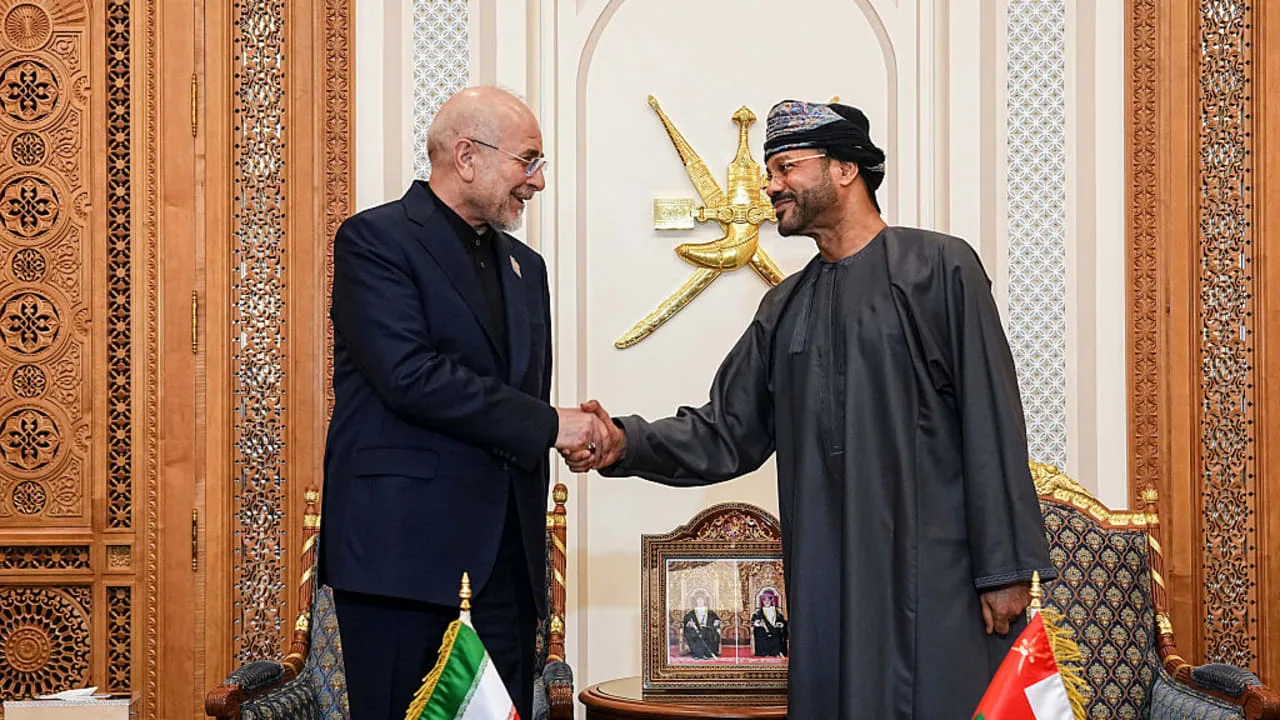
Iranian Parliament Speaker Mohammad Bagher Ghalibaf announced on Friday that Iran and Oman have reached an agreement on regulating maritime traffic through the Strait of Hormuz under Article V of the Memorandum of Understanding between Tehran and Washington.
Speaking during a meeting with senior Chinese officials, Ghalibaf said the arrangement outlines the framework for managing navigation in the strategic waterway while reaffirming Iran’s position on maintaining sovereignty over the strait.
He also accused Israel of attempting to undermine the Iran-US Memorandum of Understanding, arguing that Tehran’s regional deterrence would prevent any renewed military confrontation.
Furthermore, Ghalibaf stressed that Iran would not permit external interference in the administration of the Strait of Hormuz, describing the waterway as an issue that should remain under regional management.
Iran calls for stronger coordination with China
During the meeting, Ghalibaf said closer political and economic coordination between Iran and China is essential for reducing regional tensions and promoting stability. He criticised what he described as unilateral international policies and emphasised the importance of cooperation among regional and strategic partners.
The discussions also focused on expanding bilateral relations and strengthening long-term collaboration across multiple sectors.
China reaffirms strategic partnership
Vice Chairman of the Standing Committee of China’s National People’s Congress He Wei reaffirmed Beijing’s commitment to enhancing ties with Tehran, describing the relationship as a longstanding friendship.
He noted that this year marks the 55th anniversary of diplomatic relations between China and Iran, as well as the 10th anniversary of their comprehensive strategic partnership.
He added that both countries are prepared to use these milestones to deepen political, economic and strategic cooperation while continuing dialogue on regional and international issues of mutual interest. The meeting reflected both sides’ commitment to expanding bilateral engagement amid evolving geopolitical developments in the Middle East.

