
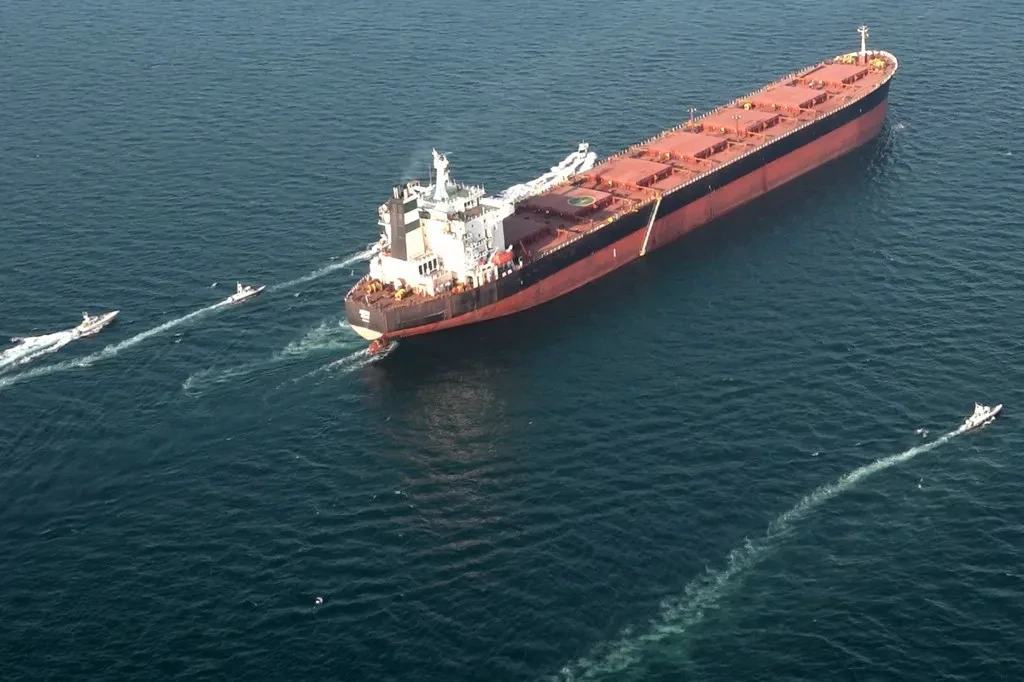

Iran has announced plans to introduce a new maritime traffic management system in the Strait of Hormuz. The waterway is one of the world’s most critical shipping routes.
The announcement came from Ebrahim Azizi, spokesperson for Iran’s parliamentary National Security and Foreign Policy Committee. He outlined details in a statement shared on social media.
According to him, the system has already been prepared. It is designed to regulate shipping traffic along a designated maritime route.
System Based on National Sovereignty and Trade Security
Azizi stated that the mechanism has been developed within the framework of Iran’s national sovereignty. It also aims to support international trade security in the region.
He said the system will introduce a structured method for managing vessel movement. Authorities plan to formally unveil the mechanism soon.
Iran emphasized that the initiative focuses on improving maritime organization in the strategic corridor. The Strait of Hormuz plays a vital role in global energy transport.
Limited Access for Commercial Shipping
Under the proposed system, access will not be universal. Only commercial vessels and entities cooperating with Iran will be allowed to benefit.
Azizi explained that the system includes a service-based structure. Fees will be collected for specialized maritime services provided under the mechanism.
The proposal suggests a regulated corridor where shipping operations follow defined rules. This is intended to streamline navigation and oversight in the region.
Exclusion of Certain Operators
The official statement also noted restrictions within the system. The designated route will not be open to certain operators referenced in the announcement.
Azizi specifically stated that the route “will remain closed to the operators of the so-called “freedom project.””
This restriction highlights Iran’s intention to control access under the new framework. The statement did not provide additional operational details.
Strategic Importance of the Strait of Hormuz
The Strait of Hormuz is a key global chokepoint for oil and gas shipments. A significant portion of the world’s energy trade passes through this route.
Any regulatory change in the strait can influence global shipping patterns. It can also impact energy transport costs and regional maritime dynamics.
Iran’s announcement adds a new layer to ongoing discussions about maritime governance in the region.
Expected Impact on Shipping Operations
If implemented, the system could alter existing shipping procedures. Commercial operators may need to adjust routes and comply with new regulations.
It also introduces a fee-based model for maritime services. This could affect logistics planning for international shipping companies.
However, no timeline has been confirmed for full implementation. Authorities have only indicated that the system will be unveiled soon.
Conclusion
Iran’s planned maritime traffic system for the Strait of Hormuz signals a significant development in regional shipping regulation.
The proposal combines controlled navigation, service fees, and restricted access. Its future implementation could reshape commercial maritime operations in one of the world’s busiest sea lanes.

