
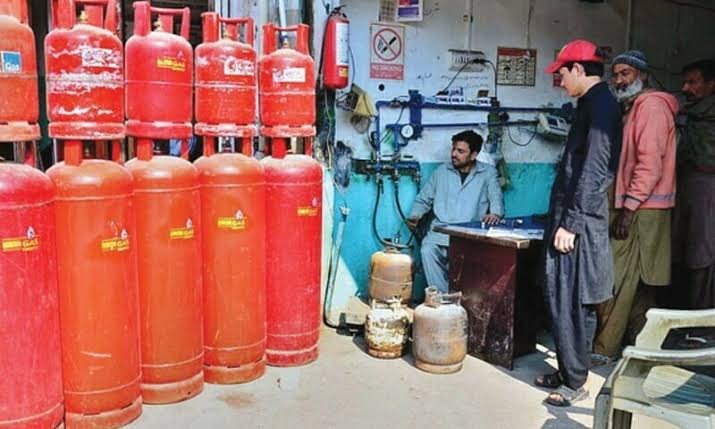

The federal government has introduced a new policy to address Pakistan’s LPG supply shortages and rising market prices. Meanwhile, electricity costs are also expected to increase in 2027, adding further pressure on consumers.
Petroleum Minister Ali Pervaiz Malik announced that the federal cabinet had approved a policy directing four state-owned enterprises (SOEs) to resume LPG imports.
The government aims to improve supplies, increase market competition and provide subsidised fuel to low-income households.
Four State-Owned Companies to Import LPG
The four companies assigned to import LPG are Pakistan State Oil (PSO), Pakistan LNG Limited, Sui Southern Gas LPG and PARCO Pearl Gas.
They will arrange supplies through government-to-government and business-to-business agreements.
According to the petroleum minister, the companies have already received supply offers from Saudi Arabia and Oman.
The government also plans to replace the existing quota system with competitive auctions. Local producers will offer LPG in lots of five to 10 tonnes under regulatory monitoring.
Subsidised LPG for BISP Beneficiaries
The government plans to provide LPG to eligible households at Rs300 to Rs350 per kilogram.
The subsidy will target consumers meeting the Benazir Income Support Programme (BISP) eligibility criteria.
However, the minister acknowledged that market prices could remain higher than the current regulated rate. He estimated that imported LPG could cost Rs450 to Rs500 per kilogram once new supplies arrive.
The government will establish a dedicated fund to finance subsidies through the difference between import-parity prices and proceeds from locally produced LPG auctions.
Electricity Purchase Costs May Increase
Separately, the Power Division has projected higher electricity purchase costs for 2027. During a National Electric Power Regulatory Authority (Nepra) hearing, officials presented six pricing scenarios for January to December next year.
Under the base-case scenario, the power purchase price could rise from Rs25.32 to Rs27.31 per unit, an increase of Rs1.99.
The worst-case projections placed the price between Rs28.84 and Rs29.26 per unit. Nepra has reserved its decision and will issue a determination after reviewing the submissions.
The developments highlight continuing pressure on Pakistan’s energy sector as authorities attempt to manage fuel supplies and electricity costs.
For the latest updates, visit and follow The Truth International website (www.thetruthinternational.com) and subscribe to the YouTube Channel.

