

Recovery Delays Raise Concerns Over Fate of Missing Palestinians
GAZA: The International Committee of the Red Cross (ICRC) has warned that thousands of Palestinians believed to be buried beneath Gaza’s rubble may never be identified as recovery operations continue to face severe challenges across the territory.
According to recent reports, rescue and recovery efforts remain slow despite a ceasefire that came into effect in October. Humanitarian officials say prolonged delays are increasing the risk that remains will deteriorate beyond recognition, making identification increasingly difficult.
ICRC spokesperson Pat Griffiths stated that the longer bodies remain trapped under collapsed structures, the greater the likelihood that decomposition and environmental factors will erase crucial forensic evidence.
He explained that delayed recovery efforts reduce access to contextual information and personal belongings that often help experts confirm identities and provide answers to grieving families.
Limited Equipment Slows Search Operations
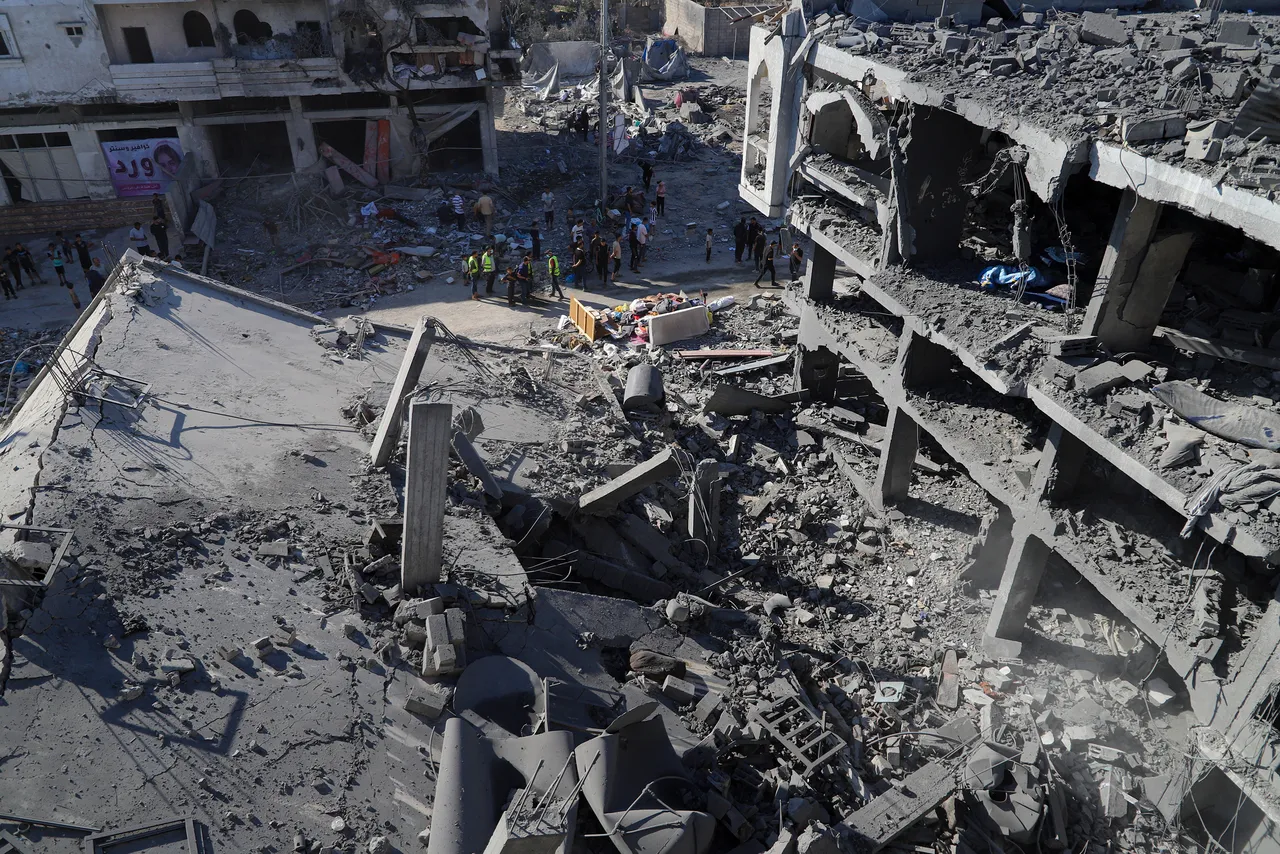
Palestinians have begun searching through an estimated 61 million tonnes of debris left behind by the conflict. However, recovery teams continue to face major obstacles due to a lack of heavy machinery and specialised equipment.
Many rescue workers rely on basic tools such as shovels, pickaxes, wheelbarrows, and even their bare hands to search damaged areas.
Humanitarian organisations have repeatedly called for the entry of excavators and other equipment needed to accelerate recovery operations. Nevertheless, requests to bring additional machinery into Gaza have reportedly not received approval.
The ICRC stressed that search teams require unrestricted access to all locations where remains are believed to be buried.
Families Continue Seeking Answers
Health authorities in Gaza estimate that at least 10,000 people remain trapped beneath the rubble, while some experts believe the number could reach 14,000.
Meanwhile, humanitarian officials warned that continued delays could complicate future identification efforts due to the displacement of remains, loss of personal effects, and environmental deterioration.
The ICRC emphasized that thousands of families are still searching for information about missing loved ones and called for urgent measures to support recovery operations.
Officials said identifying the missing remains essential not only for forensic purposes but also for providing families with closure and certainty about the fate of their relatives.

