
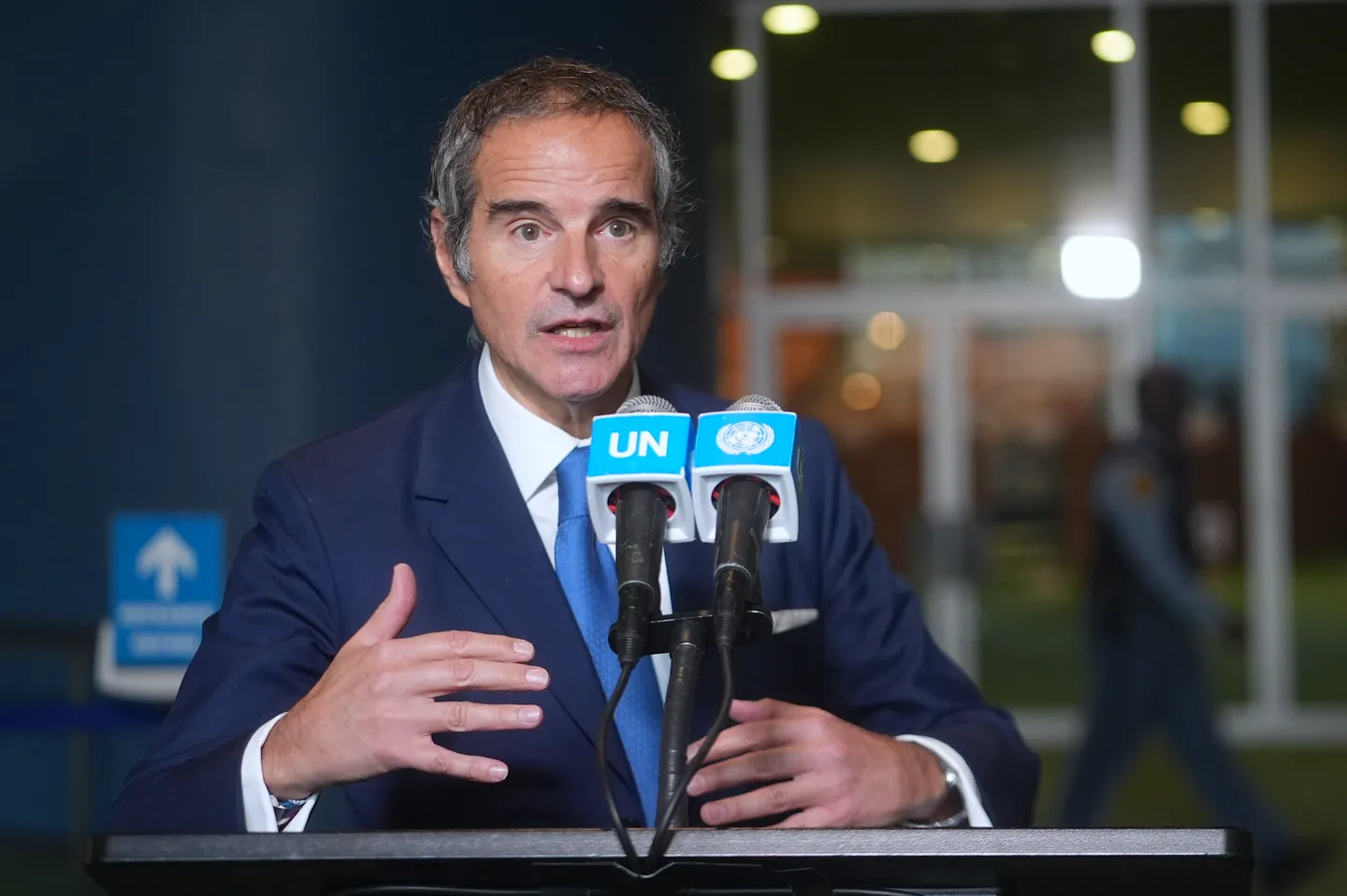

Grossi Sees Progress in Diplomatic Efforts
International Atomic Energy Agency Director General Rafael Grossi said Friday that negotiations between the United States and Iran appear to be moving closer to a framework agreement on Tehran’s nuclear programme.
Speaking after a meeting of the IAEA Board of Governors, Grossi said the agency remains in contact with both parties despite not being directly involved in the negotiations. According to him, discussions seem to be advancing toward an organizational framework that could provide both sides with additional time to address complex issues surrounding Iran’s nuclear activities.
Furthermore, Grossi stressed that Iran continues to have obligations under its agreements with the IAEA. He noted that while wartime conditions had complicated inspection efforts, a prolonged ceasefire has created opportunities for renewed engagement.
The IAEA chief added that the agency has continued selected monitoring activities at facilities designated by Tehran. However, he acknowledged that Iran retains discretion over certain aspects of access and transparency.
Nuclear Safety Remains a Major Concern
Meanwhile, Grossi emphasized that Iran’s stockpile of highly enriched uranium remains a key issue in any future agreement. He outlined several possible options, including exporting the material, diluting it, or keeping it inside Iran under strict IAEA supervision.
However, he noted that before any decision is made, inspectors must verify the current quantity of enriched uranium. He described the matter as ultimately requiring a political decision by the parties involved.
In addition, Grossi issued a strong warning against attacks on nuclear facilities during conflicts. His remarks followed a recent visit to Gulf countries, including the United Arab Emirates, where he toured the Barakah Nuclear Power Plant after reports of a drone strike in the area.
The IAEA chief reiterated that peaceful nuclear facilities should never become military targets and warned that attacks could trigger severe environmental and public safety consequences.
Moreover, Grossi said the agency applies the same standards globally and rejects any form of double standards regarding nuclear safety. He called for maximum restraint from all sides and argued that diplomacy remains the only sustainable path toward regional stability.
According to Grossi, continued dialogue and cooperation offer the best opportunity to address nuclear concerns while reducing tensions across the region.

