
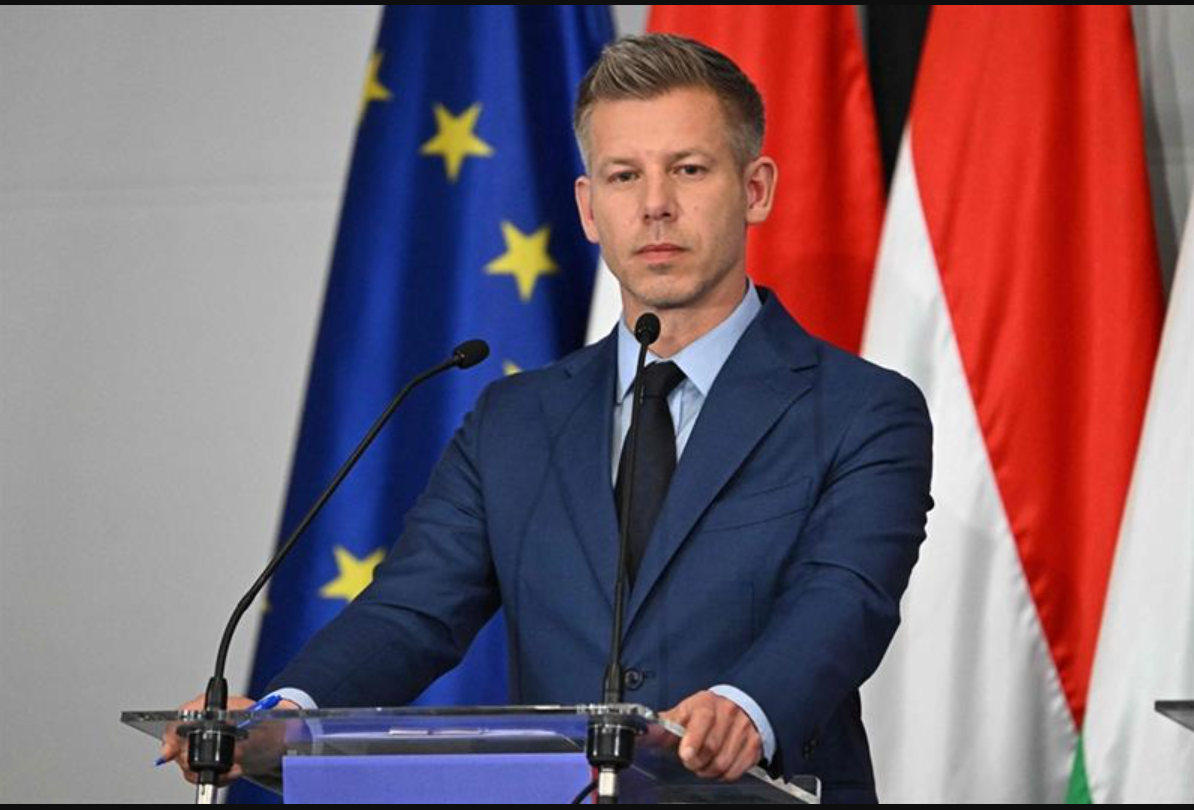

Peter Magyar, Hungary’s incoming prime minister, has indicated that his country will comply with International Criminal Court obligations. His statement comes amid renewed attention on an arrest warrant issued for Benjamin Netanyahu.
Magyar stated that Hungary would act according to international legal commitments. However, his remarks followed an invitation extended to Netanyahu to visit Budapest later this year. This has raised questions about Hungary’s legal and diplomatic positioning.
ICC Warrant and Legal Obligations
In 2024, the International Criminal Court issued an arrest warrant for Netanyahu. The charges include allegations of crimes against humanity and war crimes. These allegations relate to Israel’s military actions in Gaza.
The warrant specifically cites claims such as the use of starvation as a method of warfare. Therefore, ICC member states are expected to detain individuals named in such warrants if they enter their territory.
Magyar addressed this legal obligation clearly. He said, “If someone is a member of the International Criminal Court and a person who is wanted enters our country, then they must be taken into custody,”. His statement underlines a strict interpretation of ICC rules.
Hungary’s Shifting Position on the ICC
Hungary’s stance on the ICC has recently evolved. Former prime minister Viktor Orban had announced plans to withdraw from the court. This decision followed a meeting with Netanyahu in Budapest.
The withdrawal process was scheduled to take effect by June 2 this year. However, Magyar has expressed a different approach. He now aims to halt the withdrawal and maintain Hungary’s ICC membership.
He emphasized this intention during discussions with international counterparts. He also noted that Hungary could reverse the decision before it becomes final.
Invitation to Netanyahu Raises Questions
Despite his legal stance, Magyar confirmed that he invited Netanyahu to Hungary. The invitation is reportedly part of a broader diplomatic gesture. It coincides with the 70th anniversary of Hungary’s 1956 anti-Soviet uprising.
Magyar explained that he extended invitations to several global leaders. These invitations followed phone conversations marking the historic anniversary. Therefore, Netanyahu’s invitation forms part of a wider outreach effort.
However, Magyar clarified his position regarding legal obligations. He said, “I don’t need to spell everything out over the phone. I assume that every head of state and government is familiar with these laws,”. His remarks suggest that legal compliance would take precedence.
International Reactions and Broader Context
The situation has drawn international attention. The United States has reacted strongly to the ICC’s actions. It imposed sanctions on several ICC judges and prosecutors.
Meanwhile, the United Nations has criticized these sanctions. It described them as “reprisals,” highlighting concerns about pressure on international legal institutions.
These developments reflect broader geopolitical tensions surrounding the ICC’s role. They also underline the challenges faced by member states balancing diplomacy and legal commitments.

