

Electricity consumers in Pakistan could face an additional burden of around Rs34 billion for April to June 2026. The proposed quarterly adjustment equals approximately Rs1.34 per unit.
Lower electricity consumption has contributed to higher capacity-related costs, according to details presented before the National Electric Power Regulatory Authority (NEPRA).
The proposed adjustment was initially estimated at Rs23.03 billion. However, authorities later revised the amount upward to Rs33.78 billion.
Capacity Charges Drive Proposed Electricity Increase
Capacity charges account for Rs46.28 billion of the proposed adjustment. Variable operation and maintenance costs add another Rs4.94 billion.
However, several negative adjustments partially offset these additional costs. The Use of System Charges and Market Operator Fee carries a negative adjustment of Rs13.52 billion.
Another negative adjustment of Rs21.18 billion comes under the incremental consumption package.
The proposed adjustment also includes Rs3.04 billion related to transmission and distribution losses. Furthermore, Rs14.21 billion covers unrecovered costs of Small Power Producers and Captive Power Producers.
Together, these figures have contributed to the overall quarterly tariff adjustment being considered by NEPRA.
Industrial Sector Opposes Higher Power Prices
Industrial representatives strongly opposed the proposed increase during the NEPRA hearing. They argued that businesses cannot absorb another rise in electricity costs.
They warned that expensive electricity could further weaken Pakistan’s industrial competitiveness. Higher energy costs could also increase pressure on businesses already facing difficult operating conditions.
Representatives urged NEPRA to carefully examine the proposed adjustment. They also called for the increase to be deferred.
Tanveer Barry, representing the Karachi Chamber of Commerce and Industry, questioned the sharp rise in capacity charges.
He also questioned why consumers should pay higher capacity costs while electricity companies continue load shedding. Industrial representatives said the issue requires closer scrutiny before any increase takes effect.
Electricity Consumption Falls by Around 5%
Officials from Peshawar Electric Power Company (Pesco) told the hearing that electricity consumption had dropped by around 5 percent.
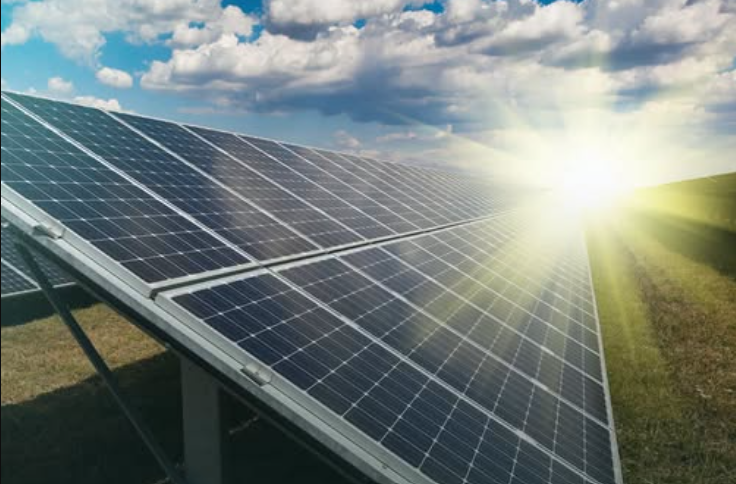
They attributed the decline mainly to weaker demand from domestic and commercial consumers. Additionally, growing solar power usage has contributed to lower household electricity demand.
NEPRA Member Maqsood Anwar Khan asked whether load shedding was also affecting electricity sales.
Pesco officials confirmed that load shedding continues in several areas. They also acknowledged that some affected areas include consumers who regularly pay their electricity bills.
NEPRA Questions Impact of Solar Power
Khan noted that solar power has helped reduce pressure on Pakistan’s electricity system. He particularly highlighted its contribution during daytime hours.
He argued that authorities should not simply blame solar adoption for declining electricity sales. Instead, the changing electricity consumption pattern requires a broader assessment.
The debate highlights growing tensions between falling electricity demand and fixed capacity-related costs. As consumers use less grid electricity, capacity payments can place greater pressure on the remaining users.
NEPRA will now consider the concerns raised during the hearing before reaching a decision on the proposed adjustment. The outcome will determine whether consumers face the additional Rs1.34 per-unit burden.

