
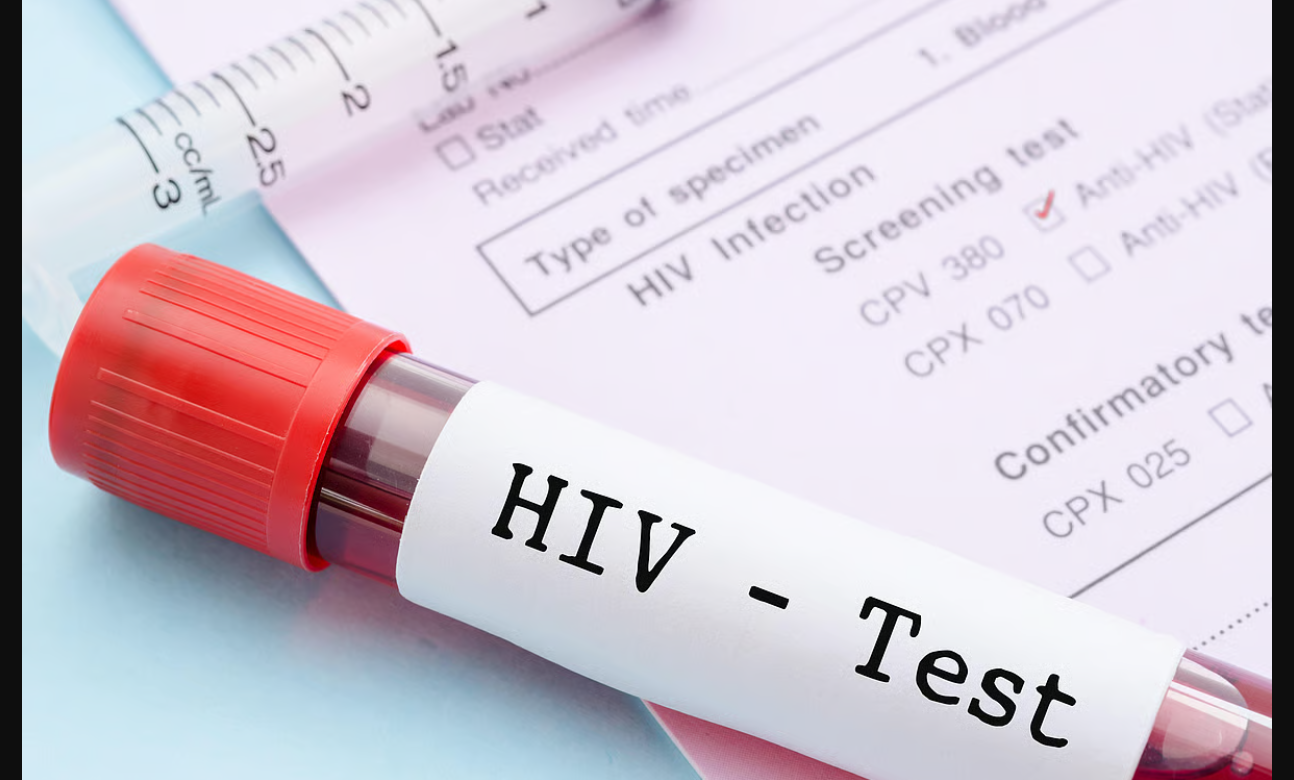

The federal government has directed authorities to make HIV screening mandatory before surgical procedures involving skin piercing or incisions.
Federal Health Minister Mustafa Kamal issued the directive during a meeting on HIV/AIDS prevention and healthcare safety.
The policy aims to prevent healthcare-associated transmission and establish consistent safety standards across Pakistan.
The minister chaired a meeting of the Joint Working Group on HIV/AIDS at the Ministry of National Health Services.
During the meeting, he instructed health authorities to take steps toward implementing the screening requirement nationwide.
Balochistan, KP and GB Asked to Issue Notifications
Mustafa Kamal directed authorities in Balochistan, Khyber Pakhtunkhwa and Gilgit-Baltistan to issue the necessary notifications.
These notifications will enforce HIV screening before surgical procedures involving skin piercing or incisions.
Meanwhile, Sindh, Punjab and the Islamabad Capital Territory have already introduced HIV screening before such procedures.
The minister stressed the need to establish one uniform policy across the country.
He also called for a consistent implementation mechanism so healthcare facilities can follow the same requirements.
The move therefore seeks to bring provincial practices under a more unified national framework.
Government Focuses on Uniform Healthcare Safety Standards
Officials informed the meeting that three provinces and the federal capital already conduct HIV screening before relevant surgical procedures.
However, the existing arrangements do not cover the entire country under one uniform implementation system. Therefore, the health minister emphasised nationwide coordination between health authorities.
The proposed approach would extend the screening requirement to the remaining regions.
It would also provide a common framework for implementing HIV screening before procedures involving skin piercing.
The government aims to strengthen infection prevention while ensuring consistent healthcare safety measures across Pakistan.
Greater Attention Ordered for Children Living With HIV
The health minister also called for greater attention to children living with HIV. He said their care should extend beyond medical treatment alone.
According to the minister, children need nutritional, psychosocial and welfare support alongside appropriate medical care.
Such support can help improve their quality of life and treatment outcomes. The government therefore wants healthcare planning to consider the wider needs of children living with HIV.
This approach would combine medical care with support addressing nutritional and psychosocial needs.
Healthcare Commissions to Review Infection Control
Mustafa Kamal also directed officials to invite provincial healthcare commissions to the next meeting. The commissions will review infection prevention and control measures within healthcare facilities.
Their participation is expected to support discussion on existing safety practices and implementation mechanisms.
The review will also provide an opportunity to examine measures aimed at preventing healthcare-associated infections.
Meanwhile, the government will continue coordinating with provincial health authorities on the proposed HIV screening requirement.
What the New HIV Screening Policy Means
The federal directive seeks to establish mandatory HIV screening before surgical procedures involving skin piercing or incisions across Pakistan.
Sindh, Punjab and Islamabad have already introduced screening for such procedures.
Now, authorities in Balochistan, Khyber Pakhtunkhwa and Gilgit-Baltistan have been asked to issue notifications. The move aims to create a uniform policy and implementation mechanism across the country.
At the same time, the government has highlighted broader support for children living with HIV.
The next meeting will also involve provincial healthcare commissions in discussions on infection prevention and control.
Together, these measures are intended to strengthen healthcare safety and improve the consistency of HIV-related policies across Pakistan.

