
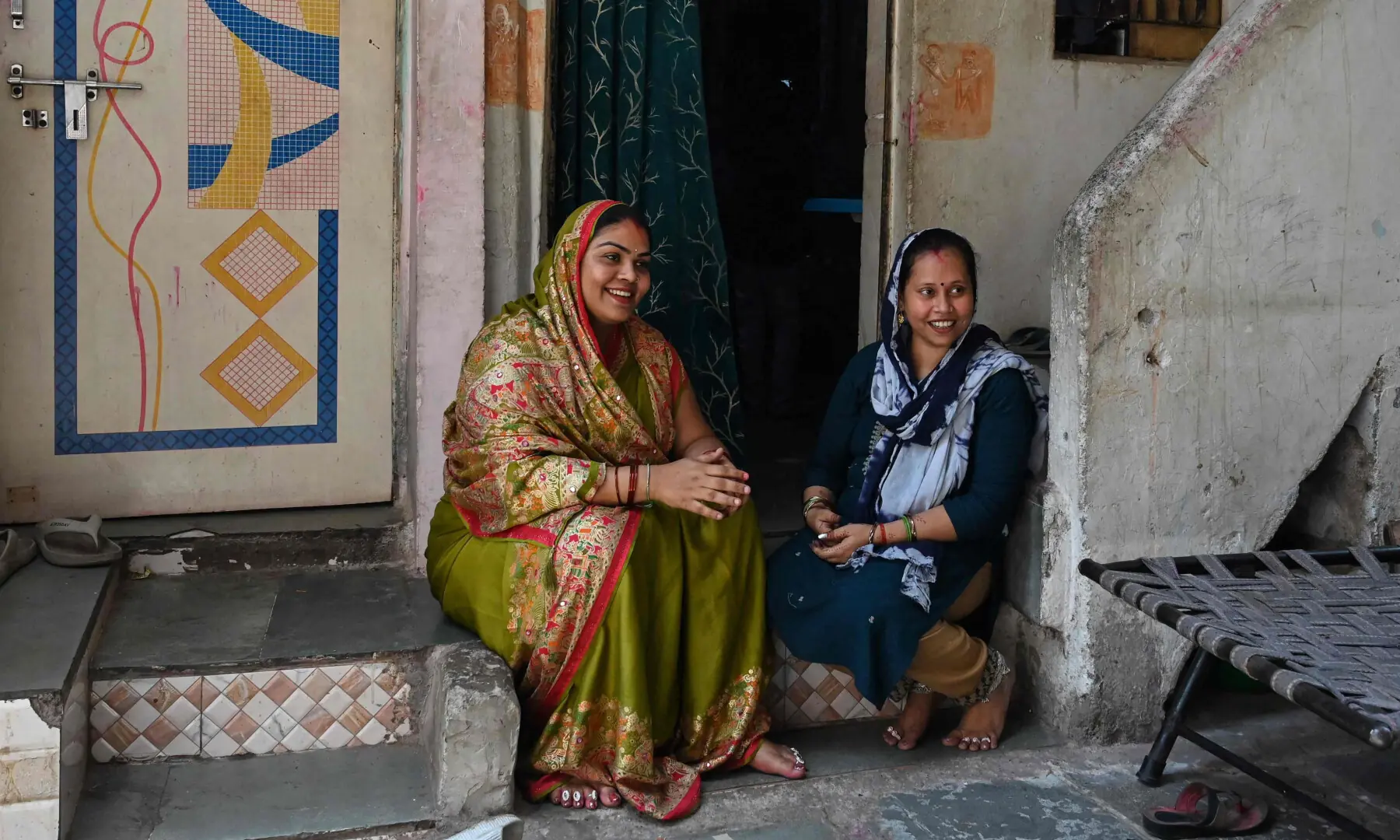

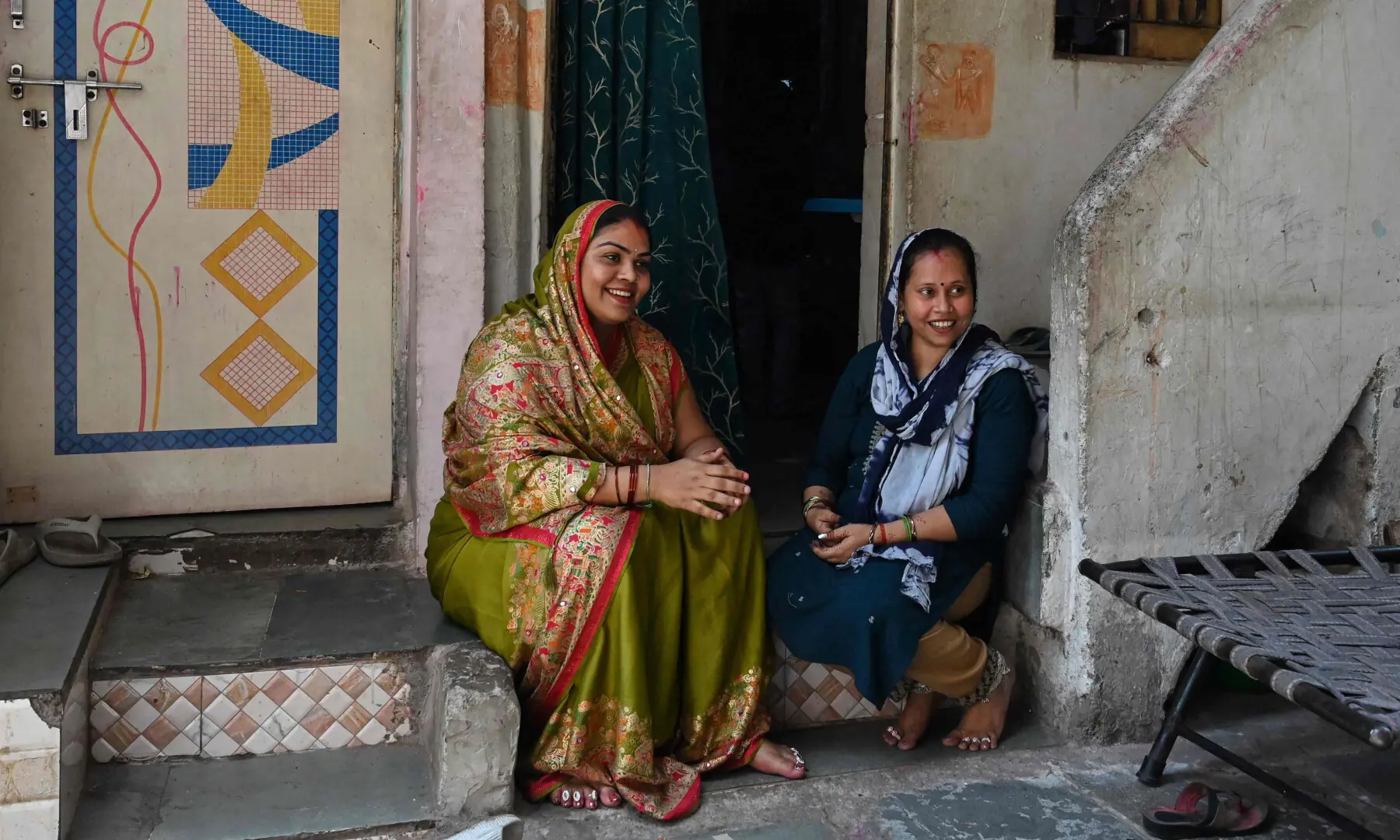
Indian workers now receive automatic payouts when scorching heat forces them to stop work, thanks to a new parametric insurance scheme. Clothes seller Lata Solanki, 42, no longer faces the painful choice between risking her health in extreme temperatures or losing vital income. The scheme pays her when temperatures cross a set threshold for two consecutive days, allowing her to stay home safely.
In Ahmedabad, one of India’s hottest cities, Solanki previously fell ill during a heatwave and lost valuable working days. Now the insurance offers her small but welcome financial support. She receives around 750 Indian rupees after the trigger, which helps cover rising electricity bills from fans running nonstop.
Parametric Model Provides Faster Support for Vulnerable Groups
Transitioning from traditional insurance, this parametric approach triggers automatic payments based on weather data without lengthy damage assessments. Non-profit Mahila Housing Trust partnered with insurer Go Digit to launch the scheme for women workers in Gujarat. It began with 26,000 participants in 2024 and now aims to cover over 30,000 this year after lowering the temperature trigger to 42.74°C.
Rakhi Gulshan Singh, a seamstress who works indoors, also joined the programme. She earns about 4,000 rupees monthly but finds her tiny room unbearably hot while running her sewing machine. The payout she received in 2024 gave her some relief despite its modest size. Programme officials developed the idea after surveys revealed workers lose 2,000 to 2,500 rupees in summer income due to extreme heat.
Broader Efforts Address Climate Impact on Economy
India suffered massive economic losses from extreme heat in 2024, with agriculture and construction sectors hit hardest. Experts see parametric insurance as an effective tool to protect poor and informal workers from rising climate threats. Similar schemes now cover entire populations against heavy rainfall in states like Nagaland.
The federal government explores ways to expand these initiatives nationwide. While payouts remain relatively small compared to actual losses, supporters praise the speed and transparency of the system. Demand for such policies continues to grow as more Indians experience longer and fiercer heatwaves.
Workers like Solanki plan to stay enrolled even if they must pay the premium themselves. As forecasters predict another hot May and June, these schemes offer a practical lifeline in India’s battle against climate change.

