
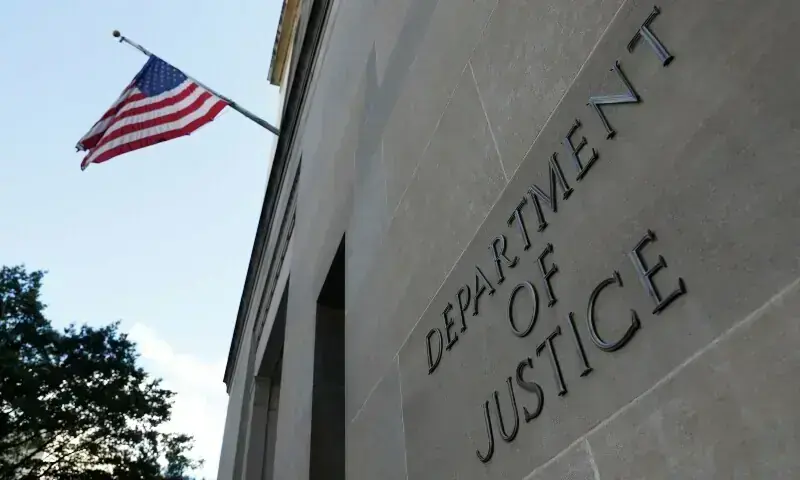

Justice Department Launches New Denaturalisation Cases
The administration of US President Donald Trump has intensified efforts to revoke the citizenship of foreign-born Americans by filing a new series of denaturalisation cases involving alleged fraud, terrorism links, and financial crimes.
The US Department of Justice announced Friday that officials had initiated proceedings against nearly a dozen naturalised citizens accused of concealing critical information during immigration processes or engaging in activities that could have disqualified them from obtaining citizenship.
Among the cases highlighted by authorities is that of Debashis Ghosh, an Indian-origin businessman accused of orchestrating a $2.5 million investment fraud scheme.
According to the Justice Department, Ghosh allegedly defrauded investors before becoming a US citizen and later continued the scheme after naturalisation by misrepresenting how and where investor funds were handled.
Meanwhile, officials said the broader crackdown also targets individuals accused of terrorism-related activity, war crimes, and firearms trafficking.
Immigration Enforcement Strategy Draws Attention
The Justice Department’s Office of Immigration Litigation filed the cases in coordination with US Citizenship and Immigration Services and federal prosecutors across multiple states.
Denaturalisation remains a rare legal process requiring federal court approval. Between 1990 and 2017, US authorities filed slightly more than 300 such cases, averaging roughly 11 annually.
However, the Trump administration has increasingly incorporated denaturalisation into its wider immigration enforcement strategy. Officials argue that citizenship obtained through deception weakens the integrity of the immigration system and should face revocation if courts confirm wrongdoing.
Additionally, authorities have strengthened immigration screening procedures, expanded background reviews, and reopened older files to identify possible fraud.
Civil liberties groups, however, warned that broader denaturalisation efforts could create uncertainty among immigrant communities and discourage eligible residents from seeking citizenship.

