
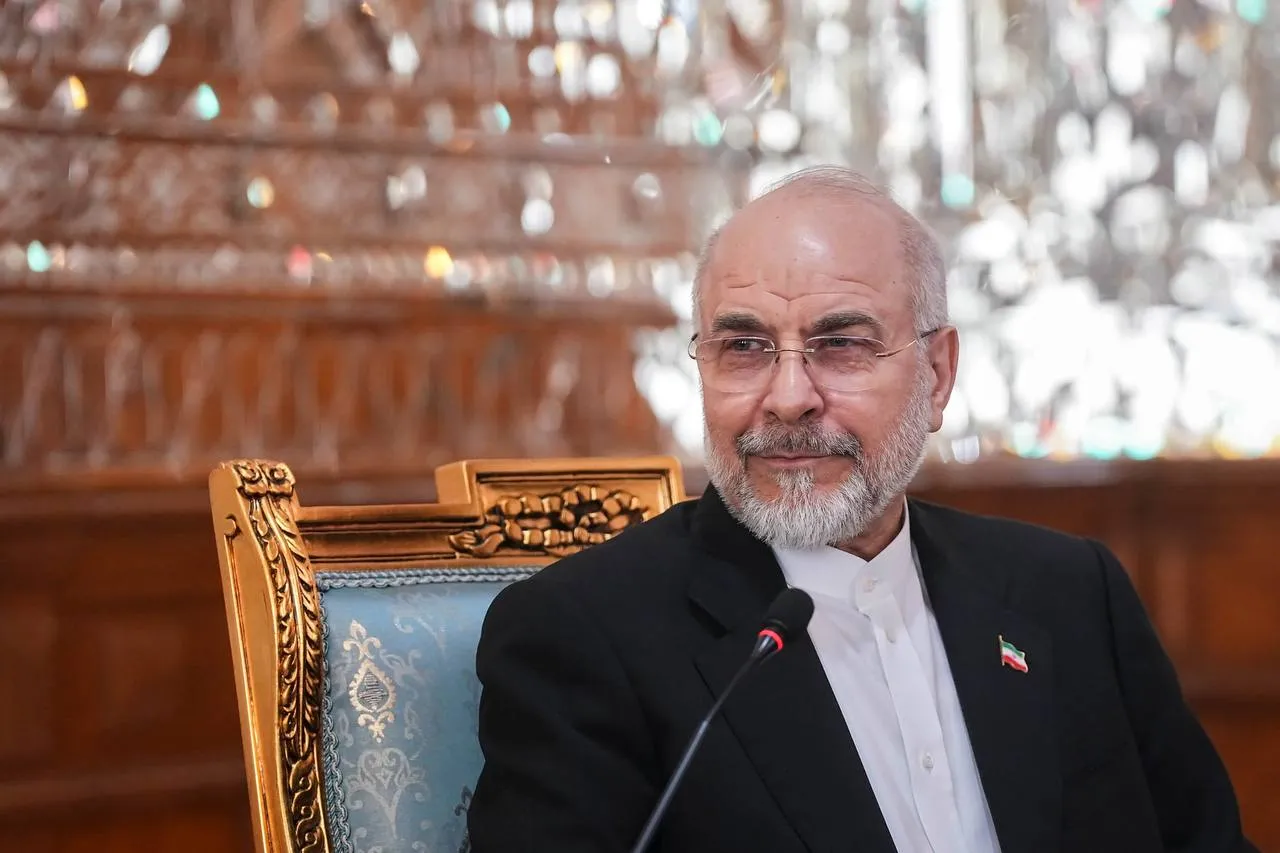

Iran’s chief negotiator Mohammad Bagher Ghalibaf said on Tuesday that the Strait of Hormuz will now be administered by Tehran under international law, as he hailed what he described as key gains from the latest round of US-Iran talks in Switzerland.
Speaking after returning from negotiations at the Burgenstock resort, Ghalibaf said the strategic waterway would not return to pre-war conditions. According to Iranian state media, he declared that the Islamic Republic would oversee the strait in line with international law. In a video posted on his Telegram account, he also described the talks as productive, pointing to progress on the Strait of Hormuz, Lebanon, oil waivers and the release of frozen Iranian funds.
The comments came a day after Iran and the United States agreed to establish direct communication lines aimed at preventing incidents in the strait and ensuring the safe passage of commercial vessels. Mediators from Qatar and Pakistan said the arrangement was part of wider efforts to stabilise the region and support negotiations to end the war involving Iran, the United States and Israel.
Talks produce movement on sanctions, shipping and Lebanon
Ghalibaf said the discussions had delivered “good achievements,” especially on the future administration of the strait, the situation in Lebanon, and economic relief measures. Meanwhile, Washington suspended sanctions on Iranian oil after US Vice President JD Vance said Tehran had agreed to allow UN nuclear inspectors to return.
Under the broader framework, Iran is also expected to receive partial sanctions relief and access to some previously frozen assets.
Hormuz remains central to fragile diplomatic process
Although Iran reopened the strait last week after an initial understanding with Washington, it closed the route again on Saturday in response to Israeli attacks in Lebanon. Since then, both sides have moved to set up a communication channel to avoid miscalculation and keep maritime traffic flowing.
Tracking firms said commercial traffic through the strait continued on Monday at a faster pace than before the latest round of talks, suggesting that shipping activity has so far remained resilient despite the renewed tensions.

