

BERLIN: German Chancellor Friedrich Merz has pledged to strengthen Germany’s role in Europe and transform the country into the continent’s largest conventional military power by 2039. However, analysts argue that Berlin’s economic approach toward China reveals inconsistencies that could undermine its broader leadership ambitions.
The debate intensified following the recent visit of German Economy Minister Katherina Reiche to China. Her trip to Beijing at the end of May highlighted what critics describe as a growing gap between Germany’s strategic goals and its economic policies.
Notably, Reiche’s meetings with Chinese officials, including Vice Premier He Lifeng and Commerce Minister Wang Wentao, coincided with the unveiling of the European Union’s revised China strategy in Brussels.
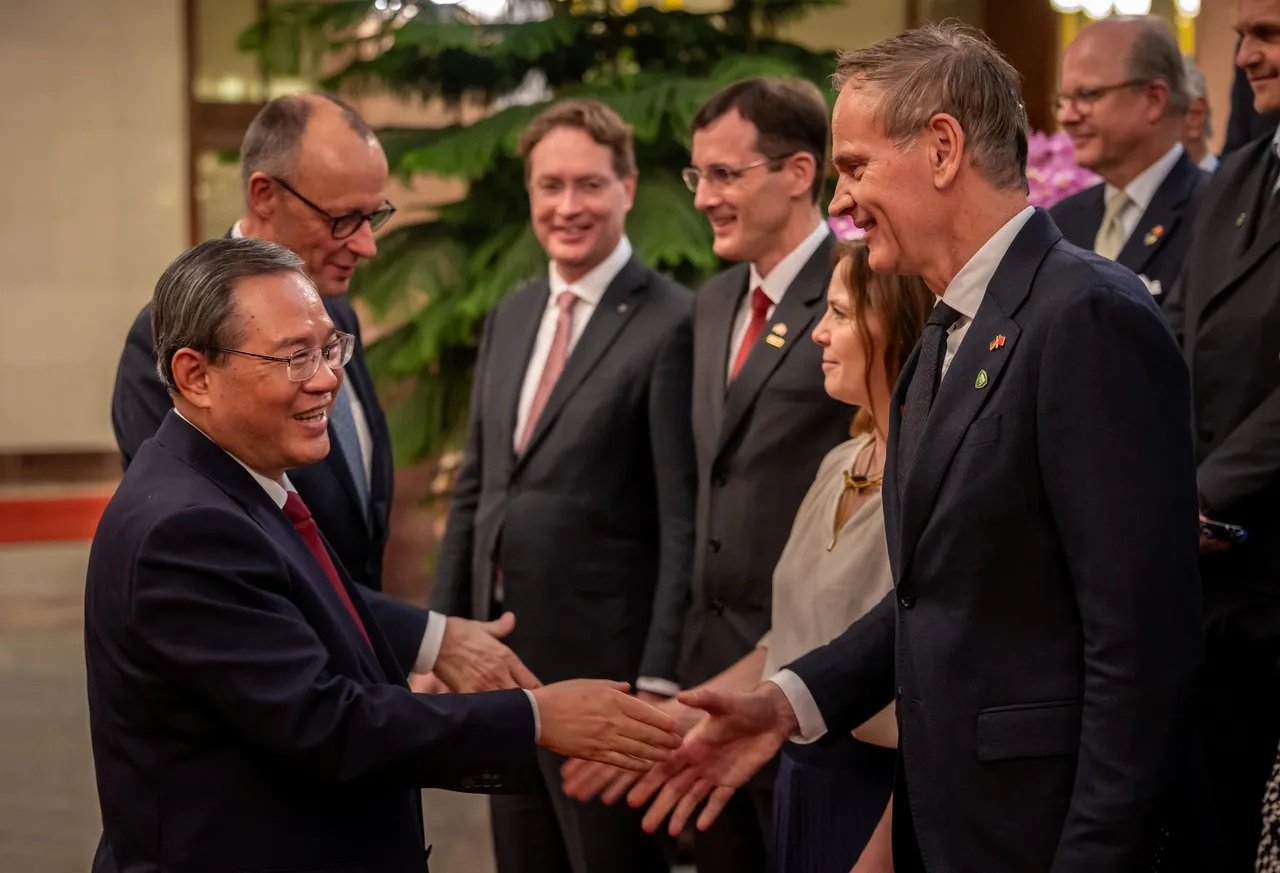
While the European Commission introduced measures aimed at addressing industrial overcapacity and strengthening economic resilience, Germany sent a high-level business delegation to Beijing. The delegation included executives from major companies such as BASF, Thyssenkrupp, and Siemens Energy.
Observers say the contrasting approaches highlight a broader divide within Europe. Brussels is increasingly focused on reducing strategic vulnerabilities and protecting European industries, whereas Berlin continues to emphasize stable commercial relations with China.
At the same time, concerns are growing over the impact of what some economists call “China Shock 2.0.” A recent report by the Centre for European Reform argues that China’s state-driven economic model creates challenges for European industries operating within the EU’s market-based framework.
Germany’s export-oriented economy remains heavily linked to Chinese markets, making any shift in policy particularly sensitive. Consequently, Berlin faces the difficult task of balancing economic interests with growing calls across Europe for a more coordinated and assertive approach toward Beijing.
The debate is expected to remain central to European policymaking as the EU seeks to strengthen its economic competitiveness while managing its complex relationship with China.

