
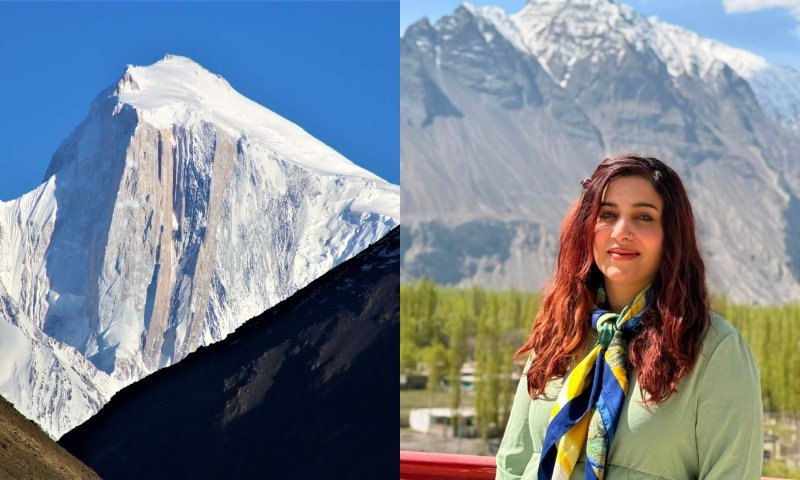

ISLAMABAD: Pakistani mountaineer Asma Mushtaq has died after suffering a serious medical emergency while descending Spantik Peak in Gilgit-Baltistan.
Mushtaq had successfully reached the 7,027-metre summit before becoming critically ill at an altitude of around 6,400 metres.
Asma Mushtaq Dies During Spantik Descent
“Asma Mushtaq, who had successfully reached the 7,027-metre summit of Spantik, developed a serious high-altitude medical problem at an elevation of about 6,400 metres during the descent,” according to a statement by Karakoram Calling Treks.
Mushtaq climbed Spantik alongside her mountain guide, Akbar Ali. She was reportedly in good health when she reached the summit.
Her guide and another expedition guide, Muhammad Amin, assisted her after she became ill. They continued their efforts despite difficult weather and extreme high-altitude conditions.
“Despite all efforts and the assistance provided at the site, Asma Mushtaq could not survive,” the company said in a statement.
The trekking company said its guides made every possible effort to protect and assist Mushtaq following the medical emergency.
The company is also coordinating with relevant authorities and Mushtaq’s family. The arrangements following her death are expected to continue with their assistance.
Spantik Peak and Its Mountaineering Challenges
Spantik, also known as Golden Peak, stands at 7,027 metres in the Karakoram mountain range.
The peak remains a prominent destination for mountaineering expeditions in northern Pakistan. However, climbing at such extreme elevations carries serious risks.
The incident occurred during Pakistan’s summer climbing season. During this period, mountaineers and trekkers travel to several high-altitude peaks across the Karakoram.
Karakoram Calling Treks expressed condolences to Mushtaq’s family, friends and relatives. It also praised the guides for their efforts under challenging conditions.
Body of Mountaineer Sohail Sakhi Recovered
Mushtaq’s death comes after another recent tragedy in the Karakoram.
The body of Pakistani mountaineer Sohail Sakhi was recovered after he went missing during an avalanche on Broad Peak last month.
Three porters from Shigar — Abuzar Ali, Muhammad Bashir and Muhammad Nadeem — located his body at the avalanche site. They reportedly worked for several hours through snow and debris without modern rescue equipment.
The porters eventually recovered Sakhi’s body and moved it to a safe location.
Broad Peak Avalanche Left Several Climbers Missing
Sakhi was among 10 mountaineers reported missing after an avalanche struck Broad Peak on July 30.
Standing at 8,051 metres, Broad Peak is the world’s 12th-highest mountain. It is also considered one of the technically challenging peaks in Pakistan’s Karakoram region.
Search and rescue teams launched operations following the avalanche. Authorities later recovered the bodies of eight missing mountaineers.
Sakhi and a Nepali climber remained unaccounted for at that stage. His recovery has now reduced the number of missing climbers from the disaster to one.
Alpine Club of Pakistan spokesperson Naila Kiani also confirmed Sakhi’s recovery in a social media post.
Nepali Mountaineer Nirmal Purja Also Killed
The Broad Peak disaster also claimed the life of renowned Nepali mountaineer Nirmal “Nimsdai” Purja.
Purja, who was 43, was among the climbers caught in the avalanche during the expedition. He was widely recognised for his achievements on some of the world
‘s highest mountains.
Elite Exped, which organised the expedition, previously confirmed his death. The company expressed “profound sadness and immense heartbreak” over the loss of Purja and other expedition members.
The recent deaths of Mushtaq and other climbers highlight the unpredictable dangers of high-altitude mountaineering. Even successful summit attempts can become life-threatening during the descent, when climbers face rapidly changing weather and extreme conditions.

