
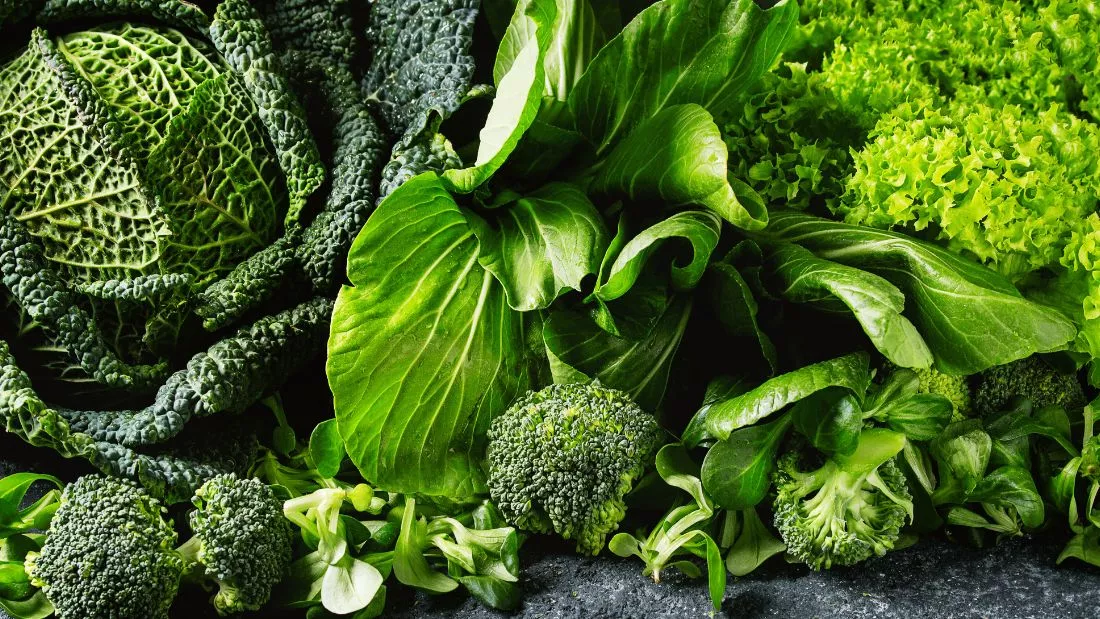

Lettuce Is Healthy, but These Greens Offer More
Lettuce is a popular choice for salads, sandwiches and light meals. It provides important nutrients such as vitamins A, C, E and K. It also contains useful plant compounds, including polyphenols, carotenoids and chlorophyll.
However, several leafy greens offer higher levels of essential vitamins, minerals and antioxidants than lettuce. These foods can be stronger options for people who want to improve the nutrient value of their daily meals.
Watercress is often ranked among the most nutrient-dense vegetables. It provides high levels of vitamin K, vitamin C, calcium, potassium and magnesium while remaining very low in calories. It also contains natural compounds linked with antioxidant and anti-inflammatory effects.
Kale is another powerful leafy green. It is rich in vitamin K, vitamin C, folate, potassium and magnesium. Unlike lettuce, kale also contains glucosinolates, which are plant compounds found in cruciferous vegetables. These compounds have been studied for their possible role in supporting heart health and lowering inflammation.
Spinach and Collard Greens Add More Minerals and Antioxidants
Spinach is one of the most commonly used leafy greens and offers more nutrients than lettuce in several areas. It provides higher amounts of vitamin K, vitamin C, folate, calcium and potassium.
Spinach also contains beta carotene, lutein, zeaxanthin and flavonoids. These plant compounds may help protect the body from oxidative stress and inflammation.
Another benefit of spinach is its natural nitrate content. Nitrates may support healthy blood pressure and heart function when consumed as part of a balanced diet.
Collard greens are also more nutrient-dense than lettuce. They provide very high levels of vitamin K, vitamin C, vitamin A and calcium. Their calcium content is especially useful for people looking for non-dairy sources of this mineral.
Collard greens also retain chlorophyll well, even when used in processed or prepared foods. Chlorophyll has antioxidant activity and may help protect cells from damage.
Swiss Chard Stands Out for Vitamin K and Heart-Supporting Minerals
Swiss chard is less common than lettuce, but it offers impressive nutrition. It is especially rich in vitamin K and also provides strong amounts of vitamin C, calcium, magnesium and potassium.
Magnesium and potassium are important minerals for heart health. They may help support healthy blood pressure and normal muscle function.
Swiss chard also contains betalains, which are antioxidant pigments more commonly linked with beets. These compounds have been studied for their role in fighting oxidative stress and inflammation.
Together, watercress, kale, spinach, collard greens and Swiss chard provide more concentrated nutrition than lettuce. They can be added to salads, soups, smoothies, wraps and cooked meals.
Lettuce can still be part of a healthy diet. It is light, refreshing and easy to use. But people who want more nutrients in fewer servings may benefit from rotating these stronger leafy greens into their meals.
Choosing a variety of greens can improve vitamin intake, mineral balance and antioxidant support. It can also make meals more colorful, filling and beneficial for long-term health.

