
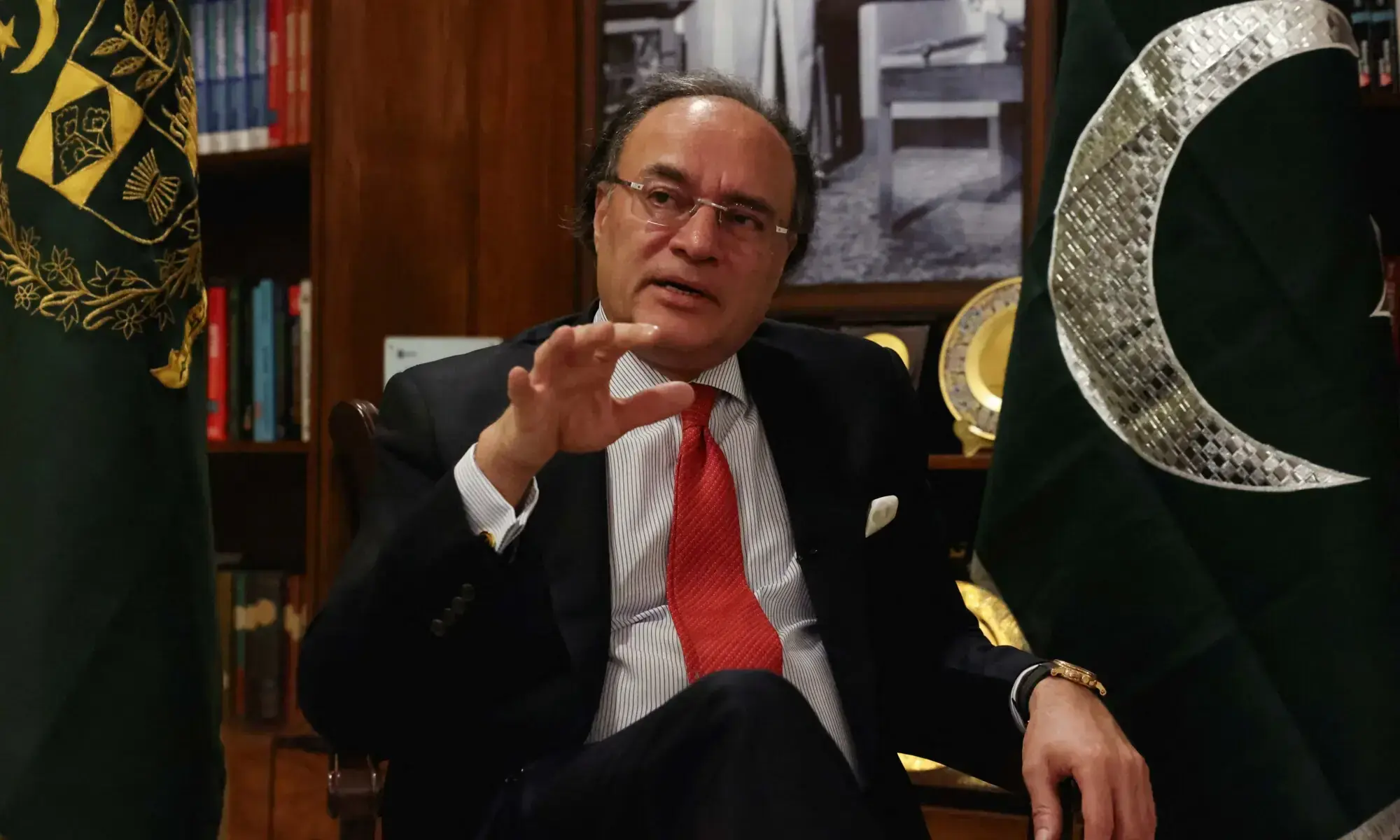

Finance Minister Muhammad Aurangzeb is expected to arrive in Washington on Saturday for a vital three-day visit. During this trip, he will hold high-level talks on trade, finance, and investment.
The visit comes as Pakistan and the United States continue negotiations on a broader bilateral economic partnership.
According to diplomatic sources, Aurangzeb will meet with several key American institutions. His busy schedule includes meetings with the Office of the United States Trade Representative (USTR) and the US Export-Import (Exim) Bank. Additionally, he will engage with the US International Development Finance Corporation (DFC) and the International Monetary Fund (IMF).
Navigating the Shifting Tariff Landscape
A primary focus of this visit involves negotiating a potential bilateral trade agreement. Both nations want to expand market access, adjust tariffs, and uncover new private-sector investment opportunities.
These meetings follow a complex series of global tariff adjustments. Originally, a global tariff regime imposed a 29 percent tariff on Pakistani exports. However, a Pakistani delegation successfully persuaded US officials to reduce that number to 19 percent last year.
Recently, the tariff landscape shifted again after a US Supreme Court ruling invalidated those initial measures. In response, the US administration applied a temporary 10 percent global tariff. This temporary measure is officially due to expire on July 24.
Meanwhile, Pakistan is also addressing a separate USTR investigation under Section 301 regarding trade practices. Under this ongoing process, Pakistan faces a proposed 10 percent tariff, which is lower than the 12.5 percent tariff proposed for India.
Securing Funding for Energy and Infrastructure
Beyond navigating these complex tariff discussions, Aurangzeb plans to secure critical funding for development. His meetings with the Exim Bank and the DFC will explore new avenues for financing large projects. Specifically, Pakistan wants to boost infrastructure, green energy, and private-sector growth.
This trip builds upon Aurangzeb’s previous visit to Washington in April. During that earlier tour, he participated in over 50 meetings to present Pakistan’s economic reform program. He also shared plans to re-enter international capital markets using Panda Bonds and Eurobonds.
Ultimately, this upcoming three-day visit represents a major step forward for Pakistan. The government hopes these discussions will restore macroeconomic stability and build a lasting economic alliance with the United States.

