
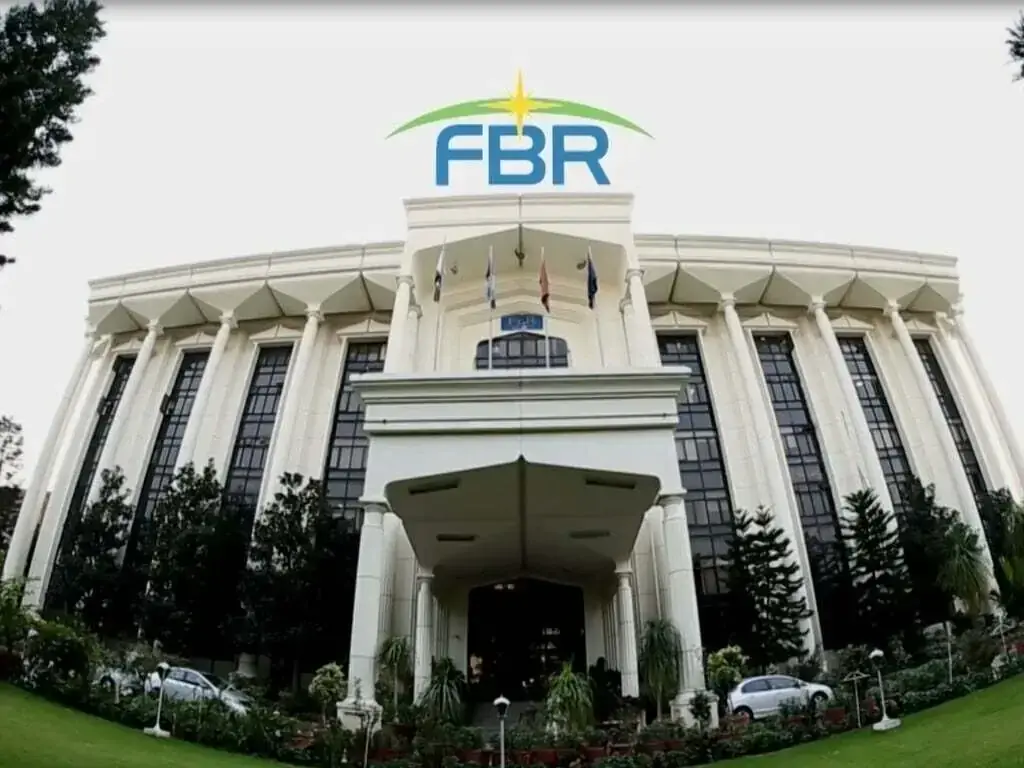

The Federal Board of Revenue has attached the bank accounts of the state-run Universal Service Fund. The move follows a disputed withholding tax demand of Rs23.23 billion.
As a result, payments for ongoing telecom infrastructure projects in rural areas have been stopped. This has raised concerns over delays in digital connectivity expansion.
Tax Demand Covers Multiple Years
Officials stated that the Deputy Commissioner Inland Revenue (Audit) issued assessment orders. These orders cover tax years from 2015 to 2023.
The total demand stands at Rs23.23 billion. Authorities based the claim on disallowed subsidy expenses linked to telecom development projects.
They argued that certain expenditures did not comply with withholding tax regulations.
USF Rejects Tax Liability Claim
The Universal Service Fund has rejected the tax demand. It argues that its subsidy payments are exempt from withholding tax under existing rules.
The fund further stated that telecom operators receiving subsidies have already fulfilled tax obligations. These payments were made through competitive bidding mechanisms.
USF maintains that double taxation should not apply to the same financial transactions.
Impact on Rural Telecom Expansion Projects
The account freeze has immediately disrupted telecom development projects in underserved regions. These projects aim to expand mobile and internet access in rural Pakistan.
The suspension of funds may slow down infrastructure rollout. This includes network towers, connectivity upgrades, and service expansion in remote areas.
Stakeholders warn that delays could widen the digital divide between urban and rural populations.
Role and Funding of the Universal Service Fund
The Universal Service Fund is a government-established body. It works to support telecom expansion in areas where private operators avoid investment due to low profitability.
It is funded through a mandatory 1.5% contribution from annual gross revenues of licensed telecom operators.
These funds are specifically used to finance connectivity projects in unserved and underserved regions.
Ongoing Legal and Financial Uncertainty
The dispute remains unresolved as both sides maintain opposing positions. The FBR continues to uphold its tax assessment, while USF contests its legality.
Until a resolution is reached, rural telecom expansion may face continued financial pressure. This has created uncertainty for ongoing and planned infrastructure initiatives.
Conclusion
The freezing of USF accounts marks a significant setback for rural telecom development in Pakistan. The outcome of the tax dispute will determine the future pace of digital expansion in remote regions.

