
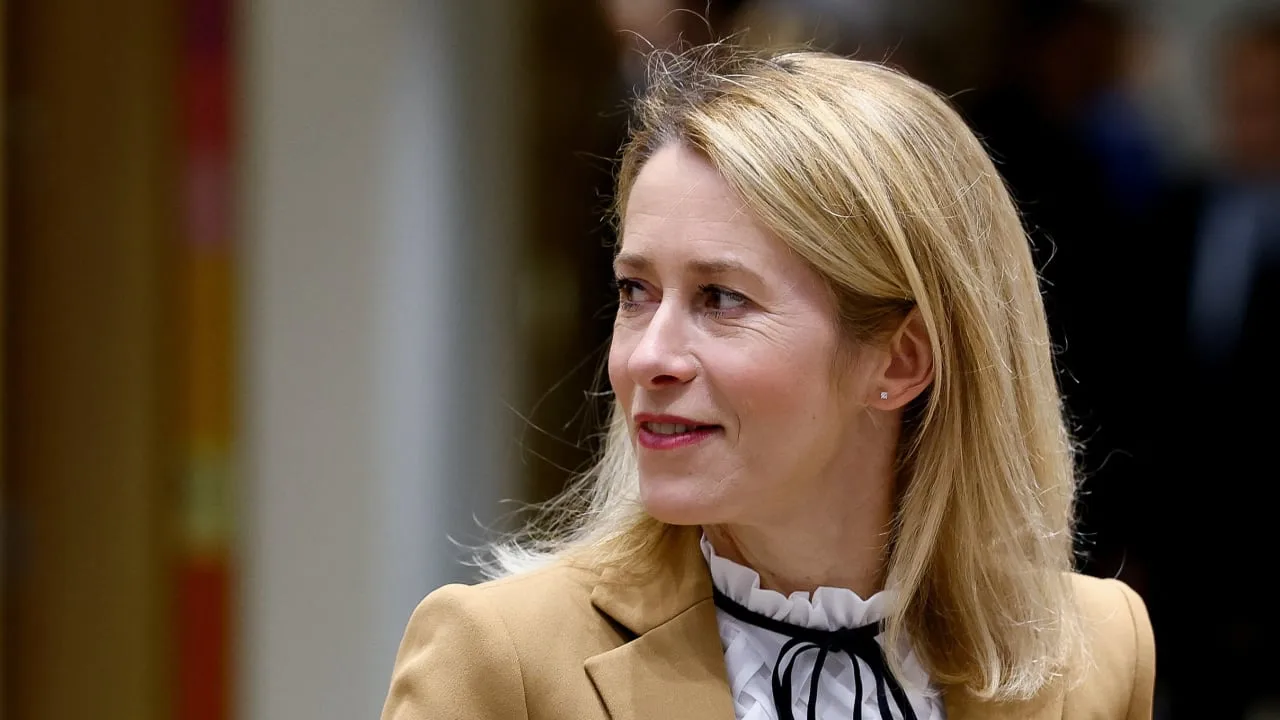

Foreign policy chief says autumn measures could increase sanctioned Russian entities by one-third as Ukraine war continues
BRUSSELS: The European Union plans to significantly expand sanctions against Russia in the coming months, with EU foreign policy chief Kaja Kallas preparing what she described as the bloc’s most extensive sanctions listings since the war in Ukraine began.
Speaking to German newspaper Die Welt, Kallas said existing European sanctions had already imposed substantial economic costs on Moscow and weakened resources available for its military campaign.
She claimed EU restrictions had deprived Russia’s “war machine” of more than €1 trillion and said Brussels must continue increasing economic pressure until Moscow ends the conflict.
New Listings Could Expand Sanctions by One-Third
Kallas said she intends to propose the new sanctions listings during the autumn. If EU member states approve the measures, the total number of sanctioned Russian entities would immediately increase by approximately one-third.
However, she did not provide specific details about the individuals, companies or sectors that could face restrictions. She also stopped short of announcing a precise timetable for presenting or adopting the package.
Nevertheless, her remarks signal that Brussels intends to maintain sanctions as a central element of its strategy against Russia despite the prolonged conflict.
“The pressure must keep growing until Moscow ends its war,” Kallas told the newspaper.
Banking and Cryptocurrency Networks Already Targeted
Meanwhile, the EU has steadily expanded its economic restrictions since the outbreak of the Russia-Ukraine war, targeting financial institutions, businesses, individuals and industries connected with Moscow.
In July, the bloc approved its latest sanctions package against Russia, introducing additional restrictions on the Russian banking sector and cryptocurrency networks.
Those measures formed part of broader European efforts to restrict Moscow’s access to international financial systems and reduce its ability to finance military operations.
Consequently, the planned autumn package could mark another major escalation in the EU’s economic campaign against Russia, although negotiations among member states will determine the final scope and implementation of the proposed restrictions.

