
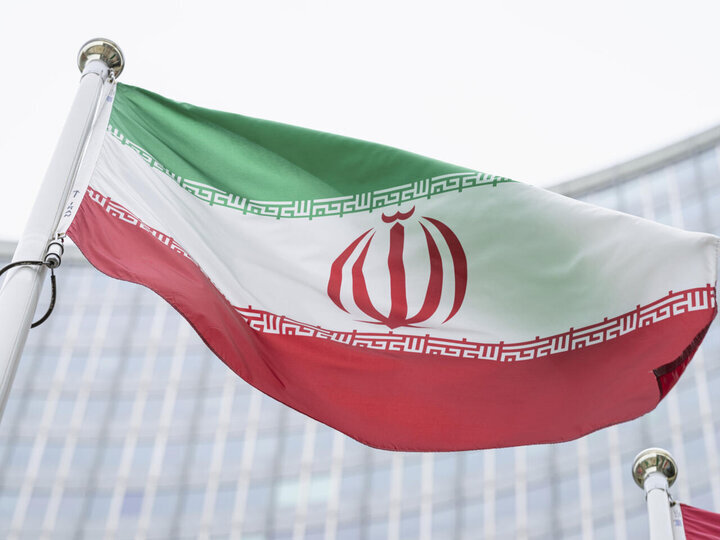

Open market rate doubles as investors rush to buy Iranian currency, ECAP chief says
KARACHI: Demand for the Iranian rial has surged sharply in Pakistan following reports of a 60-day peace agreement between Iran and the United States, pushing the currency’s open market value up by around 100 percent in just five days, according to the Exchange Companies Association of Pakistan (ECAP).
ECAP Chairman Malik Bostan said Pakistani buyers have purchased Iranian rials worth an estimated Rs3 trillion over the past week, with much of the demand coming from middle-income investors and currency traders betting on a further rise in the Iranian currency.
The sudden rush has significantly altered the rial’s value in Pakistan’s open market. According to Bostan, 10 million Iranian rials, which previously sold for about Rs2,000, are now trading at nearly Rs4,000.
He said the spike in demand began after reports emerged suggesting Tehran and Washington had moved closer to a potential agreement, prompting speculation that improved diplomatic conditions could strengthen Iran’s economy and, in turn, its currency.
Investors pile into rial after diplomatic breakthrough reports
Bostan said the market reaction reflected investor expectations that any easing of tensions between Iran and the United States could eventually improve trade flows, reduce economic pressure on Tehran and support the rial’s long-term value.
He noted that the scale of buying over a short period had transformed the open market, with exchange rates moving rapidly as demand intensified.
ECAP urges public to use licensed exchange companies
At the same time, the ECAP chief warned the public against dealing with unlicensed operators amid the sharp rise in rial trading. He advised buyers and sellers to carry out all currency transactions only through licensed exchange companies in order to avoid fraud, illegal dealings and possible financial losses.
The development comes as currency traders in Pakistan continue to respond quickly to geopolitical events, particularly those involving neighbouring Iran, where any change in sanctions, trade prospects or diplomatic ties can immediately influence sentiment in the local open market.

