
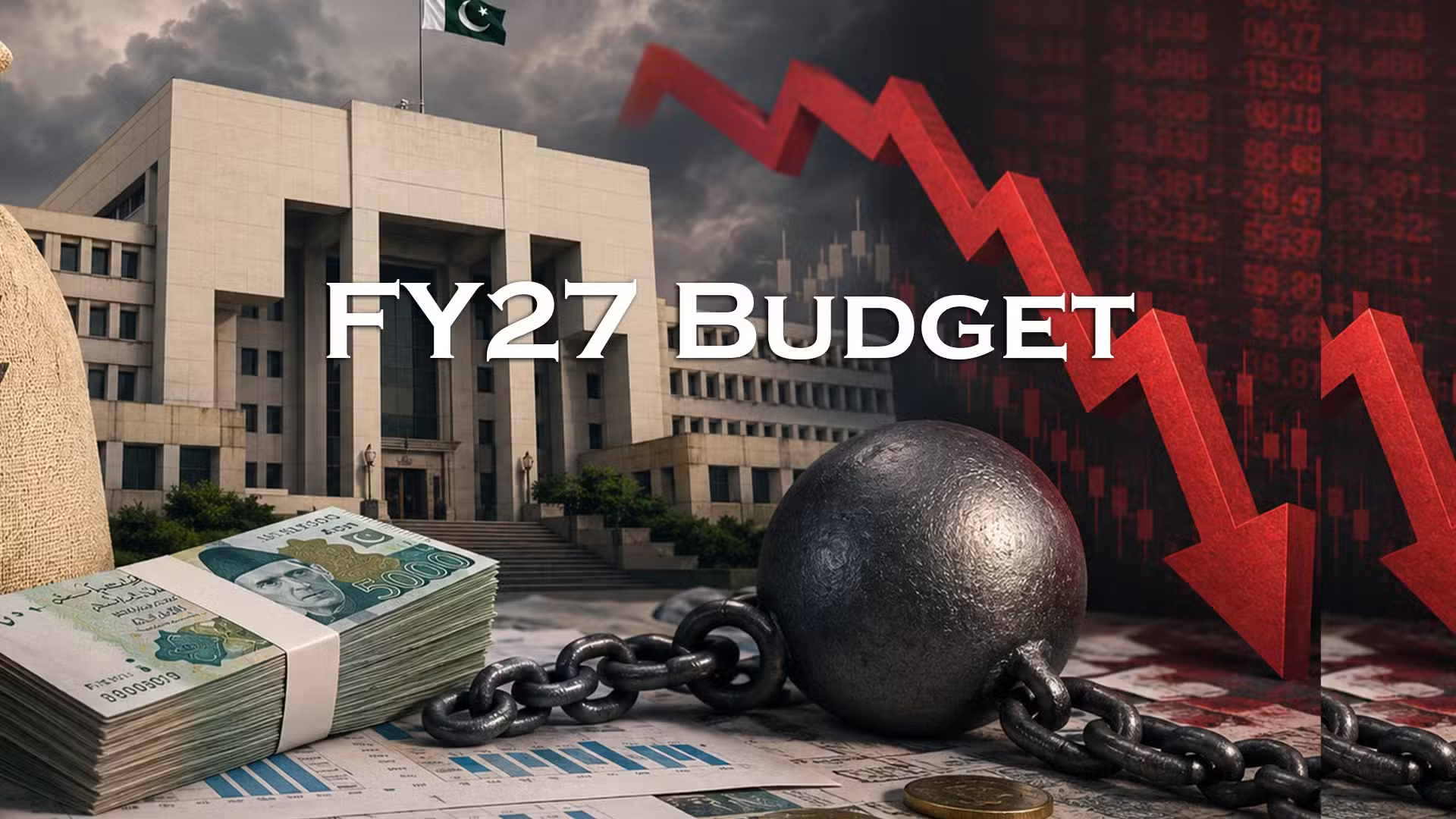

ISLAMABAD: The federal government has proposed a budget of Rs18.771 trillion for the fiscal year 2026-27, emphasizing fiscal consolidation, deficit reduction and compliance with commitments under the International Monetary Fund (IMF) programme.
According to budget documents, debt servicing will account for the largest share of federal spending, consuming approximately 42 percent of total expenditures. The government has projected a federal budget deficit of Rs7.02 trillion for the upcoming fiscal year.
However, expected provincial surpluses of Rs1.794 trillion are projected to reduce the consolidated fiscal deficit to Rs5.226 trillion. Officials estimate the overall fiscal deficit will stand at 3.6 percent of GDP, with Pakistan’s nominal GDP projected at Rs143.604 trillion.
The government has also targeted a primary surplus of Rs2.828 trillion, equivalent to 2 percent of GDP, fulfilling a key IMF requirement.
Revenue Collection and Financing Strategy Detailed
On the revenue side, the Federal Board of Revenue (FBR) has received a tax collection target of Rs15.264 trillion for FY2026-27. Additionally, non-tax revenues are expected to generate Rs5.336 trillion, bringing total gross federal revenues to approximately Rs20.6 trillion.
After transferring Rs8.848 trillion to provinces under the National Finance Commission (NFC) Award, the federal government expects net revenue receipts of Rs11.751 trillion.
To meet financing requirements, authorities plan to raise Rs4.012 trillion through treasury bills, Pakistan Investment Bonds (PIBs) and Sukuk instruments. Furthermore, privatization proceeds worth Rs161 billion have been incorporated into the fiscal plan.
Defense, Pensions and Subsidies Receive Major Allocations
The expenditure framework allocates Rs3 trillion for defense spending, while pension obligations are projected at Rs1.169 trillion. The government has also earmarked Rs1.091 trillion for subsidies and Rs1.071 trillion for civil government operations.
In addition, Rs430 billion has been allocated for emergency expenditures and contingencies to address unforeseen challenges during the fiscal year.
Officials say the budget reflects efforts to maintain economic stability, support essential government functions and meet international financial commitments. The proposed fiscal framework aims to balance expenditure needs with revenue generation while sustaining progress on deficit reduction and broader economic reforms.

