
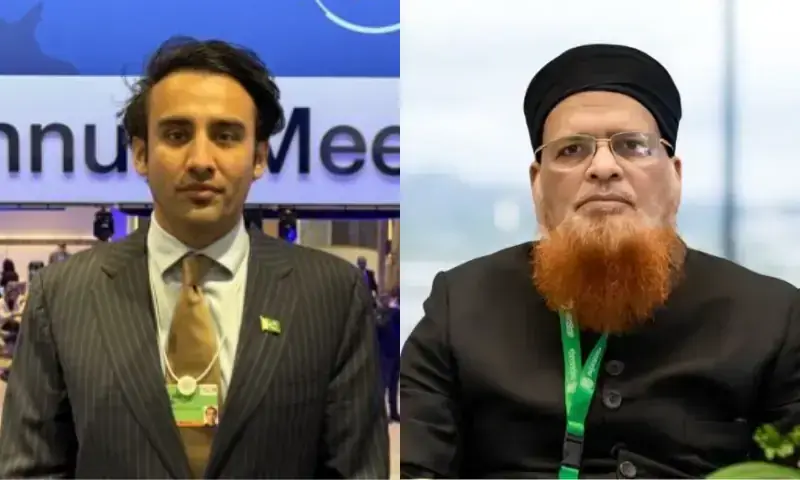

Pakistan’s Virtual Assets Regulatory Authority (PVARA) is working with Islamic scholars to clarify the Shariah status of different digital assets. The effort aims to distinguish speculative cryptocurrencies from asset-backed digital tokens as Pakistan develops its digital finance framework.
PVARA Chairman Bilal bin Saqib said discussions are underway with Jamia Darul Uloom after the seminary issued a religious ruling on cryptocurrencies last month.
Fatwa Raises Questions About Cryptocurrency
On June 10, Mufti Taqi Usmani and six other scholars issued a fatwa stating that purchasing goods with cryptocurrency is not permissible under Islamic law.
The ruling described cryptocurrency as “merely the recording of fictitious numbers in an account” and questioned whether such digital assets qualify as recognised wealth under Shariah principles.
The fatwa has sparked debate because Pakistan remains one of the world’s most active retail cryptocurrency markets.
PVARA Calls for Individual Assessment of Digital Assets
Bilal bin Saqib believes digital assets should not be treated as a single category. Instead, each type should undergo an independent Shariah assessment based on its underlying characteristics.
He said, “The central question the fatwa raises is whether a digital asset constitutes recognised wealth under Shariah. That is precisely the right question, and it is why these instruments must be examined individually.”
According to Saqib, blockchain-recorded sukuk represent ownership in real, income-generating assets. Likewise, gold-backed tokens and fully reserved stablecoins provide claims on tangible assets that users can redeem.
He also explained that blockchain technology itself serves as a secure record-keeping and verification system rather than a financial asset.
Speculative Tokens Require Greater Caution
While supporting the evaluation of asset-backed digital products, Saqib acknowledged concerns surrounding speculative cryptocurrencies.
He said purely speculative tokens without underlying assets should receive careful scrutiny, adding that scholars’ concerns deserve serious consideration.
Furthermore, he emphasized continued cooperation between regulators and religious scholars as Pakistan develops licensing rules for digital assets, stablecoins, and tokenised real-world assets.
Saqib stated, “We will continue working closely with our scholars as Pakistan develops its licensing framework and advances work on stablecoins and real-world asset tokenisation.”
He added, “Pakistan has the opportunity to lead the world in Shariah-compliant digital finance, and that leadership must be built with our scholars.”
Industry Watches the Impact of the Fatwa
Financial experts believe the current religious ruling could influence the pace of cryptocurrency adoption, particularly within the formal banking sector.
However, early market observations suggest trading activity has remained largely stable despite the fatwa.
Earlier this month, Bilal bin Saqib also confirmed holding discussions with Mufti Taqi Usmani regarding the Shariah status of blockchain technology, digital assets, stablecoins, and tokenised real-world assets.
As Pakistan continues building its regulatory framework, ongoing dialogue between policymakers and religious scholars is expected to shape the future of Shariah-compliant digital finance in the country.

