

Flight Returns to Terminal Over Safety Concern
A Porter Airlines flight from Victoria to Toronto was cancelled after a young child refused to remain seated with a secured restraint before takeoff.
The incident occurred on Thursday, August 6, aboard Porter Airlines flight PD444 at Victoria International Airport in British Columbia.
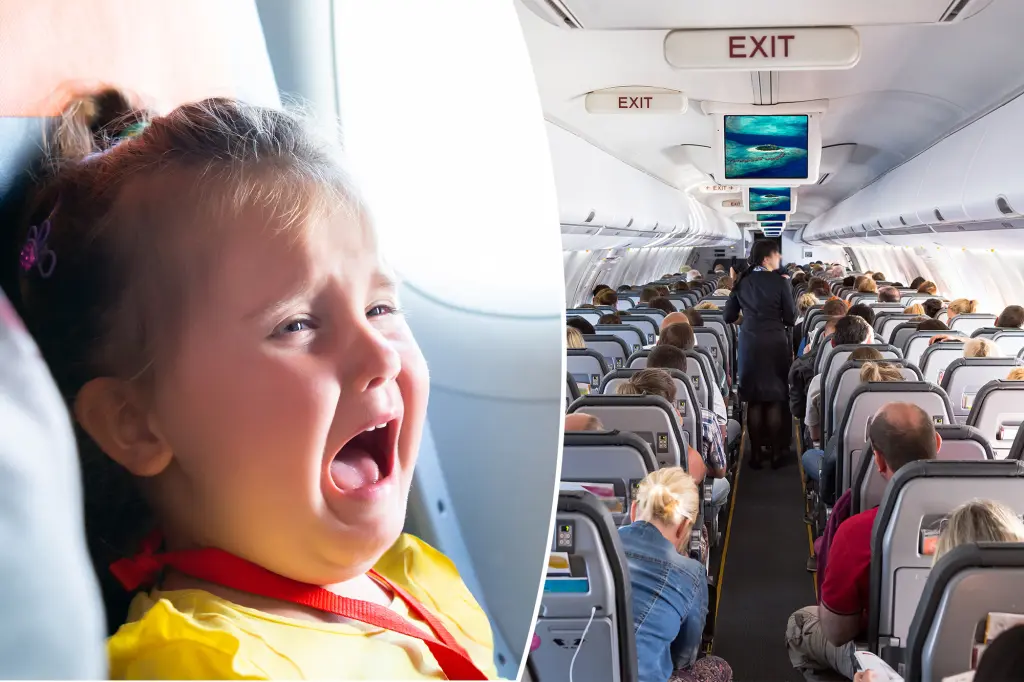
The aircraft had already left the terminal and was moving towards the runway when cabin crew noticed the toddler standing on their seat.
According to Porter Airlines, the child would not remain properly secured despite attempts by the parents and a crew member to resolve the situation.
The airline determined that the aircraft could not safely take off under those conditions.
The pilots therefore returned the aircraft to the terminal.
The family involved in the incident was asked to leave the flight.
Porter Airlines said the decision was made because passengers must be properly secured during critical stages of flight, including taxiing and takeoff.
Delay Pushes Flight Beyond Victoria Runway Closure
The unexpected return to the terminal created a lengthy delay for the other passengers.
The family had to leave the aircraft, while operational procedures also had to be completed before the flight could depart again.
By that point, it was after 12:30 a.m., when the relevant runway at Victoria International Airport closed for the night.
The airline was unable to complete the flight as originally scheduled.
Passengers were forced to remain in Victoria overnight before new travel arrangements could be made.
Porter Airlines later apologised for the impact the cancellation had on customers.
The airline arranged a replacement flight for the affected passengers on Friday.
Published flight-tracking reports indicate that the replacement journey ultimately departed the following day. Reports differed over some precise timing details, but the flight successfully reached Toronto after the overnight disruption.
The family involved has not been publicly identified.
Airline Rules Require Children to Be Safely Restrained
The incident has also drawn attention to aviation safety requirements for young children.
Porter Airlines states that an approved child safety seat or restraint device is mandatory when an infant under two years old occupies a separate aircraft seat.
For older small children, use of an approved restraint depends on the manufacturer’s weight and size requirements.
The airline says approved child restraints provide greater protection during takeoff, landing and unexpected turbulence.
Transport Canada also strongly recommends that infants and young children travel in an approved child restraint system whenever possible.
However, Canadian rules still allow children under two to travel on an accompanying adult’s lap in certain circumstances. An approved child seat is therefore strongly recommended by Transport Canada rather than universally required for every infant passenger.
For flight crews, the immediate issue before departure is whether every passenger is safely positioned and secured according to applicable requirements.
An aircraft cannot proceed with takeoff when cabin safety conditions have not been met.
In the case of PD444, the unresolved seating issue resulted in the aircraft returning to the gate. The subsequent delay then pushed the operation beyond the airport’s available runway period.
What began as a seatbelt issue involving one passenger ultimately disrupted the travel plans of an entire aircraft.
Porter Airlines maintained that safety had to take priority despite the inconvenience caused to other passengers.

