
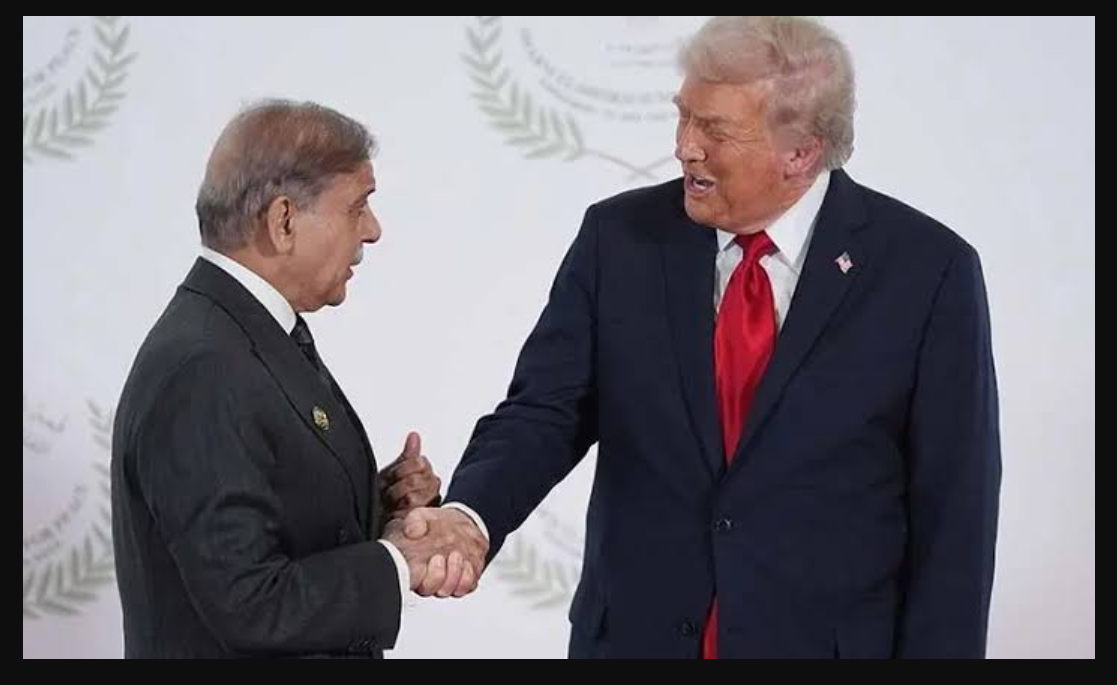

Pakistan has signed a two-year lobbying agreement with a Washington-based firm to strengthen security cooperation with the United States and attract investment into its strategic minerals sector. The contract reflects Islamabad’s efforts to build broader institutional ties with Washington while expanding economic collaboration.
According to the agreement, the government has hired the Capitol Hill-headquartered Ervin Graves Strategy Group under a two-year contract worth $1.2 million. The agreement began in May and focuses on enhancing engagement with key US institutions and promoting Pakistan’s strategic priorities.
Agreement Focuses on Security and Strategic Cooperation
Under the contract, Ervin Graves Strategy Group will engage with members of the US Congress and government agencies. The firm will also facilitate meetings with officials from the Pentagon and the National Security Council.
Furthermore, the agreement aims to support efforts for the resumption of high-level bilateral defence and security dialogue mechanisms between Pakistan and the United States.
The contract specifically calls for work on the possible revival of the Defence Consultative Group (DCG), which previously served as an important platform for security cooperation during the Afghanistan conflict.
In addition, the agreement directs the lobbying firm to highlight “threats emanating from Afghanistan” and “promote continued US support for Pakistan’s counterterrorism efforts.”
Government Seeks Stronger Institutional Relations
The agreement comes during a period that officials consider important for strengthening long-term Pakistan-US relations. Rather than relying only on leadership-level engagement, Islamabad appears focused on developing broader institutional cooperation.
A source familiar with the matter said Pakistan’s role in facilitating US-Iran negotiations during June created an opportunity to expand bilateral engagement.
The source stated, “We want to go beyond personal relationships so that the relationship becomes more institutionally based and can outlast changes in government.”
Meanwhile, a US State Department spokesperson said the two countries “continue to identify areas of cooperation that benefit our nations related to trade and some security priorities.”
Minerals Sector Receives Special Attention
The lobbying agreement also places significant emphasis on Pakistan’s minerals sector. It instructs the firm to “support efforts to identify opportunities for cooperation” and recommends identifying potential investors for future projects.
Additionally, the contract directs the lobbying group to “provide recommendations” regarding Pakistan’s policy framework and investment engagement strategies.
Pakistan is seeking greater international investment in its mineral resources, particularly as demand continues to grow for critical minerals used in advanced technologies and clean energy industries.
The country’s vast mineral reserves, especially in Balochistan, remain a key area of international interest because of their long-term economic potential.
Defence Cooperation Remains a Priority
Although security cooperation has changed since the withdrawal of US forces from Afghanistan in 2021, Pakistan continues to pursue closer defence engagement with Washington.
The agreement reflects Islamabad’s intention to revive structured security dialogue while expanding cooperation in areas of mutual interest.
At the same time, the contract highlights Pakistan’s desire to strengthen cooperation beyond short-term diplomatic engagement by building more durable institutional relationships.
Investment and Strategic Partnership
Besides defence cooperation, the agreement aims to improve Pakistan’s investment profile in the United States. By promoting opportunities in the minerals sector, Islamabad hopes to attract greater foreign investment while strengthening economic ties.
The lobbying initiative represents another step in Pakistan’s broader strategy to deepen cooperation with Washington in security, trade, and strategic investment. At the same time, it reflects the country’s effort to build lasting partnerships that can continue beyond political changes in either country.

