
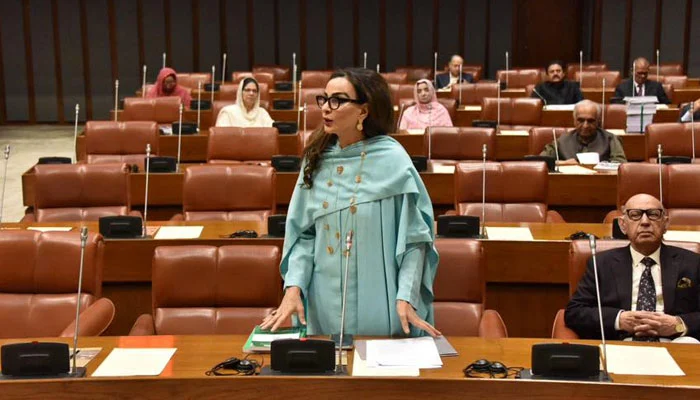

Senator Sherry Rehman has criticized the government’s reduced climate budget for fiscal year 2026-27. She called the funding cut “shocking” during a Senate Standing Committee meeting. Furthermore, she warned that Pakistan faces increasing environmental threats and worsening climate conditions.
The committee noted that the Climate Ministry’s Public Sector Development Programme allocation dropped significantly. Funding declined to Rs 2.478 billion from Rs 3.5 billion in the previous fiscal year. Rehman argued that climate risks continue rising despite shrinking financial commitments.
Climate Funding Falls Despite Growing Risks
Rehman highlighted intensifying heatwaves, faster glacier melting, irregular rainfall, and worsening water shortages. She also pointed to deteriorating environmental conditions in urban areas. Therefore, she stressed that monsoon preparedness must remain an immediate national priority.
The senator called for stronger coordination among institutions to tackle Pakistan’s growing climate challenges. However, she questioned the need for establishing a proposed Climate Authority. According to Rehman, the new body could duplicate existing responsibilities and increase financial burdens.
She also cited rising losses of state-owned enterprises. Official figures showed losses reached Rs 832.848 billion during fiscal year 2025. Meanwhile, cumulative losses have exceeded Rs 6.5 trillion, despite fresh budget allocations.
Monsoon Preparedness Takes Center Stage
The committee also received briefings from the National Disaster Management Authority and the Capital Development Authority. NDMA Chairman Inam Haider Malik warned that El Niño conditions could intensify extreme weather during 2026-27. Additionally, he said global and national temperatures remain well above historical averages.
Malik cautioned that critical climate thresholds are arriving earlier than previously expected. Rehman also raised concerns about glacier loss and its long-term impact on Pakistan’s water security. She questioned how future water reservoirs would remain sustainable as glaciers continue shrinking.

