
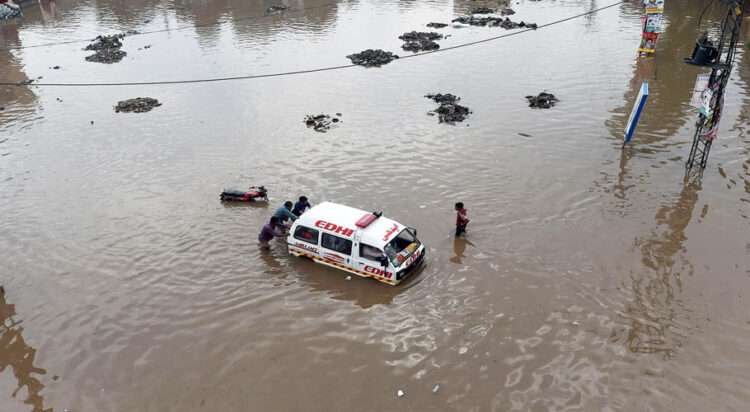

Rain-related incidents have killed 126 people and injured 404 others across Pakistan, according to the latest report. The casualties include a significant number of children, highlighting the severe impact of recent weather conditions. Khyber Pakhtunkhwa recorded the highest number of deaths during the period under review. Meanwhile, Punjab reported the largest number of injuries among the affected provinces.
KP Records Highest Death Toll
Khyber Pakhtunkhwa reported 55 deaths, including 26 children, according to the report. The province also recorded several rescue operations as authorities responded to weather-related emergencies.
Punjab recorded 47 fatalities, including 19 children. Furthermore, the province reported 295 injuries, including 68 children.
In Sindh, rain-related incidents killed five people and injured seven others. Two children were among those who died in the province.
Meanwhile, Balochistan reported eight deaths and 15 injuries during the period. The figures show that multiple provinces faced significant challenges due to adverse weather.
Relief Camps Provide Support
The National Disaster Management Authority (NDMA) said authorities established 75 relief camps across Punjab. These camps provide support to residents affected by rain-related incidents.
Additionally, authorities established 333 heatwave camps across the province. These facilities provided medical assistance to 2,203 people affected by extreme weather conditions.
The relief efforts aim to provide immediate assistance to vulnerable communities. Moreover, the camps allow authorities to monitor weather-related health risks and respond to emergencies.
Rescue Teams Continue Emergency Operations
Rescue teams also continued operations across several provinces during the past 24 hours. In Punjab, teams carried out four operations and safely evacuated nine people.
Meanwhile, rescue teams saved two people in Khyber Pakhtunkhwa. In Sindh, emergency workers rescued another five people during the same period.
Authorities continue monitoring affected areas as weather-related risks persist. Furthermore, rescue and relief teams remain prepared to respond to emergencies and assist communities facing dangerous conditions.
The latest figures underline the need for continued emergency preparedness across vulnerable areas. Stronger rescue operations and timely relief measures can help reduce the impact of severe weather on communities.

