
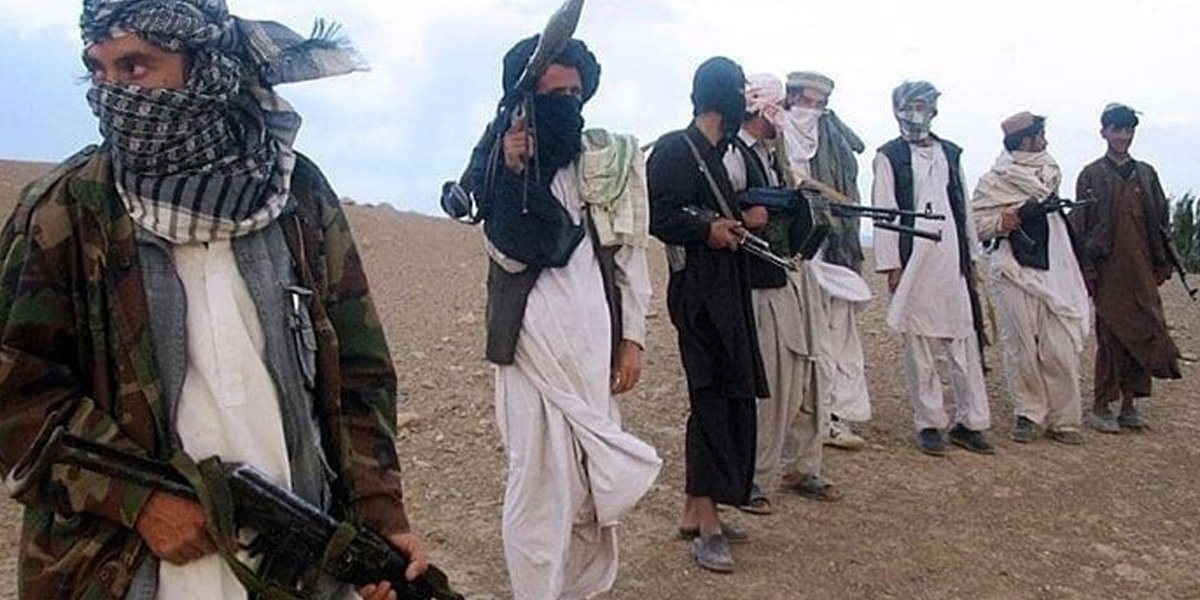

Security authorities have arrested a cleric accused of facilitating the banned group Fitna Al Khawarij. Officials said the suspect admitted issuing religious rulings used to justify extortion and other illegal activities.
According to sources, the arrest followed an investigation into alleged links with militant networks. Authorities are continuing inquiries into the case.
Suspect Admits Links With Militant Network
Officials identified the suspect as Mufti Zafaryab. During interrogation, he reportedly admitted maintaining close contacts with militant commander Hikmat Roshan.
He also stated that he had previously been associated with the Gul Bahadur Shura. Furthermore, he said security agencies were aware of his contacts.
According to his statement, he completed an eight-year Dars-e-Nizami course in Bannu. Later, he obtained a three-year specialization in Islamic jurisprudence.
The suspect claimed militant commanders frequently sought religious rulings. These rulings allegedly aimed to justify extortion and intimidate wealthy businessmen.
He further stated that militant figures offered financial incentives and positions. In return, they sought support for activities conducted in the name of jihad.
Officials Stress Need For Greater Oversight
Expressing regret, Zafaryab reportedly said he regretted his involvement. He also claimed that Fitna Al Khawarij had no connection with Islam.
According to officials, the investigation revealed a wider pattern. Militant networks allegedly use unregistered seminaries and self-styled clerics to obtain religious justifications.
Security experts said the findings highlighted the need for stricter oversight. They emphasized stronger monitoring of unregistered seminaries and unauthorized religious rulings.
Experts also referred to a 2019 agreement between religious seminaries and the government. However, they stressed that enforcement measures require further strengthening.
In addition, analysts called for stronger implementation of the National Action Plan. They also urged curriculum standardization and improved educational standards.
According to experts, these measures could help prevent extremism. They could also reduce the misuse of religion for militant purposes.

