
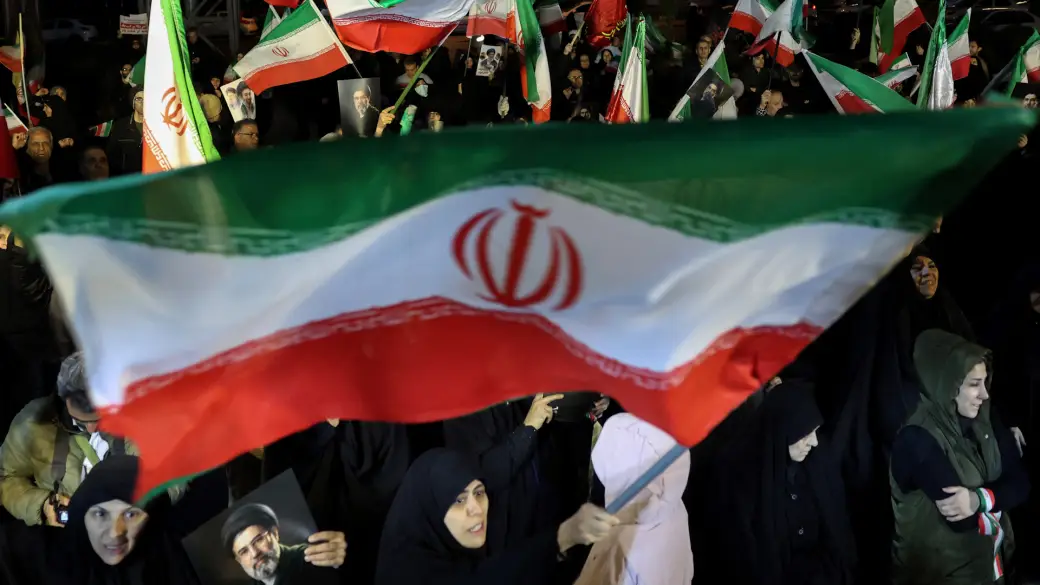

Iran is reviewing a fresh proposal from the United States aimed at ending tensions and preventing another major conflict in the Middle East. The development comes as President Donald Trump warned that diplomatic opportunities could disappear quickly if negotiations fail.
Trump described the current situation as being on the edge between a possible agreement and renewed military action. His remarks have increased global attention on the fragile diplomatic process involving Tehran, Washington, and regional powers.
The latest negotiations follow weeks of military threats, economic pressure, and rising fears of another large-scale regional conflict.
Trump Signals Final Stage of Negotiations With Iran
President Trump said talks with Iran were reaching a critical stage. Speaking to reporters near Washington, he stressed that Tehran must provide clear and acceptable responses to American demands.
Trump stated that a deal could be finalized within days if negotiations move forward positively. However, he warned that military options remain prepared if diplomacy collapses.
According to Trump, the United States expects “complete cooperation” from Iran regarding security concerns and regional stability. His statements reflected growing frustration within the US administration over delays in reaching a final agreement.
Iranian Foreign Ministry spokesperson Esmaeil Baqaei confirmed that Tehran had received the latest American proposal and was carefully reviewing its contents. He repeated Iran’s key demands, including the release of frozen financial assets and the removal of restrictions affecting Iranian ports and trade operations.
Iranian officials continue to argue that economic sanctions and trade blockades are harming the country’s economy and limiting diplomatic progress.
Iran Warns Against Fresh Military Action
Iranian leaders responded strongly to Trump’s warning of possible military strikes. Tehran accused Washington of attempting to restart conflict despite the April ceasefire agreement that temporarily ended direct fighting between Iran, the United States, and Israel.
Iran’s chief negotiator Mohammad Bagher Ghalibaf warned that any new military action would receive a powerful response. He accused foreign powers of maintaining hidden military objectives despite ongoing diplomatic talks.
Iran’s Revolutionary Guards also issued a sharp warning. Military officials claimed that any future conflict would expand beyond the Middle East and create wider international consequences.
The growing exchange of threats has raised concerns across global markets and diplomatic circles. Despite harsh statements from both sides, communication channels remain open through Pakistan-mediated diplomatic efforts.
Reports indicate that Pakistan’s interior minister arrived in Tehran for another round of discussions aimed at reducing tensions and securing a lasting agreement.
Saudi Arabia also encouraged diplomacy. Saudi Foreign Minister Prince Faisal bin Farhan praised efforts to avoid escalation and urged all parties to support peaceful negotiations.
Meanwhile, Israel’s military announced that its forces remain on maximum alert and are prepared for any sudden developments in the region.
Oil Markets and Global Economy Face Rising Pressure
The ongoing tensions continue to impact global energy markets and international trade routes. Investors remain concerned about instability around the Strait of Hormuz, one of the world’s most important shipping corridors for oil and natural gas.
Oil prices dropped slightly after Trump suggested progress in negotiations. However, prices remain significantly higher compared to pre-war levels due to uncertainty surrounding regional security.
The Strait of Hormuz normally carries nearly one-fifth of the world’s oil supply. Any disruption in the area creates immediate pressure on fuel prices and global trade systems.
Iranian naval forces stated that dozens of commercial vessels and oil tankers were allowed to pass safely through the strategic waterway during the past day under military coordination.
At the same time, the United States continues strict economic restrictions on Iranian shipping operations. US Central Command confirmed that American forces recently intercepted and searched an Iranian-flagged oil tanker in the Gulf of Oman before releasing it after inspection.
Experts warn that prolonged tensions could damage the global economy further. International organizations are already expressing concern about possible increases in fuel prices, food shortages, and fertilizer supply disruptions.
The United Nations Food and Agriculture Organization warned that extended instability in the Strait of Hormuz could trigger a serious global food price crisis and disrupt agricultural supply chains worldwide.
As negotiations continue, the world remains focused on whether diplomacy can prevent another dangerous conflict in the Middle East.

